Issue · Criminal Justice

Criminal Justice

Every criminal justice bill, vote, and legislator stance in Vermont, automatically classified by Maddy, our AI policy reader.

Total bills
148
2025-2026 Regular Session
Top supporter
Jed Lipsky
100% support rate
Top opponent
Tom Oliver
17% support rate
Ranked legislators
10
5 support · 5 oppose
Key legislators

Who's moving criminal justice in Vermont

Legislators moving criminal justice in Vermont
Legislator Party Stance Support rate Votes
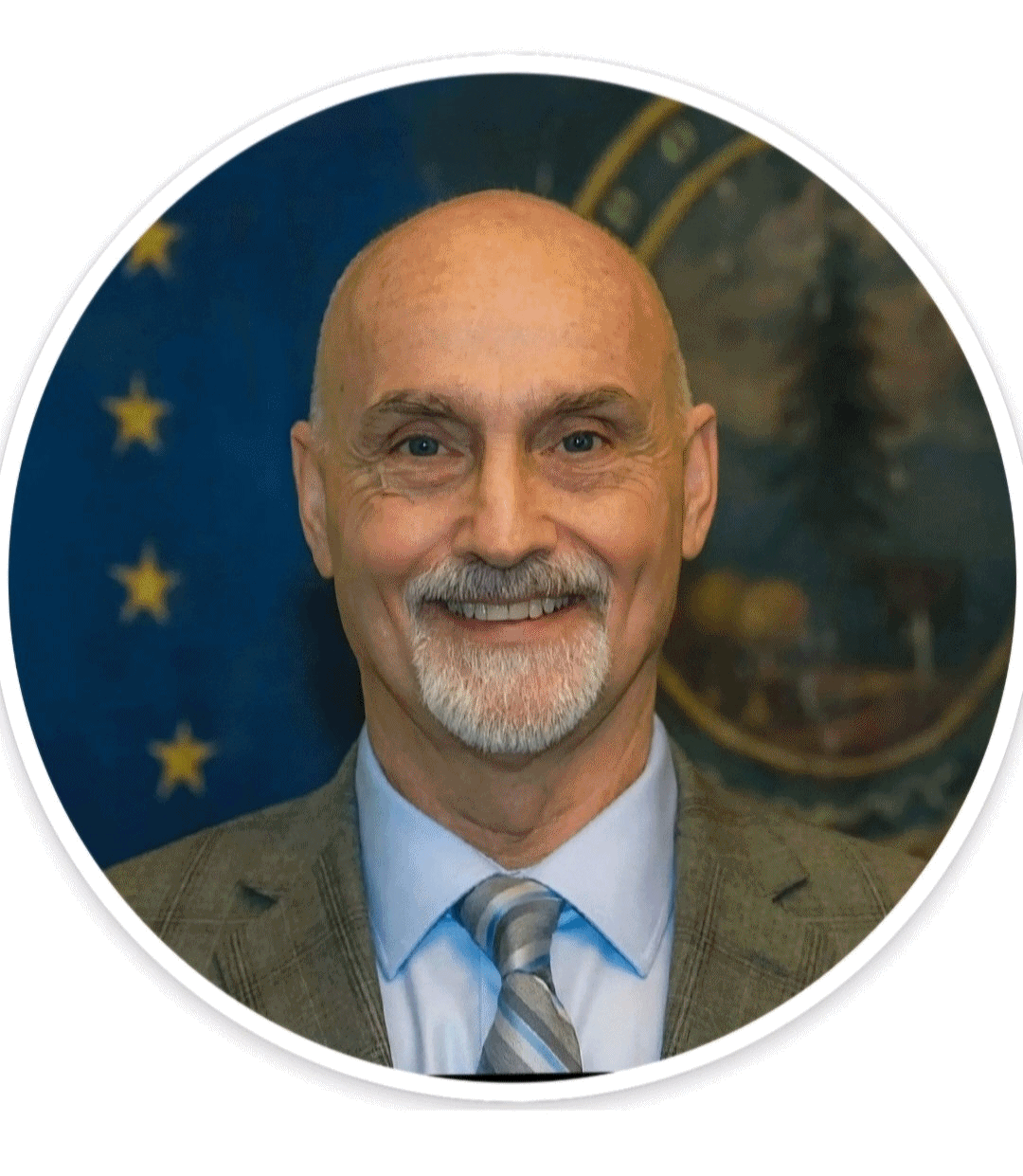
Jed Lipsky
Jed Lipsky House · District Lamoille-1
I
Strong +
100% 14
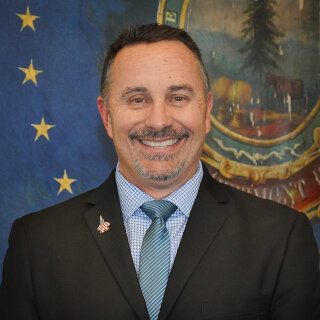
Ashley Bartley
Ashley Bartley House · District Franklin-1
R
Strong +
100% 15
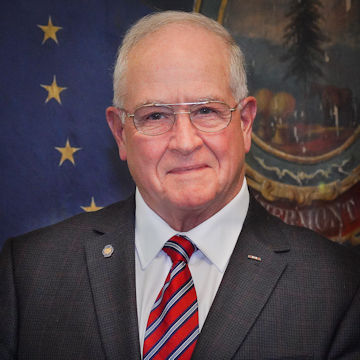
Tony Micklus
Tony Micklus House · District Chittenden-Franklin
R
Strong +
89% 15
Leland Morgan
Leland Morgan House · District Grand Isle-Chittenden
R
Strong +
89% 16
Mike Morgan
Mike Morgan House · District Grand Isle-Chittenden
R
Strong +
88% 15
Tom Oliver
Tom Oliver House · District Franklin-4
R
Strong −
17% 13
Russ Ingalls
Russ Ingalls Senate · District Essex
R
Oppose
22% 13
Terry Williams
Terry Williams Senate · District Rutland
R
Oppose
22% 13
Steven Heffernan
Steven Heffernan Senate · District Addison
R
Oppose
22% 12
Zak Harvey
Zak Harvey House · District Rutland-3
R
Oppose
29% 14
Showing 91–100 of 148 bills

All criminal justice bills

introduced · Vermont · House Feb 26, 2025

H 395: An act relating to creating the Municipal Law Enforcement Assistance Program

H 395 creates a Municipal Law Enforcement Assistance Program allowing Vermont towns and cities to vote to add a $75 surcharge on civil penalties collected by the Judicial Bureau for violations occurring within their borders. Municipalities must first approve the surcharge via voter vote, and the Judicial Bureau would collect the surcharge (keeping $5 for administration) and remit the rest quarterly to the municipality. Funds received must be used exclusively for local law enforcement services like staffing, equipment, or training. The bill requires municipalities to notify the Judicial Bureau within 10 days of approval, with the program effective July 1, 2025, pending committee review and passage. This applies only to communities choosing to adopt the surcharge.
Sub-Topics Law Enforcement
introduced · Vermont · House Feb 14, 2025

H 223: An act relating to stalking through the use of tracking technology

This bill (H 223) clarifies that using tracking technology without consent to follow someone’s movements - such as via GPS in a vehicle - counts as stalking under Vermont law. It prohibits installing or using tracking devices in vehicles without the operator’s and all occupants’ consent, with limited exceptions for law enforcement, parents monitoring minors, and vehicle dealers. The bill also allows courts to grant abuse survivors temporary vehicle possession for safety and creates a process for survivors to quickly disable an abuser’s access to a vehicle’s connected tracking services, even if the abuser owns the account. It directly affects domestic violence survivors, victims of stalking, and individuals using vehicles in abusive situations.
signed · Vermont · House Jun 3, 2025

H 44: An act relating to miscellaneous amendments to the laws governing impaired driving

This bill updates Vermont's impaired driving laws to clarify penalties and procedures. It sets a 0.04% blood alcohol concentration (BAC) limit for commercial drivers (down from 0.08%), increases penalties for repeat offenses with BAC of 0.16% or higher, and requires the Family Division court to forward motor vehicle conviction records to the Motor Vehicle Commissioner. The bill directly affects drivers charged with impaired driving, particularly commercial drivers, and streamlines how courts handle these cases by specifying jurisdiction and evidence standards. It also adds that evidence from standardized field sobriety tests is presumptively admissible in court.
Sub-Topics Courts
introduced · Vermont · House Feb 20, 2025

H 298: An act relating to restricting the Department of Corrections’ cooperation with federal immigration authorities

This bill restricts Vermont's Department of Corrections (DOC) from cooperating with federal immigration authorities. It prohibits DOC staff from contacting federal agencies about an individual's immigration status, prolonging detention to investigate status, or accepting requests for immigration enforcement support. The DOC must terminate existing agreements with federal immigration authorities within 30 days and submit annual reports to legislative committees detailing any federal requests for assistance. Additionally, the DOC must create staff training protocols and penalties for noncompliance with these restrictions.
introduced · Vermont · Senate Apr 4, 2025

S 144: An act relating to secondary enforcement of certain motor vehicle violations

S.144 (An act relating to secondary enforcement of certain motor vehicle violations) prohibits police from stopping drivers solely for minor traffic violations like expired registration stickers, unobstructed license plates, or minor equipment issues (such as a single broken taillight). It requires officers to have already detained a driver for a different, more serious violation before enforcing these specific minor offenses. The bill also bans officers from asking for consent to search a vehicle or questioning drivers about unrelated matters after a traffic stop, except when detecting evidence of another crime. This takes effect July 1, 2025, and applies to all Vermont law enforcement.
introduced · Vermont · House Feb 18, 2025

H 251: An act relating to establishing a competency restoration process

H 251 establishes a legal process to help criminal defendants found incompetent to stand trial regain competency through mental health treatment. The bill requires courts to provide structured treatment services for defendants unable to understand trial proceedings due to mental health conditions, while including community safety safeguards. It directly affects Vermont defendants in criminal cases who are deemed incompetent to stand trial. The process aims to restore competency for fair trials or appropriate resolution, with specific court procedures outlined in the bill.
Sub-Topics Courts Mental Health
introduced · Vermont · House Feb 25, 2025

H 331: An act relating to a victim’s right to be heard at an appeal or postconviction remedy hearing

This bill requires Vermont prosecutors to inform victims of certain crimes when a defendant appeals or seeks postconviction relief, explaining the process and providing hearing details. It mandates that courts at these hearings ask victims if they wish to speak about the case and consider their statements. Victims who cannot attend must have their written or oral views considered by the court. The law applies to victims of specified crimes and takes effect July 1, 2025. This changes how victims participate in legal proceedings after a conviction.
Sub-Topics Courts Victims' Rights
died · Vermont · Senate Feb 25, 2025

S 54: An act relating to voluntary engagement in sex work

S 54 would repeal Vermont’s laws criminalizing consensual sex work between adults and "indiscriminate sexual intercourse" for hire, while maintaining felony penalties for human trafficking. It directly affects adult sex workers who engage voluntarily, removing criminal penalties for their work. The bill replaces outdated laws (dating to the early 1900s) with a focus on protecting those compelled into sex work through force, fraud, or coercion. The legislation cites research showing criminalization increases health risks and safety threats for sex workers, aligning with a 2018 Johns Hopkins study on the harms of sex work laws.
Sub-Topics Human Trafficking
vetoed · Vermont · House May 20, 2025

H 219: An act relating to establishing the Department of Corrections’ Family Support Program

H 219 establishes the Department of Corrections’ Family Support Program, providing free parenting and trauma-informed family support services to all incarcerated individuals who are parents or guardians. The program aims to increase parents' knowledge and skills, offer resources for communicating with their children and caregivers, and create child-friendly visitation spaces. It also includes outreach for children's services and reentry support for parents. The bill directs the Department to include funding for these services in its annual budget, with initial implementation at the Chittenden Regional and Northern State Correctional Facilities and an intent to expand statewide by 2028, contingent on appropriated funds.
introduced · Vermont · House Feb 11, 2025

H 190: An act relating to voluntary engagement in sex work

H.190 repeals Vermont's century-old laws that criminalized consensual sex work between adults and "indiscriminate sexual intercourse," while maintaining strict felony penalties for human trafficking involving force, fraud, or coercion. The bill directly affects adult sex workers engaging in voluntary, consensual transactions by removing criminal penalties for their work. Key provisions include repealing Chapter 59 of Vermont law (prostitution statutes) and preserving existing trafficking laws under 13 V.S.A. chapter 60, which define coercion broadly to include debt bondage, threats, and exploitation of immigration documents. This policy change aims to reduce health and safety risks for sex workers by ending criminalization, based on evidence linking such laws to increased violence and reduced access to healthcare.
Sub-Topics Human Trafficking
Showing 91 to 100 of 148 bills
Previous 1 9 10 11 15 Next