

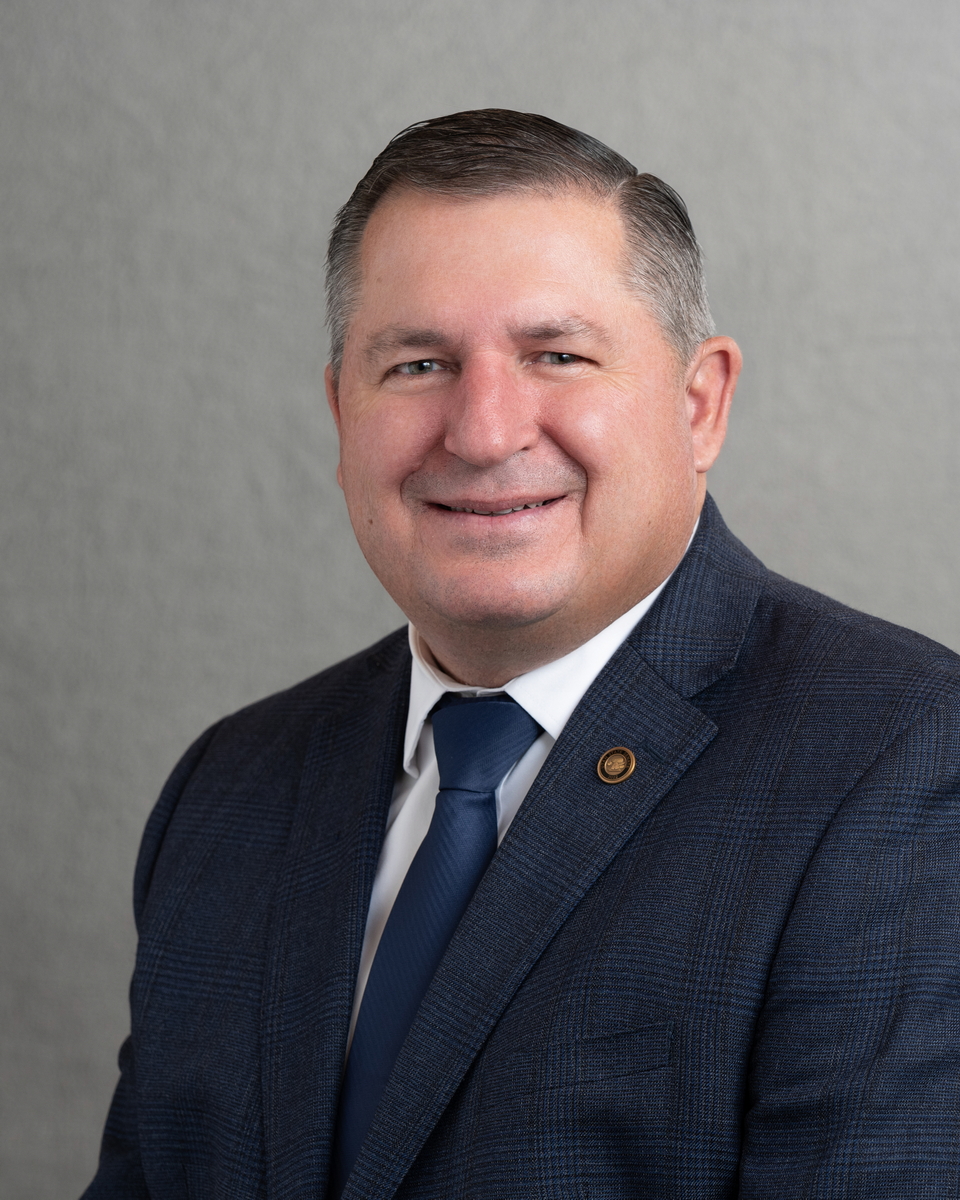
Photo of Derrin Owens
R Utah Senate · District 27

Sen. Derrin Owens

Compare
Total votes
5,658
all sessions
Attendance
94%
63 missed
Near the chamber average
With party
97%
of cast votes
Lower than 80% of chamber peers
Bipartisan score
2%
crosses aisle rarely
Near the chamber average
Sponsored
146
bills & resolutions
Near the chamber average
Committees
10
assignments
146 bills and resolutions

Sponsored bills

Total
146
Primary
54
Co-sponsor
92
This page
146
matching current filters
Co-sponsor HB 342
Signed into law · Utah House · Co-sponsor
Animal Composting Amendments

Maddy summaryThis bill amends Utah's waste management law to exclude specific farm and ranch operations from being classified as commercial waste facilities. It removes farms that compost animal mortality or offal waste from their own operations (e.g., dead animals or byproducts from processing) from the definition of "commercial nonhazardous solid waste facility." The change applies only to operations composting waste generated from animals they process themselves, not to general composting services. This clarifies that such farm-based composting activities are not subject to commercial facility regulations, without creating new requirements or costs.

Signed into law Mar 24, 2025 1 co-sponsor
Primary SB 30
Signed into law · Utah Senate · Lead sponsor
Forest Fire Resources Compact Amendments

Maddy summarySB 30 enacts Utah’s participation in the Great Plains Interstate Fire Compact, directly affecting Utah’s state forester and cooperating states like Colorado, Wyoming, North Dakota, and South Dakota. The bill establishes a framework for reciprocal aid during forest fires, allowing states to request and provide firefighting resources across borders. Key provisions include requiring states to reimburse requesting states for equipment costs, clarifying that aiding states’ employees have equivalent authority (except arrest powers), and shielding them from liability for acts during mutual aid. It also mandates that member states coordinate fire prevention and control through designated administrators. The compact becomes effective once two or more states ratify it, creating a formalized regional response system for forest fires.

Signed into law Mar 24, 2025 0 co-sponsors
Co-sponsor HB 411
Signed into law · Utah House · Co-sponsor
Public Asset Ownership Amendments

Maddy summaryHB 411 clarifies state ownership and reporting requirements for "environmental commodities," which represent financial value from greenhouse gas reductions (like carbon credits). It requires state entities to report digital IDs and state funds used when selling these commodities, except for those created on school/institutional trust lands. If state funds created a commodity, the state owns a proportional share, and the state treasurer must manage these assets to benefit Utah citizens, promote energy independence, and maximize resources. The bill takes effect May 7, 2025, with no new funding required.

Signed into law Mar 24, 2025 1 co-sponsor
Co-sponsor HB 439
Signed into law · Utah House · Co-sponsor
Outdoor Recreation Revisions

Maddy summaryHB 439 revises Utah's Off-highway Vehicle Account rules to clarify definitions and expand grant opportunities. It defines "off-highway vehicle facility" (including trails, storage, and infrastructure) and allows the Division of Outdoor Recreation to provide upfront cash grants from the account to counties of the third through sixth class for projects improving off-highway vehicle access. The bill makes technical updates to existing code without appropriating new funds, focusing on how existing account money can be used for facility construction, maintenance, and user education. This directly affects smaller counties seeking funding for off-highway vehicle infrastructure projects.

Signed into law Mar 24, 2025 1 co-sponsor
Co-sponsor HB 501
Signed into law · Utah House · Co-sponsor
Law Enforcement Salary Amendments

Maddy summaryHB 501 requires Utah's Division of Human Resource Management to collaborate with the Division of Law Enforcement and Division of Forestry, Fire, and State Lands to create specialized pay plans for DNR peace officers and wildland firefighters. The bill mandates that salary surveys for these roles must include all comparable positions across state law enforcement agencies. It also specifies that pay plans must define minimum qualifications, training requirements, performance standards, and promotion criteria for these roles. The bill makes technical updates to existing pay plan laws but does not appropriate new funding.

Signed into law Mar 24, 2025 1 co-sponsor
Co-sponsor HB 490
Signed into law · Utah House · Co-sponsor
State Parks Modifications

Maddy summaryHB 490 modifies Utah's state parks management by removing the requirement for the Division of State Parks to follow the Utah Procurement Code when selecting concessionaires. It directs the division to operate primarily using fees and charges collected from park visitors, mandates a long-term use plan, and renames the State Parks Restricted Account. The bill also repeals outdated provisions related to boating accounts and river grants, while making technical updates to park-related statutes. No new state funds are appropriated for these changes, shifting operational responsibility toward revenue generated by park users.

Signed into law Mar 24, 2025 1 co-sponsor
Primary SB 234
Signed into law · Utah Senate · Lead sponsor
Severance Amendments

Maddy summarySB 234 modifies Utah's severance tax rules for oil, gas, and mineral extraction, primarily affecting mining and exploration companies subject to severance taxes. It repeals and reenacts the mining exploration tax credit process, requiring new agreements and post-performance certificates, while allowing taxpayers to claim the high-cost infrastructure tax credit against severance tax liability (not income tax) for costs incurred in 2024, applicable to the 2025 tax year. The bill also reorganizes tax credit provisions into a new section and adds a requirement for legislative review before repealing certain credits. These changes apply retroactively to 2024 costs and affect entities engaged in eligible mineral exploration activities under Utah Code.

Signed into law Mar 24, 2025 0 co-sponsors
Co-sponsor HB 252
Signed into law · Utah House · Co-sponsor
State Custody Amendments

Maddy summaryHB 252 amends Utah laws governing medical care for individuals in state custody, directly affecting inmates in county jails and correctional facilities. It prohibits sheriffs from initiating cross-sex hormone treatments or specific gender-affirming surgeries (like hysterectomies or orchiectomies) for inmates, while allowing psychotherapy for gender dysphoria. The bill defines key terms like "cross-sex hormone treatment" and "primary sex characteristic surgical procedure" to clarify these restrictions. It also updates provisions related to contraception access, medication-assisted treatment, and housing standards for youth detention facilities. The law makes no new funding commitments and applies to all individuals held in state custody under the Department of Corrections or county jails.

Signed into law Mar 20, 2025 1 co-sponsor
Co-sponsor HB 138
Signed into law · Utah House · Co-sponsor
Food Labeling Amendments

Maddy summaryHB 138 requires clear labeling on food products containing cultivated meat (lab-grown meat from animal cells) or plant/insect-based meat substitutes. It directly affects food producers and retailers selling these products by mandating specific labels and requiring them to notify authorities, undergo inspections, and pay related fees. The bill defines key terms like "cultivated meat product" and updates Utah's food labeling laws to cover these newer food types, without appropriating new state funds. This policy change ensures consumers can identify these products at point of sale, aligning with existing federal meat inspection frameworks.

Signed into law Mar 20, 2025 1 co-sponsor
Co-sponsor HB 47
Signed into law · Utah House · Co-sponsor
Public Lands Watering Rights Amendments

Maddy summaryHB 47 amends Utah law to modify how livestock watering rights are managed on public lands. It removes the requirement for livestock operators to obtain "livestock water use certificates" by deleting related language from the code, directly affecting ranchers and livestock permit holders using public grazing lands. The bill updates definitions (like "beneficial user" and "public land") and clarifies procedures when federal agencies reduce grazing permits. Key changes include amending Sections 73-2-14 and 73-3-31 to eliminate processing for water use certificates and streamline administrative steps. This focuses on simplifying water rights administration for livestock operations without altering water allocation or funding.

Signed into law Mar 20, 2025 1 co-sponsor
Showing 41 to 50 of 146 bills
Previous 1 4 5 6 15 Next