

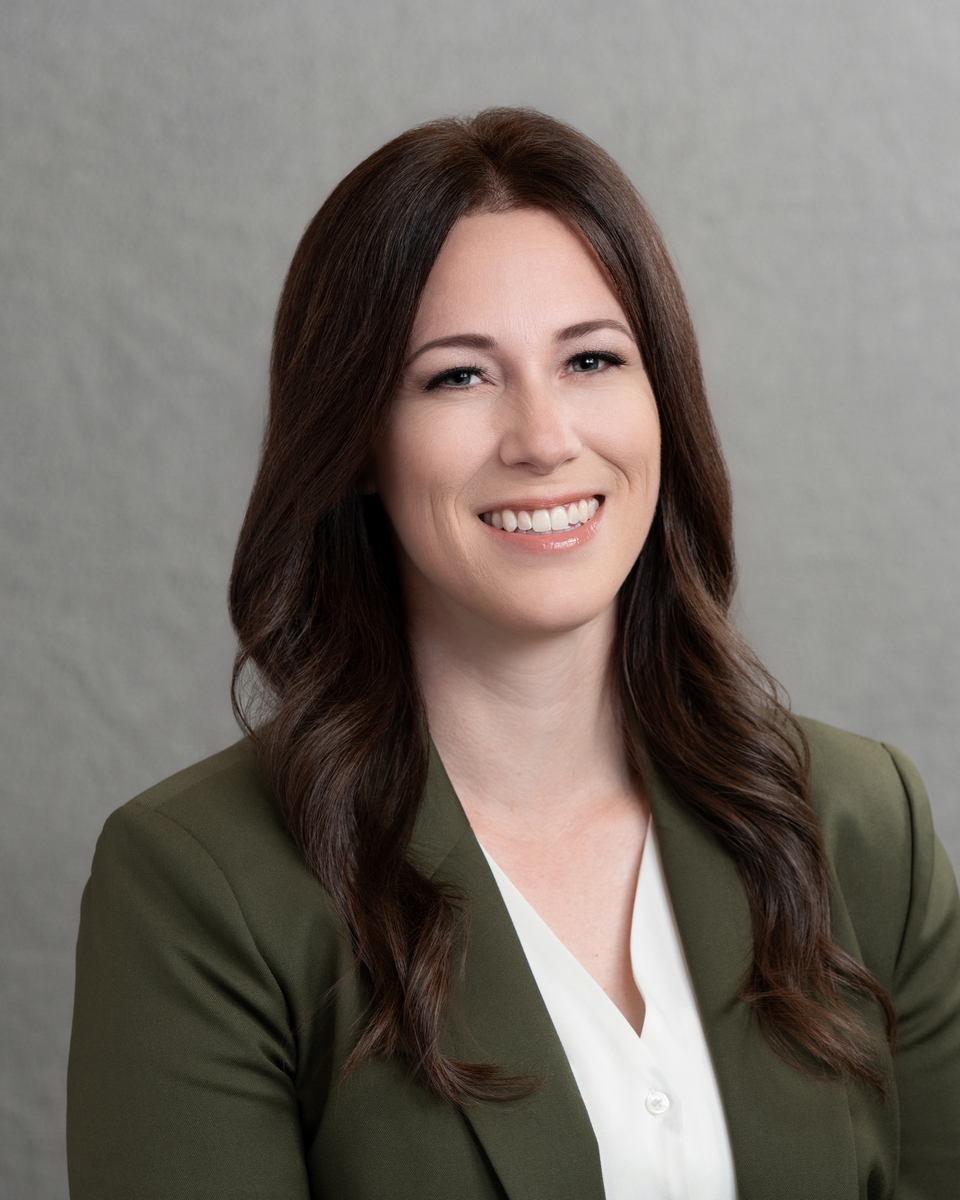
Photo of Stephanie Pitcher
D Utah Senate · District 14 On the 2026 ballot

Sen. Stephanie Pitcher

Compare
Total votes
5,342
all sessions
Attendance
90%
246 missed
Near the chamber average
With party
98%
of cast votes
Higher than 89% of chamber peers
Bipartisan score
2%
crosses aisle rarely
Near the chamber average
Sponsored
142
bills & resolutions
Near the chamber average
Committees
8
assignments
142 bills and resolutions

Sponsored bills

Total
142
Primary
85
Co-sponsor
57
This page
142
matching current filters
Primary SB 11
Passed · Utah Senate · Lead sponsor
Property Rights Ombudsman Act Amendments

Maddy summarySB 11 extends the repeal date for the Land Use and Eminent Domain Advisory Board from July 1, 2026, to July 1, 2036, and requires legislative review before the board's authority ends. This directly affects the advisory board, which provides guidance on land use and eminent domain issues in Utah. The bill modifies Utah Code Section 63I-1-213 to delay the board's termination and adds a requirement for lawmakers to review the board's future before its repeal. The change does not alter other existing repeal dates or create new programs.

Passed Mar 7, 2026 0 co-sponsors
Primary SB 24
Passed · Utah Senate · Lead sponsor
Health Care Providers Immunity Amendments

Maddy summarySB 24 repeals multiple healthcare-related laws and licensing acts in Utah by setting specific effective dates for their termination. Key provisions include repealing the Health Care Providers Immunity from Liability Act (effective July 1, 2036), massage therapy licensing laws (2029-2034), behavioral health treatment regulations (2027), and opioid supply restrictions (2032), among others. These changes directly affect healthcare providers, clinics, and licensed professionals operating under the repealed statutes. The bill takes effect May 6, 2026, with all repealed provisions ceasing to apply on their respective dates. No new funding is appropriated, and the changes eliminate existing legal protections or requirements for covered healthcare services.

Passed Mar 7, 2026 0 co-sponsors
Co-sponsor HB 86
Passed · Utah House · Co-sponsor
Restricted Person Amendments

Maddy summaryHB 86 expands Utah's definition of "restricted persons" who cannot possess dangerous weapons. It adds two key categories: people found not guilty by reason of insanity for *any* criminal offense (not just felonies) and those found mentally incompetent to stand trial for *any* criminal offense (not just felonies). These changes directly affect individuals with specific mental health findings in criminal cases, broadening existing restrictions. The bill amends Utah Code Section 76-11-303 to include these provisions without new funding.

Passed Mar 7, 2026 1 co-sponsor
Co-sponsor HR 2
Passed · Utah House · Co-sponsor
House Rules Resolution - Standing Committee Duties

Maddy summaryThis bill modifies House committee procedures for reviewing legislation that would regulate new occupations. Specifically, it requires standing committees to verify whether the Office of Professional Licensure Review conducted a "sunrise review" (a pre-implementation analysis) before considering such bills. The resolution also clarifies definitions related to regulated occupations and makes minor technical updates to existing committee rules. It does not appropriate funds or directly affect specific individuals or businesses, but changes how committees process certain licensing-related legislation. The bill passed the House with no opposition.

Passed Jan 30, 2026 1 co-sponsor
Co-sponsor HB 154
Signed into law · Utah House · Co-sponsor
Punitive Damages Amendments

Maddy summaryHB 154 modifies Utah's punitive damages rules for DUI cases, requiring the state's share of certain punitive damages to fund victim services. Specifically, it directs that after May 7, 2025, the state's portion (50% of punitive damages exceeding $50,000) from DUI-related judgments must be deposited into the Victims Services Restricted Account. This applies only to cases involving driving under the influence, not general punitive damages. Funds will support victim services like domestic violence programs and Children's Justice Centers. The bill does not change punitive damages standards but redirects existing state funds to victim assistance.

Signed into law Mar 26, 2025 1 co-sponsor
Primary SB 286
Signed into law · Utah Senate · Lead sponsor
Criminal Plea Withdrawal Amendments

Maddy summarySB 286 amends Utah’s criminal plea withdrawal rules to clarify when defendants can withdraw guilty or no contest pleas. It requires defendants to file a motion following Utah Rules of Criminal Procedure Rule 11 (replacing outdated timing rules for pleas held in abeyance). The bill directly affects defendants seeking to retract their pleas before sentencing, ensuring all requests follow standardized court procedures. Key changes remove prior exceptions for pleas in abeyance and align withdrawal motions with existing criminal procedure rules. The bill takes effect May 7, 2025, with no funding impact.

Signed into law Mar 26, 2025 0 co-sponsors
Primary SB 123
Signed into law · Utah Senate · Lead sponsor
Criminal Protective Order Amendments

Maddy summarySB 123 requires courts issuing pretrial protective orders in domestic violence cases to include specific provisions protecting victims' utility services at their residence. The bill mandates that orders either prohibit the alleged perpetrator from terminating utilities for 60 days or require them to restore services if already cut off. This directly affects domestic violence victims and their residences by preventing utility disruption as a form of coercion. The law makes technical updates to Utah Code Section 78B-7-803 without changing who pays utility costs, focusing solely on ensuring service continuity during protective orders.

Signed into law Mar 26, 2025 0 co-sponsors
Primary SB 180
Signed into law · Utah Senate · Lead sponsor
Law Enforcement Usage of Artificial Intelligence

Maddy summarySB 180 requires Utah law enforcement agencies to create policies governing the use of generative artificial intelligence (AI) by officers. It mandates that any police report or record partially or fully generated by AI must include a clear disclaimer and a certification from the author confirming they reviewed it for accuracy. The bill defines key terms like "generative AI" and specifies that policies must outline permitted uses, training for staff, and consequences for policy violations. These requirements aim to increase transparency and accountability when AI tools are used in official law enforcement documentation.

Signed into law Mar 26, 2025 0 co-sponsors
Primary SB 157
Signed into law · Utah Senate · Lead sponsor
Nonjudicial Adjustment Amendments

Maddy summarySB 157 requires minors to receive legal advice before declining a nonjudicial adjustment agreement in legal proceedings. It mandates the Office of Indigent Defense Services to provide free legal counsel to minors considering such agreements and directs the Indigent Defense Commission to develop resources for minors to access this advice. The bill modifies Utah law to prohibit minors from waiving legal representation without first consulting counsel, with specific notice requirements before declining agreements. No new funding is appropriated for these changes, and the law directly affects minors in juvenile or delinquency cases involving nonjudicial adjustments.

Signed into law Mar 26, 2025 0 co-sponsors
Primary SB 87
Signed into law · Utah Senate · Lead sponsor
DUI Sentencing Modifications

Maddy summarySB 87 clarifies that veterans treatment court programs qualify as "problem-solving courts" that allow courts to shorten or suspend license suspensions for DUI offenders. The bill modifies Utah Code § 41-6a-509 to explicitly include veterans treatment programs in this category, meaning veterans who complete such programs may avoid full license suspension periods after a DUI conviction. It makes minor technical adjustments to align existing license suspension rules with this clarification but does not change the core suspension periods or add new funding. This directly affects DUI offenders, particularly veterans participating in treatment court programs, by providing a pathway to reduce license restrictions. The bill focuses on procedural clarity without altering sentencing thresholds or penalties.

Signed into law Mar 26, 2025 0 co-sponsors
Showing 31 to 40 of 142 bills
Previous 1 3 4 5 15 Next