

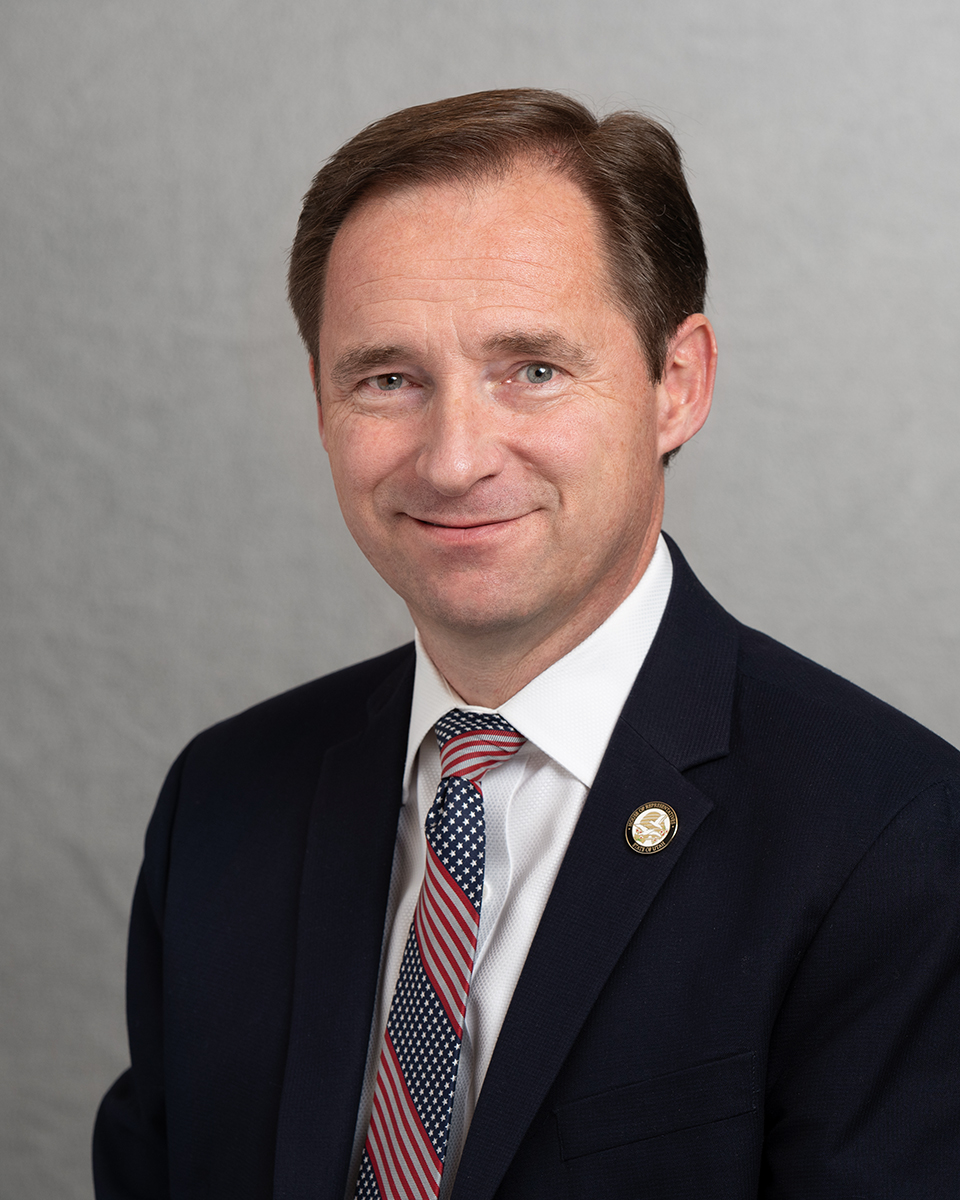
Photo of Steve Eliason
R Utah House · District 43 On the 2026 ballot

Rep. Steve Eliason

Compare
Total votes
4,509
all sessions
Attendance
97%
106 missed
Higher than 84% of chamber peers
With party
96%
of cast votes
Near the chamber average
Bipartisan score
3%
crosses aisle rarely
Near the chamber average
Sponsored
198
bills & resolutions
Higher than 93% of chamber peers
Committees
6
assignments
198 bills and resolutions

Sponsored bills

Total
198
Primary
101
Co-sponsor
97
This page
198
matching current filters
Primary HB 596
Failed · Utah House · Lead sponsor
Homelessness Amendments

Maddy summaryHB 596 revises definitions and organizational structures related to Utah's homelessness services. It creates the Mitigation Fund Task Force and reorganizes advisory boards (renaming "Shelter Cities Advisory Board" to "Shelter Cities Coordinating Council" and similarly for counties). The bill establishes a Homeless Services Restricted Account to assist counties with homelessness programs and allows funds from leased property to cover operational costs. It makes no new funding appropriations but clarifies how existing resources can be used for homelessness services, primarily affecting counties, homeless service providers, and local governments managing shelters.

Failed Mar 7, 2026 0 co-sponsors
Primary HCR 5
Passed · Utah House · Lead sponsor
House Concurrent Resolution on State Management of Federal Public Lands

Maddy summaryThis House Concurrent Resolution (HCR 5) is a non-binding statement urging Utah to seek greater management authority over certain federal public lands for recreation. It specifically requests that Utah's state parks division petition the Bureau of Land Management to transfer the Little Sahara Recreation Area for a new state park and negotiate with the Forest Service to acquire Antelope Flat Campground for Flaming Gorge State Park. The resolution also directs the state parks division to study additional areas like Monte Cristo and trust lands in the San Rafael Swell for potential state park designation. It does not appropriate funds or create new legal requirements, but instead asks federal agencies and Utah's congressional delegation to explore cooperative management frameworks.

Passed Mar 7, 2026 0 co-sponsors
Co-sponsor SB 115
Failed · Utah Senate · Co-sponsor
Child and Animal Abuse Cross-reporting Amendments

Maddy summarySB 115 requires Utah courts to send quarterly reports of specific animal cruelty convictions (including dog fighting, animal torture, or service animal harm) to the Division of Child and Family Services. The reports must include offender details like name, address, and offense type, but explicitly prohibit using these reports to investigate child abuse cases solely based on animal cruelty convictions. This bill creates a reporting mechanism between courts and child welfare agencies for certain animal abuse cases, with no new funding or penalties. It would take effect on May 6, 2026, if passed.

Failed Mar 7, 2026 1 co-sponsor
Co-sponsor SB 157
Passed · Utah Senate · Co-sponsor
New Motorboat Distributor Act

Maddy summarySB 157, the New Motorboat Distributor Act, regulates relationships between motorboat distributors and dealerships in Utah. It directly affects dealerships by prohibiting distributors from using unfair practices, requiring good cause and advance notice for termination, and mandating distributors to reimburse dealers for warranty work at retail rates. The bill also requires distributors to buy back unsold inventory if a dealership agreement ends, protect dealers' rights to transfer ownership, and provide detailed warranty policies. It replaces the previous Motorboat Agreements Act and empowers the Department of Commerce to enforce these rules with administrative fines up to $5,000 per day for violations.

Passed Mar 7, 2026 1 co-sponsor
Co-sponsor SB 104
Passed · Utah Senate · Co-sponsor
School Medication Amendments

Maddy summarySB 104 organizes and consolidates existing Utah school medication rules into a single, clearer section of law. It defines key terms like "anaphylaxis," "qualified adult," and "epinephrine nasal spray" to standardize how schools handle student health emergencies. The bill makes technical updates by repealing outdated sections and renumbering related laws, but does not create new requirements or allocate funding. This affects public and private schools, school staff, and healthcare providers who administer medication during school hours. The changes streamline existing procedures without altering current medication access policies.

Passed Mar 7, 2026 1 co-sponsor
Primary HB 421
Introduced · Utah House · Lead sponsor
Hit and Run Amendments

Maddy summaryHB 421, the "Hit and Run Amendments," increases penalties for drivers who leave the scene of an accident involving property damage or injury. It specifically targets repeat offenders - those previously convicted of the same hit-and-run offense or driving under the influence (DUI) - by imposing harsher punishments. The bill amends Utah's traffic code (sections 41-6a-401, 41-6a-401.3, and others) to clarify definitions, strengthen penalties, and add a new provision (41-6a-401.8) while repealing outdated language. This directly affects drivers convicted of hit-and-run incidents with prior related offenses, making penalties more severe for those with prior violations. The bill contains no new funding requirements or technical changes beyond the penalty adjustments.

Introduced Mar 7, 2026 0 co-sponsors
Primary HB 28
Passed · Utah House · Lead sponsor
Health and Human Services Sunset Amendments

Maddy summaryHB 28 extends the expiration dates for several health-related programs and committees under Utah's Department of Health and Human Services. It specifically delays the sunset (repeal) of programs like the Rare Disease Advisory Council Grant Program, Newborn Hearing Screening Committee, Mobile Crisis Outreach Team Grant Program, and Behavioral Health Receiving Center Grant Program, pushing their expiration dates from 2026 to 2036 or later. The bill amends Utah Code sections to adjust these repeal deadlines without creating new programs or appropriating funds. These changes directly affect the ongoing operation of these advisory bodies and grant initiatives, allowing them to continue functioning past their original expiration dates.

Passed Mar 7, 2026 0 co-sponsors
Primary HB 70
Passed · Utah House · Lead sponsor
Correctional Health Services Amendments

Maddy summaryHB 70 requires Utah's Department of Health and Human Services to implement a new electronic health record system for inmate care by 2026, based on a working group's recommendations. It makes funds for unexpected high-cost correctional health care non-lapsing (meaning they won't expire if unused), and mandates a treatment plan for all inmates with substance use disorders, including medication-based treatment. The bill also sets accreditation standards for correctional health facilities and allows parole boards to consider health examiner reports when deciding parole conditions. These changes directly affect inmates in Utah's correctional facilities, the Department of Health and Human Services, and the Department of Corrections.

Passed Mar 7, 2026 0 co-sponsors
Co-sponsor SB 1004
Signed into law · Utah Senate · Co-sponsor
Revisor's Technical Corrections to Utah Code

Maddy summarySB 1004 makes technical corrections to the Utah Code to fix errors and inconsistencies in the law. It eliminates outdated references, removes redundant language, updates cross-references, and corrects numbering issues across multiple code sections. The bill does not change any substantive laws or create new requirements; it only ensures the code is accurate and properly organized. This type of "revisor's bill" affects the legal text itself, not specific people or programs. It was signed into law on October 14, 2025, with no funding impact.

Signed into law Oct 14, 2025 1 co-sponsor
Co-sponsor SB 317
Signed into law · Utah Senate · Co-sponsor
Dietitian Licensing Amendments

Maddy summarySB 317 establishes Utah's participation in the Dietitian Licensure Compact, allowing licensed dietitians to practice across participating states without obtaining separate licenses. The bill creates uniform requirements for interstate practice, includes provisions for military members and their spouses to retain licenses during active duty, and establishes a governing commission to manage the compact. It also clarifies that states must uphold accountability for dietitians practicing in their jurisdiction and ensures the compact supersedes conflicting state laws. This affects licensed dietitians seeking multi-state practice and participating states, reducing administrative barriers while maintaining regulatory authority. The bill adds no new funding and enacts specific Utah Code sections to implement the compact.

Signed into law Mar 27, 2025 1 co-sponsor
Showing 21 to 30 of 198 bills
Previous 1 2 3 4 20 Next