

Maddy summarySB 311 requires the Huntsman Mental Health Institute to develop a multilingual SafeUT software application (including Spanish) to support a 24/7 crisis line for school safety. The SafeUT Crisis Line enables anonymous reporting of incidents like bullying, violence, or abuse in schools, while providing crisis intervention for emotional distress. The bill establishes a commission with representatives from state agencies, education, and the public to oversee the program. The application will be accessible to students, parents, and school staff to report concerns and access support, with no funding appropriated and effective May 6, 2026.
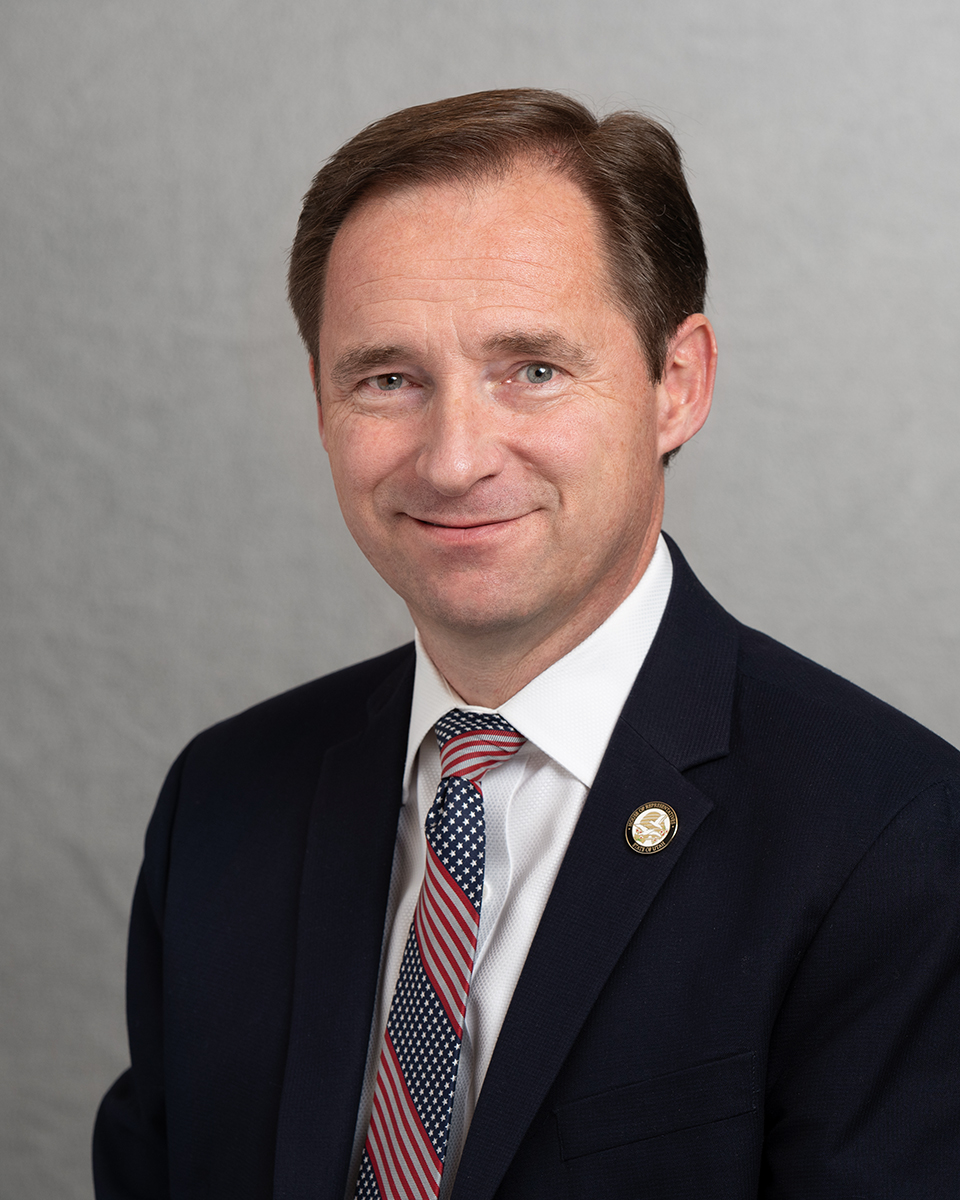
Rep. Steve Eliason
Sponsored bills
Maddy summarySB 305 modifies how Utah calculates Medicaid hospital provider assessments and integrates quality incentive arrangements into Medicaid accountable care organization payment rates. It directly affects Utah hospitals serving Medicaid patients by requiring them to meet specific quality standards to qualify for additional payments. Key provisions include using funds from the Hospital Provider Assessment Expendable Revenue Fund to support quality strategies (capping annual spending at $211,300) and monitoring how accountable care organizations distribute funds to hospitals (capping annual spending at $200,000). The bill takes effect on May 6, 2026, and updates existing Medicaid payment structures without appropriating new state funds.
Maddy summarySB 73 requires online platforms providing content deemed harmful to minors to implement age verification systems. It imposes an excise tax on these platforms, with revenues funding mental health programs and enforcement through the Division of Consumer Protection. The bill creates two dedicated accounts for these funds and grants the Division authority to investigate violations, impose fines, and establish verification standards. Platforms failing to comply face civil penalties, while approved verification methods receive a safe harbor from liability.
Maddy summarySB 288 requires Utah's Department of Health and Human Services to establish quality standards for Medicaid providers (including managed care entities and fee-for-service providers) and annually report their performance to the legislature. It mandates a new "closed loop referral system" to coordinate social needs care (like housing or food assistance) for Medicaid-eligible individuals, ensuring secure communication and tracking of referrals between providers. The bill appropriates $42.7 million for fiscal year 2027 to fund these requirements, including $16.9 million from the General Fund. This directly affects Medicaid providers through performance evaluations and new reporting duties, while improving care coordination for Medicaid enrollees with social needs.
Maddy summarySB 261 amends Utah's pharmacy laws to expand pharmacists' roles and improve oversight. It allows pharmacists to prescribe vaccines and epinephrine directly, increases patient access to these services, and permits online sales of pseudoephedrine under specific safeguards. The bill also requires an electronic tracking system for pseudoephedrine sales to prevent diversion, managed by the Division of Professional Licensing and the Board of Pharmacy. These changes primarily affect pharmacists, patients seeking vaccinations or epinephrine, and retailers selling pseudoephedrine. The bill makes no changes to funding or existing pharmacy licensing structures.
Maddy summaryHB 15 amends Utah's Medicaid expansion program to address potential reductions in federal funding. It changes the automatic end date for the expansion if federal matching funds decrease, requires the Department of Health and Human Services to terminate programs that would reduce federal funds, and mandates a report to the legislature if funding drops. The bill also allows the state tax funding Medicaid expansion to end if the program concludes. These changes directly affect Utah's Medicaid beneficiaries and the state's administration of the program, focusing on maintaining federal funding alignment without new state spending.
Maddy summaryHB 71 requires health insurance companies (covered insurers) to help enrollees access behavioral health services (like mental health and substance use treatment) in a timely manner when in-network providers aren't available. Insurers must publish and regularly update accurate provider directories, facilitate out-of-network care within 7 days (or 24 hours for emergencies), and follow specific rules for single case agreements to cover out-of-network services. The bill also extends these requirements to Utah's Medicaid program and directs the state to create a working group to study a statewide behavioral health provider directory. These changes apply to all insurers offering behavioral health coverage, effective July 1, 2026.
Maddy summaryHB 59 requires businesses serving alcohol (including restaurants, bars, taverns, and beer retailers) to verify the age of individuals appearing to be 35 years old or younger before serving them alcohol or admitting them to the premises. It mandates electronic verification of ID using state-approved technology, limits displayed information to basic details (name, age, ID number), and requires businesses to retain verification data for seven days. The bill also allows authorized personnel to confiscate suspected fake IDs and report them to law enforcement. This law takes effect May 6, 2026, and applies retroactively from January 1, 2026.
Maddy summaryHB 552 amends Utah's behavioral health system by shifting administration of the Governor's Suicide Prevention Fund to the Office of Behavioral Health (replacing the governor) and creating a new community-based peer support grant program. It requires the Department of Health and Human Services to maintain a database of involuntary commitments, establishes a family outreach specialist role to assist families after suicide or overdose deaths, and restructures advisory committees to better coordinate behavioral health initiatives. The bill appropriates $114.95 million from the General Fund for fiscal year 2027 to support these changes. These provisions directly affect Utah residents accessing behavioral health services, state agencies managing mental health programs, and families impacted by suicide or overdose.
Maddy summaryHB 587 reduces Utah's corporate and individual income tax rates from 4.5% to 4.45% for taxable income. It directly affects corporations and individual residents subject to Utah income tax, applying the lower rate to all taxable income under sections 59-7-104, 59-7-201, and 59-10-104. The bill maintains the $100 minimum tax for corporations but makes no changes to tax exemptions or other provisions. It takes effect May 6, 2026, with retrospective application for tax years beginning January 1, 2026. The bill contains no new funding requirements.