

Maddy summaryThis bill, titled the Negating Neighborhood Noise Act of 2026, restricts the use of federal highway funds for building specific noise barriers while allowing exceptions for older projects or those near pre-existing developments. It permits the use of surface transportation block grant money for constructing these barriers if they meet new criteria regarding age and location. Additionally, the legislation encourages the creation of "multipurpose" barriers that can also support renewable energy, electrical lines, or broadband infrastructure, and requires sponsors to consider the visual appearance of these structures.
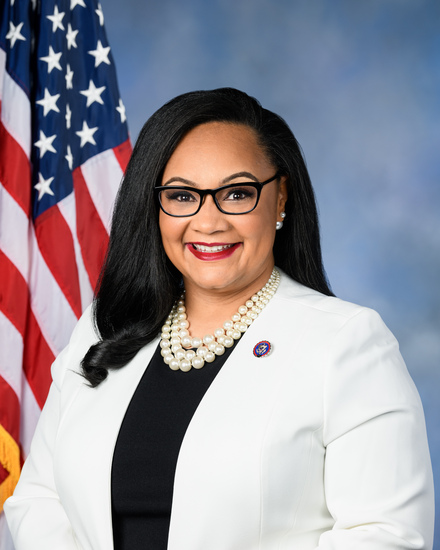
Rep. Nikema Williams
Sponsored bills
Maddy summaryThe Blood Pressure MATTERS Act requires health insurance plans, Medicaid programs, and the Children's Health Insurance Program to cover self-measured blood pressure monitors for pregnant and postpartum individuals without charging copayments or deductibles. This coverage applies to devices that allow individuals to measure their own blood pressure without a doctor's help, provided the device is FDA-cleared and listed on a specific validated registry. The law mandates that these devices be covered regardless of whether a person has been diagnosed with high blood pressure, but limits the benefit to one device per person every two years. These changes take effect approximately 120 days after the bill is enacted, with a grace period for states that need to pass additional legislation to comply.
Maddy summaryThe Vote by Mail Protection Act of 2026 directly affects the federal government by nullifying Executive Order 14399, which previously required citizenship verification in federal elections. This legislation prohibits any federal agency from enforcing the order or using taxpayer funds to carry out its activities. By repealing the executive order, the bill removes the mandate for agencies to verify citizenship as a condition for voting in federal elections.
Maddy summaryThis joint resolution allows Congress to reject a specific rule issued by the Bureau of Consumer Financial Protection. The rule in question involves the withdrawal of a previous guideline that addressed how banks assess fees for returned deposited items. If passed, the resolution would cancel the new rule, effectively keeping the older fee assessment practices in place.
Maddy summaryThis bill amends the Fair Credit Reporting Act to restrict how background information is shared with landlords when screening potential tenants. It directly affects individuals with criminal records by prohibiting consumer reporting agencies from including specific data in reports used for rental housing decisions. Key provisions ban the inclusion of arrest records, juvenile adjudications, expunged convictions, and cases resolved through diversion programs, while also preventing the reporting of convictions that have been completed or where the individual is currently on probation or parole. Additionally, the legislation requires landlords who deny housing based on these reports to provide applicants with the specific reasons for the denial within three days. Finally, the bill prevents states from setting their own time limits for how long certain types of criminal information can be excluded from these reports.
Maddy summaryThis bill, titled the Protecting Human Rights and Public Health in Foreign Assistance Act, aims to cancel specific regulations issued by the Department of State. It directly affects the federal government by prohibiting any department or agency from enforcing, implementing, or proposing rules related to protecting life, combating discriminatory equity ideology, and combating gender ideology in foreign aid programs. The legislation treats these cancelled rules as if they never existed, effectively nullifying their impact on future foreign assistance policies.
Maddy summaryHouse Resolution 1208 expresses the House of Representatives' support for honoring Earth Day and its historical role in promoting environmental protection and action. It encourages American citizens to engage in environmental stewardship and urges the President and the U.S. Government to take immediate action to address climate change, environmental injustices, and rejoin international climate agreements.
Maddy summaryThe WISE Act amends the Federal Water Pollution Control Act to require states receiving capitalization grants to allocate at least 20 percent of those funds toward specific sustainability projects. These designated projects must focus on green infrastructure, water or energy efficiency improvements, or other environmentally innovative activities, provided there are enough eligible applications and available funding. This change directly affects state governments by mandating a minimum spending threshold for these initiatives within the existing grant program. The legislation aims to ensure that a significant portion of federal water infrastructure money supports modern, eco-friendly solutions rather than traditional construction methods.
Maddy summaryThis bill proposes a 15 percent pay increase for career employees of the Transportation Security Administration, including agents and officers who are not senior executives or high-level appointees. The raise would take effect starting with the first pay period following the law's enactment and would apply to both basic pay rates and compensation bands under the TSA's core system. The legislation directly affects TSA staff members who fall under the career employee definition, ensuring they receive the salary adjustment in their next eligible paycheck.
Maddy summaryThis bill strengthens the Vaccines for Children Program and Medicaid immunization coverage to improve vaccine access for children. It expands eligibility to include children enrolled in state child health plans and clarifies that providers can charge fees for vaccine administration and counseling services up to Medicare rates. The legislation also increases federal funding for Medicaid by 1% per quarter starting in 2027, contingent on states providing culturally competent vaccination outreach, and requires annual public reports on vaccination rates by demographic factors.