Issue · Labor & Employment

Labor & Employment

Every labor & employment bill, vote, and legislator stance in Utah, automatically classified by Maddy, our AI policy reader.

Total bills
42
2026 General Session
Top supporter
Melissa Ballard
100% support rate
Top opponent
Leah Hansen
0% support rate
Ranked legislators
10
5 support · 5 oppose
Key legislators

Who's moving labor & employment in Utah

Legislators moving labor & employment in Utah
Legislator Party Stance Support rate Votes
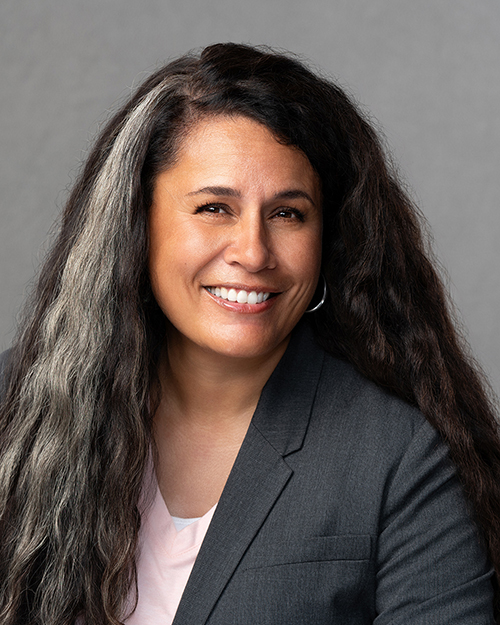
Melissa Ballard
Melissa Ballard House · District 20
R
Strong +
100% 48
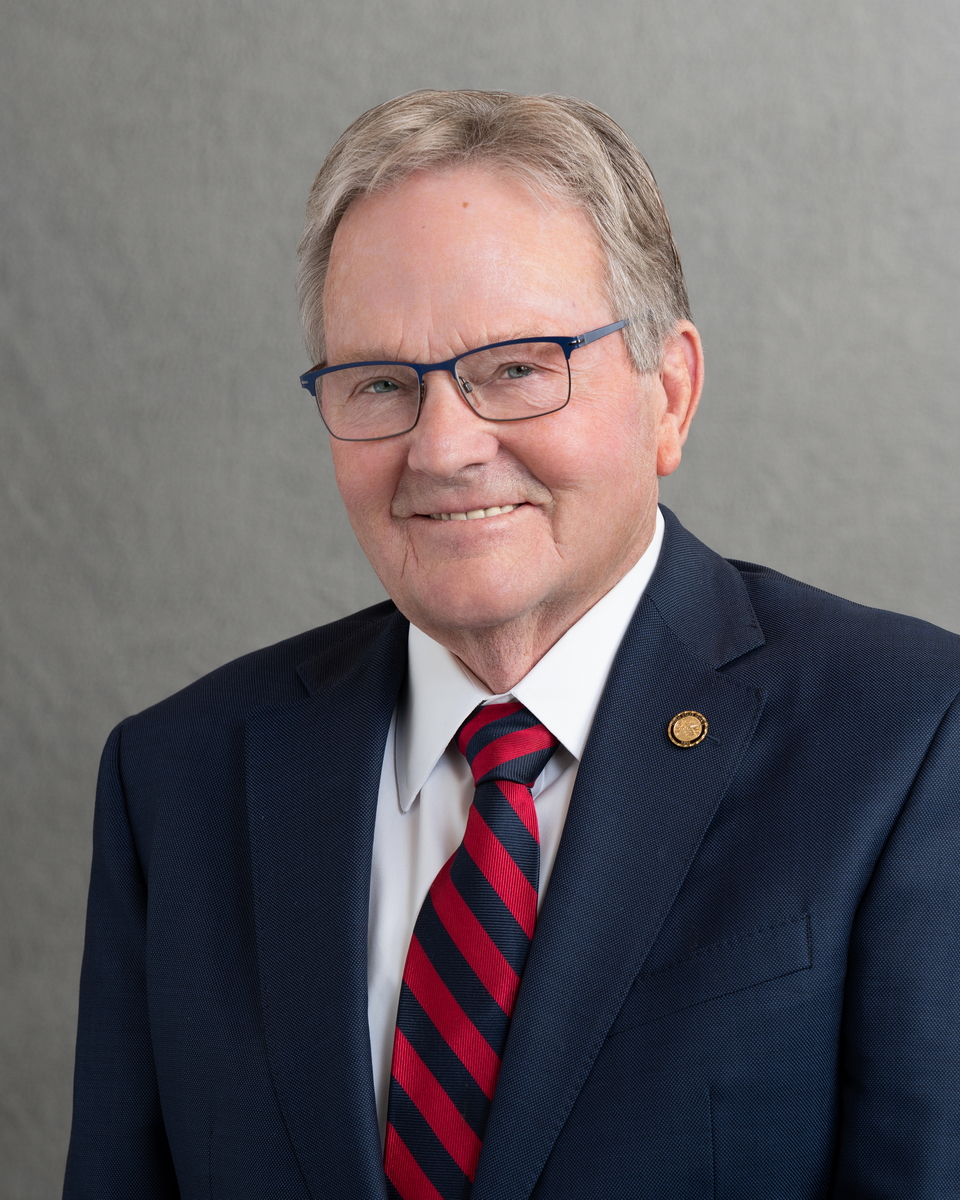
Kirk Cullimore
Kirk Cullimore Senate · District 19
R
Strong +
100% 43
Jerry Stevenson
Jerry Stevenson Senate · District 6
R
Strong +
100% 50
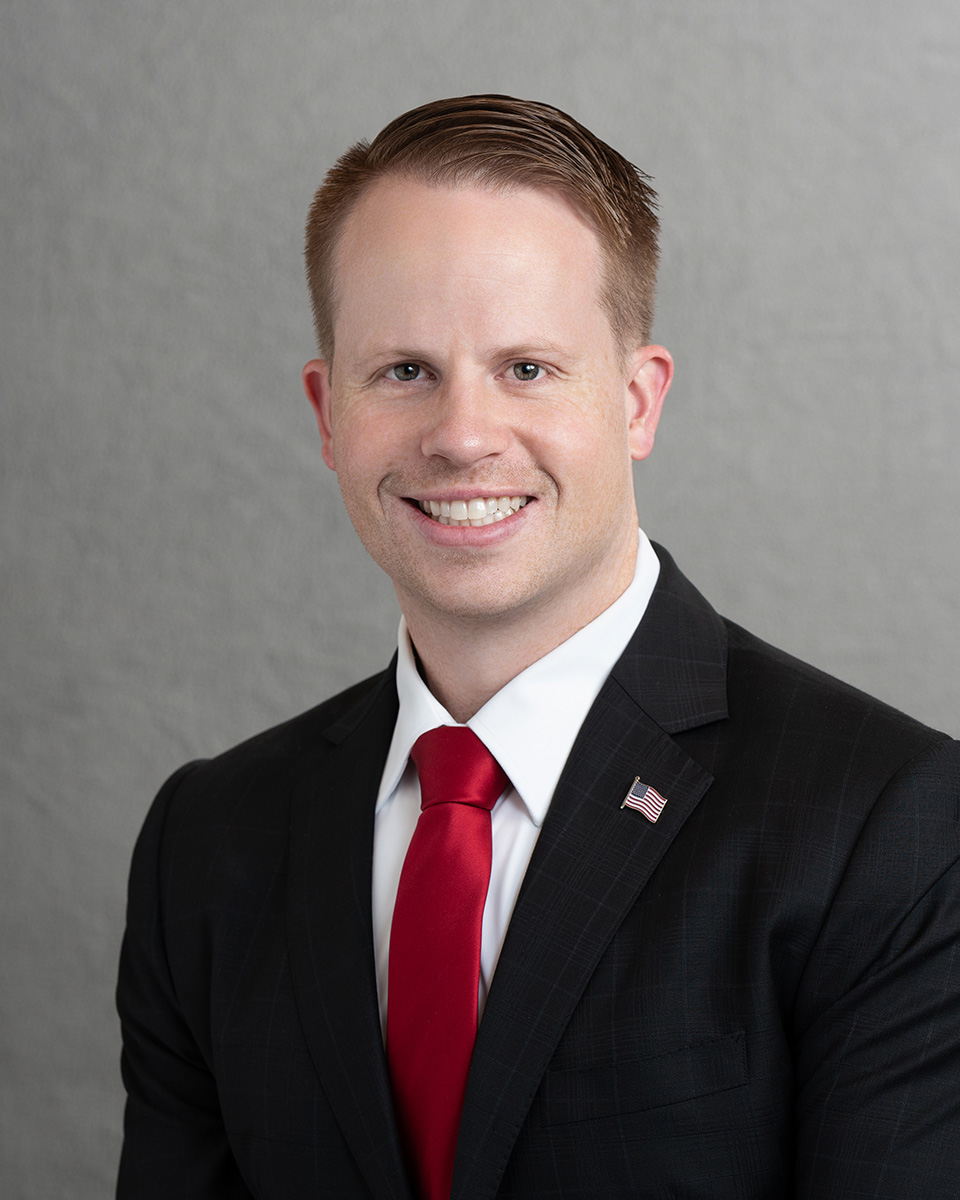
Chris Wilson
Chris Wilson Senate · District 2
R
Strong +
93% 62
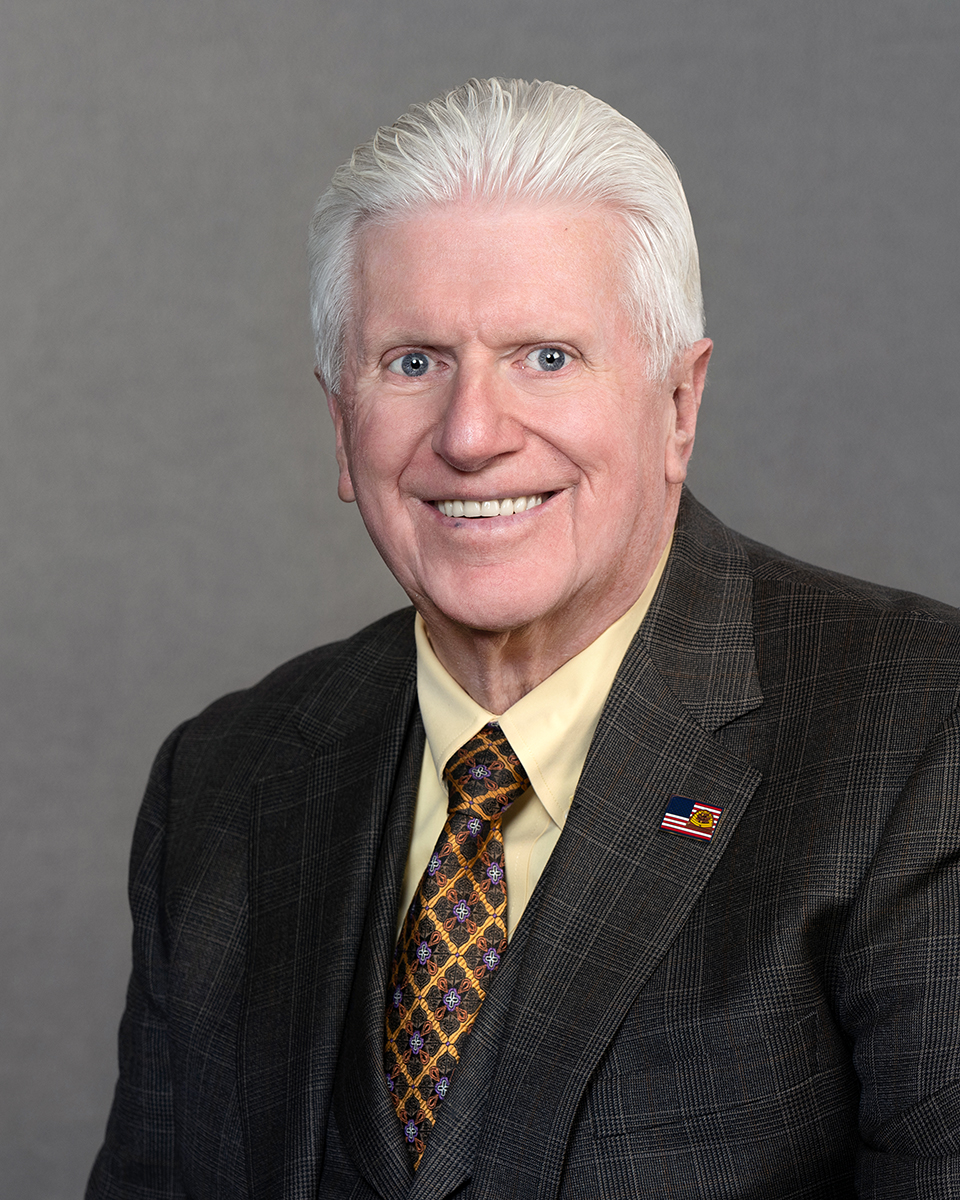
Don Ipson
Don Ipson Senate · District 29
R
Strong +
92% 64
Leah Hansen
Leah Hansen House · District 51
R
Strong −
0% 49
Trevor Lee
Trevor Lee House · District 16
R
Oppose
25% 47
Kristen Chevrier
Kristen Chevrier House · District 54
R
Oppose
25% 48
Mike Kohler
Mike Kohler House · District 59
R
Oppose
25% 51
Nicholeen Peck
Nicholeen Peck House · District 28
R
Oppose
25% 51
Showing 21–30 of 42 bills

All labor & employment bills

in committee · Utah · Senate Mar 7, 2026

SB 178: Right to Work Amendments

SB 178 repeals Utah's existing Right to Work Law, which currently prohibits mandatory union membership and dues payments for workers. This bill removes all 17 sections of the law (including protections against forced union membership and requirements for union dues) that apply to employers and employees across Utah. The repeal takes effect on May 6, 2026, with one specific section changing on November 28, 2026. This directly affects all Utah workplaces covered by the repealed law, eliminating legal barriers to union membership requirements.
signed · Utah · House Mar 18, 2026

HB 380: Hospital Workplace Violence Reporting Requirements

HB 380 requires Utah hospitals to establish systems for tracking and reporting workplace violence incidents involving staff. Hospitals must record details like incident timing, victim job roles, perpetrator type (patient, visitor, or employee), and responses; prohibit retaliation against reporters; and submit quarterly data to medical/nursing leadership by November 2026. They must also maintain records for two years and provide annual reports to the state department. The bill also delays repealing enhanced criminal penalties for violence against health facility employees until 2032.
Sub-Topics Hospitals
signed · Utah · Senate Mar 25, 2026

SB 98: Substance Use Rehabilitation Amendments

SB 98 creates a voluntary certification program for employers to become "recovery ready workplaces," administered by Utah's Department of Health and Human Services. Employers seeking certification must implement specific practices, including preventing workplace factors that contribute to substance use disorders, reducing stigma, providing employee education, making naloxone (an opiate antagonist) available, and supporting employees accessing treatment. The bill authorizes the department to establish application criteria and an application process, with potential funding from the Electronic Cigarette Substance and Nicotine Product Proceeds Restricted Account. This program directly affects employers who choose to participate, aiming to improve workplace support for employees with substance use disorders.
introduced · Utah · House Mar 7, 2026

HB 131: Employee Disclosure Requirements

HB 131 amends Utah’s labor code to clarify employer definitions and wage payment disclosure requirements. It requires employers to notify employees at hiring about paydays and wage rates, with posting as an acceptable alternative, and mandates advance notice for any changes to these details. The bill directly affects all Utah employers, including unincorporated businesses and franchise operations, by specifying when such entities are considered employers and how wage notices must be provided. Key provisions include defining "active manager" for ownership disputes and updating notice rules under Section 34-28-4, while maintaining existing misdemeanor penalties for violations under Section 34-28-12. This is a technical clarification with no new funding or substantive policy changes.
Sub-Topics Labor Standards
in committee · Utah · Senate Mar 7, 2026

SB 179: Wage Amendments

SB 179 establishes Utah's minimum wage at $20 per hour for all private and public employees, effective May 6, 2026. It requires employers with 15 or more staff to disclose minimum and maximum wages, plus any benefits (like bonuses or stock), in all job listings. The Labor Commission must adjust this minimum wage annually for inflation and cannot set it below $20 per hour. The bill also updates wage-related definitions and prevents cities or counties from imposing higher minimum wages than the state.
signed · Utah · House Mar 26, 2026

HB 416: First Responder Health Modifications

HB 416 creates the Firefighter Cancer Benefit Trust Fund to provide financial support for firefighters diagnosed with cancer presumed to be work-related. The bill redirects existing revenue from property and life insurance premiums (specifically 50% of the first $4 million from property insurance tax and 10% of the first $1 million from life insurance tax) to fund this trust, replacing prior allocations. The trust fund, administered by an 11-member board (including firefighters, fire chiefs, medical experts, and officials), will cover benefits for affected firefighters and their families, with assets protected from creditor claims. This bill modifies tax distribution rules without new appropriations, directly affecting Utah firefighters with presumptive cancer diagnoses under existing law.
signed · Utah · Senate Mar 23, 2026

SB 166: Line-of-Duty Death Benefit Amendments

This bill allows Utah's Local Public Safety and Firefighter Surviving Spouse Trust Fund to reimburse employers for health coverage costs they paid between May 1, 2024, and May 7, 2025, for surviving spouses and dependent children of public safety or firefighter employees who died on duty. It specifically covers premiums and health savings account contributions already paid by employers during that period. The reimbursement uses existing money in the trust fund, requiring no new state funding. This change applies retroactively to costs incurred before the bill's effective date of May 6, 2026.
signed · Utah · House Mar 19, 2026

HB 396: Public Project Subcontractor Amendments

HB 396 modifies disclosure rules for subcontractors working on Utah public construction projects. It requires subcontractors to sign a statement confirming they have no employees (to qualify for a "zero estimated exposure" workers' compensation policy) and to report employee details to the state division. The bill also mandates general contractors and property owners to keep records for audits, shifts interest rates and penalties for unemployment insurance to be set by rule, and expands "unprofessional conduct" to include failing to meet these new requirements. These changes directly affect subcontractors, contractors, and property owners involved in public construction projects.
Sub-Topics Unemployment
signed · Utah · House Mar 23, 2026

HB 130: Employment Medical Examination Expense Amendments

HB 130 prohibits employers in Utah from requiring employees or job applicants to pay for medical examinations (including drug tests) as a condition of hiring or employment. It directly affects workers and prospective employees who might otherwise be charged fees for required health screenings. The bill mandates that employers cover all costs of these exams, bans reimbursement schemes where employees pay upfront and get refunded later, and establishes enforcement through the Labor Division, allowing workers to file claims within one year for violations. If an employer violates the law, they must reimburse affected individuals and may face daily penalties of up to 5% of the fees paid, with penalties retained 50% for enforcement costs and 50% returned to the worker.
passed both · Utah · Senate Mar 7, 2026

SB 213: Utah Payment of Wages Act Statute of Limitations

This bill changes Utah's wage law by setting a one-year time limit for employees to sue employers over unpaid wages exceeding $10,000. For claims under $10,000, employees must first use administrative processes before filing a lawsuit, unless they combine claims (with other employees or additional claims against the same employer) totaling over $10,000. The law also adds daily penalties of 2.5% for unpaid wages after a court order. It directly affects employees seeking unpaid wages and employers who owe them. The bill takes effect May 6, 2026.
Sub-Topics Labor Standards
Showing 21 to 30 of 42 bills
Previous 1 2 3 4 5 Next