

Issue · Education
Education
Every education bill, vote, and legislator stance in Utah, automatically classified by Maddy, our AI policy reader.
Total bills
119
2026 General Session
Top supporter
Kirk Cullimore
96% support rate
Top opponent
Nate Blouin
15% support rate
Ranked legislators
10
5 support · 5 oppose
Key legislators
Who's moving education in Utah
| Legislator | Party | Stance | Support rate | Votes |
|---|---|---|---|---|

Kirk Cullimore
Senate · District 19
|
R |
Strong +
|
96% | 52 |
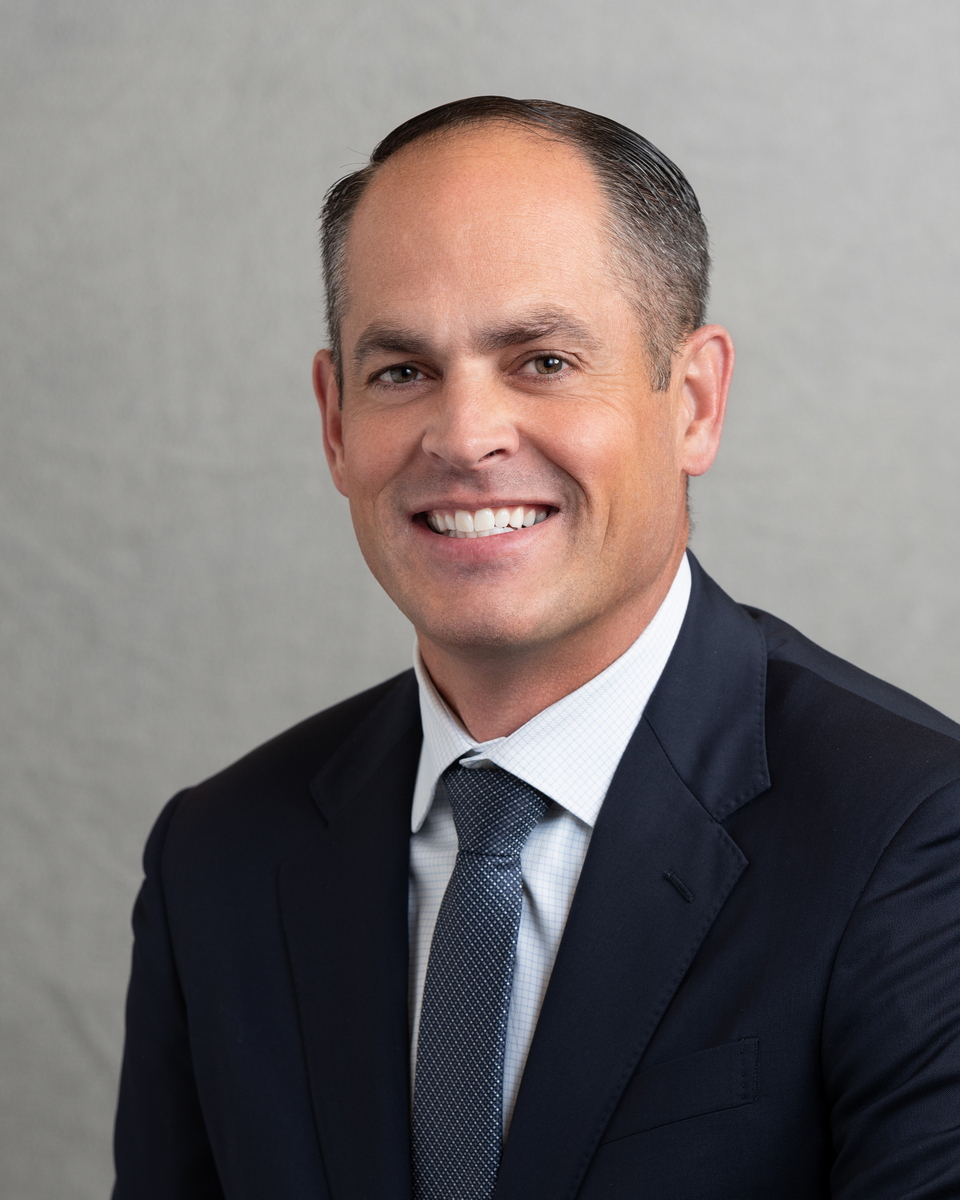
Mike McKell
Senate · District 25
|
R |
Strong +
|
92% | 69 |

Stuart Adams
Senate · District 7
|
R |
Strong +
|
91% | 62 |
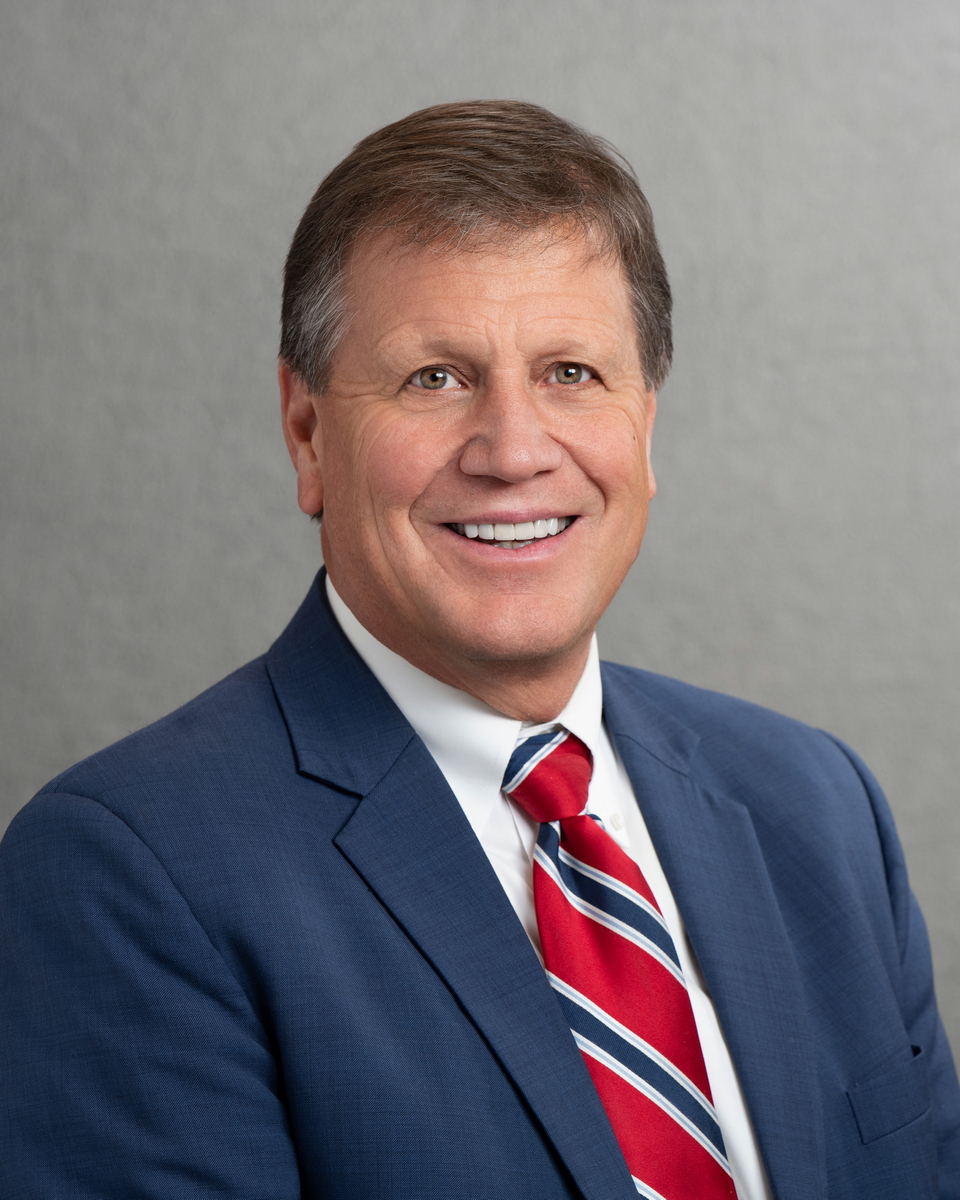
Keven Stratton
Senate · District 24
|
R |
Strong +
|
89% | 72 |

Cal Musselman
Senate · District 4
|
R |
Strong +
|
89% | 72 |

Nate Blouin
Senate · District 13
|
D |
Strong −
|
15% | 78 |

Kathleen Riebe
Senate · District 15
|
D |
Oppose
|
21% | 76 |

Leah Hansen
House · District 51
|
R |
Oppose
|
30% | 51 |

Karen Kwan
Senate · District 12
|
D |
Oppose
|
32% | 79 |

Stephanie Pitcher
Senate · District 14
|
D |
Oppose
|
32% | 76 |
Showing 11–20 of 119
bills
All education bills
HB 462: School Bus Internet Access
Topics
✓ Budget & TaxesSupports Budget & TaxesBill allocates $325,000 grant for school bus internet, funding an education program through state budget appropriations.
✓ EducationSupports EducationProvides $325k grant for internet access on school buses in rural K-12 districts, enhancing educational access during transportation.
✓ TechnologySupports TechnologyFunds internet access on school buses for rural students, expanding connectivity and promoting digital equity in education.
SB 297: School Social Worker Amendments
Topics
✓ EducationSupports EducationClarifies mental health personnel qualifications to ensure proper training/supervision, strengthening student support services in schools per bill's definition updates and State Board guidance requirements.
✓ HealthcareSupports HealthcareClarifies mental health support roles in schools with licensing standards, ensuring proper training and supervision for student mental health services.
HB 485: Property Tax Revenue Increase Amendments
Topics
✗ Budget & TaxesOpposes Budget & TaxesCaps property tax revenue growth for school districts, limiting their ability to collect new funds from rising property values.
✗ EducationOpposes EducationCapping property tax revenue growth limits school districts' ability to raise funds from new property values, restricting potential education funding increases.
SB 294: Student Achievement Backpack
Topics
✓ EducationSupports EducationCreates secure, unified student data access for K-12 educators and parents, enhancing educational tracking without data transfer per bill's visualization-only interface requirement.
✓ TechnologySupports TechnologyBill protects student data privacy by requiring no data transfer/storage and using a secure visualization interface, aligning with data privacy indicators.
Sub-Topics
K-12 Education
SB 291: Student Transportation Amendments
Topics
✓ Budget & TaxesSupports Budget & TaxesBill expands state-funded transportation eligibility, increasing public service funding for student safety. Directly allocates state budget resources to cover more students under new criteria.
✓ EducationSupports EducationExpands state-funded bus eligibility for K-6/MS students in hazardous routes or beyond distance thresholds, improving school access and safety.
✓ TransportationSupports TransportationDefines hazardous routes (e.g., high-speed roads without sidewalks) and expands bus eligibility for safety, directly enhancing transportation safety standards.
HCR 13: Concurrent Resolution Regarding Technical Education
SB 241: Early Literacy
HB 497: Public Education Funding Amendments
Topics
✓ Budget & TaxesSupports Budget & TaxesAdds funding to education budget for declining enrollment schools, strengthening public school financing per bill's adjustment of weighted pupil unit value.
✓ EducationSupports EducationAdjusts funding formula to provide additional support for schools with enrollment declines, increasing weighted pupil unit value to maintain funding levels.
Sub-Topics
School Funding
HB 456: Pesticide Amendments
Topics
✓ EducationSupports EducationBill restricts harmful pesticides near schools to protect student safety, directly addressing school facilities and safety under Education topic. Prohibits chemicals within 1,000 feet of school boundaries, aligning with educational environment pro...
✓ EnvironmentSupports EnvironmentRestricts harmful pesticides near schools, reducing environmental pollution and protecting natural resources per bill's prohibitions on chemicals like chlorpyrifos and glyphosate.