Issue · Criminal Justice

Criminal Justice

Every criminal justice bill, vote, and legislator stance in Utah, automatically classified by Maddy, our AI policy reader.

Total bills
90
2026 General Session
Top supporter
Lincoln Fillmore
92% support rate
Top opponent
Leah Hansen
9% support rate
Ranked legislators
10
5 support · 5 oppose
Key legislators

Who's moving criminal justice in Utah

Legislators moving criminal justice in Utah
Legislator Party Stance Support rate Votes
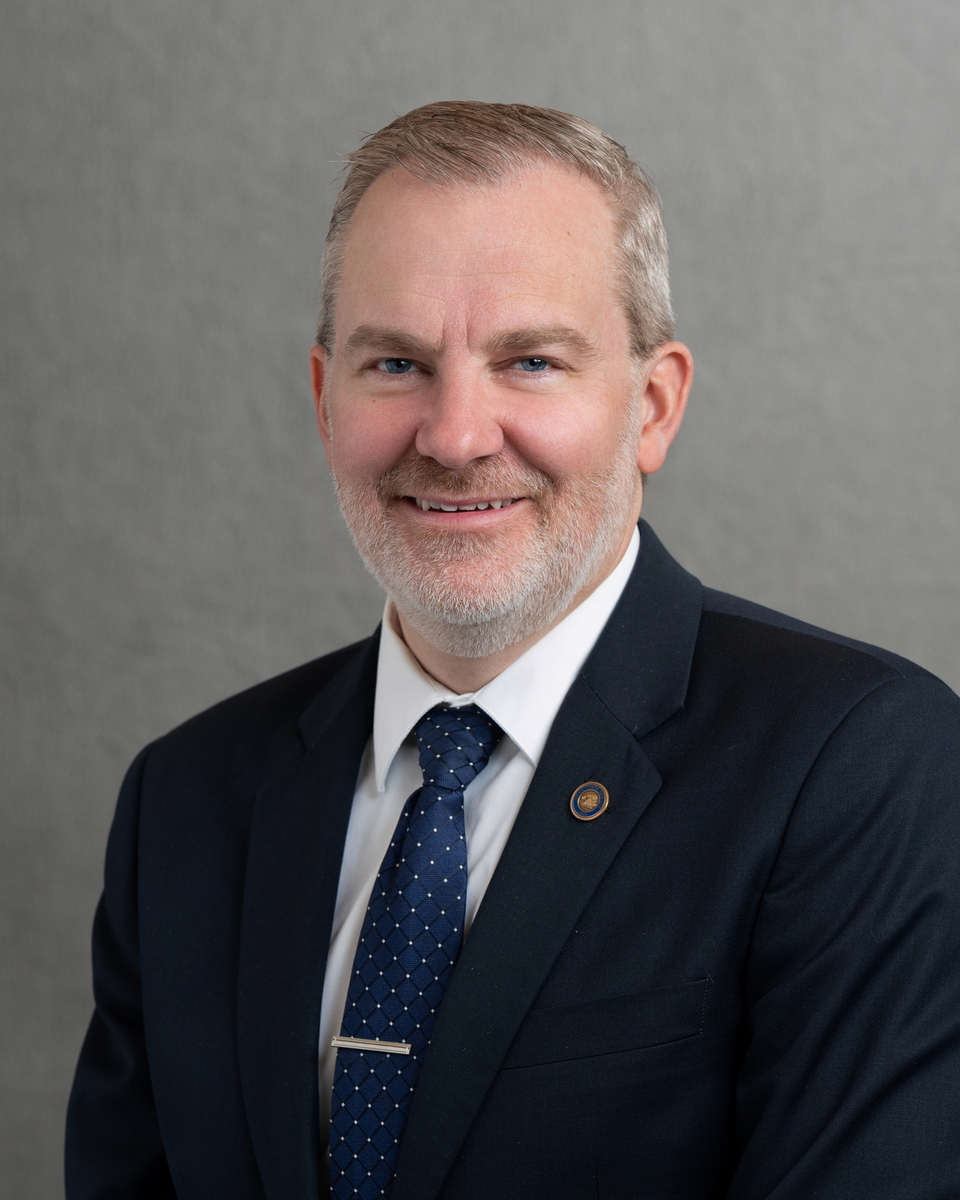
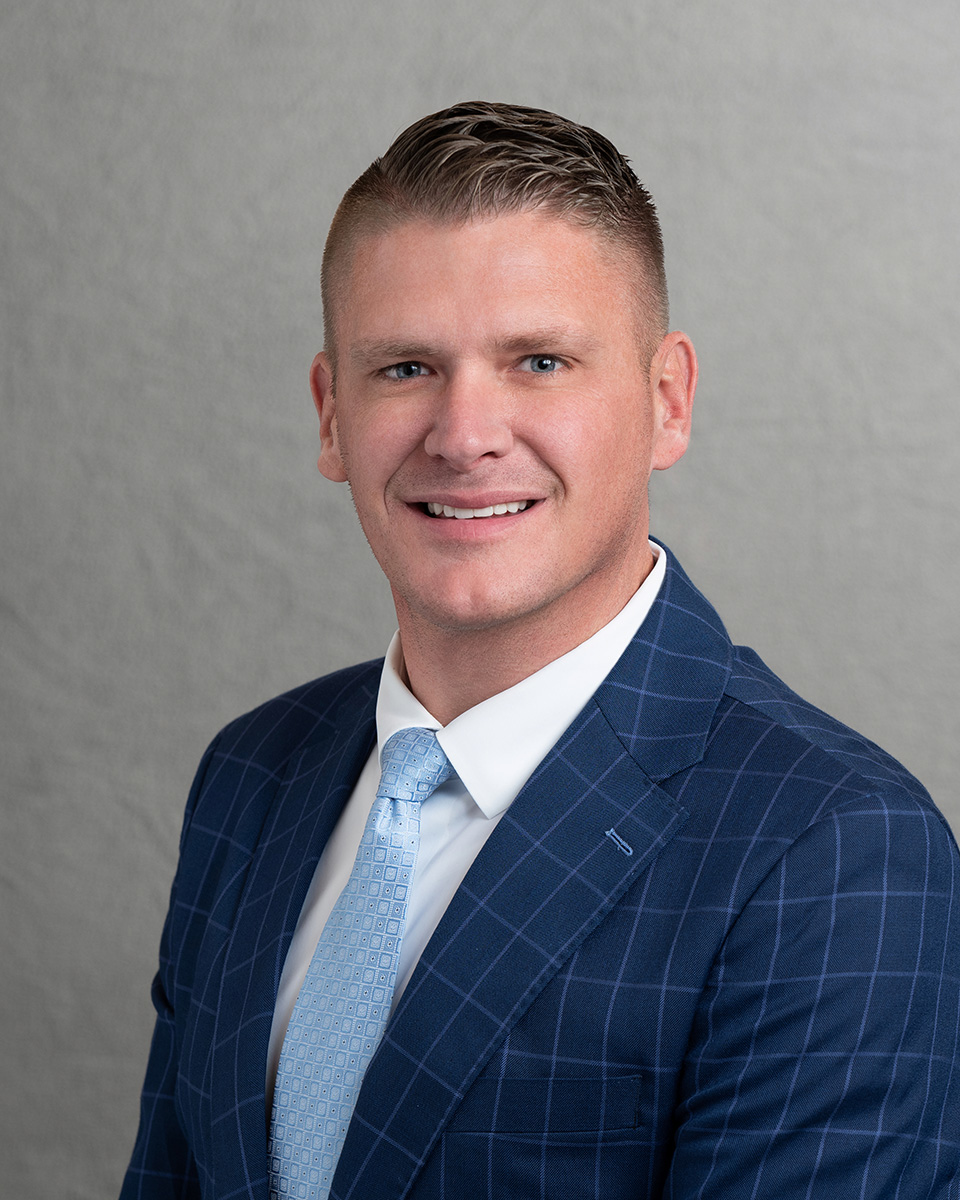
Lincoln Fillmore
Lincoln Fillmore Senate · District 17
R
Strong +
92% 79
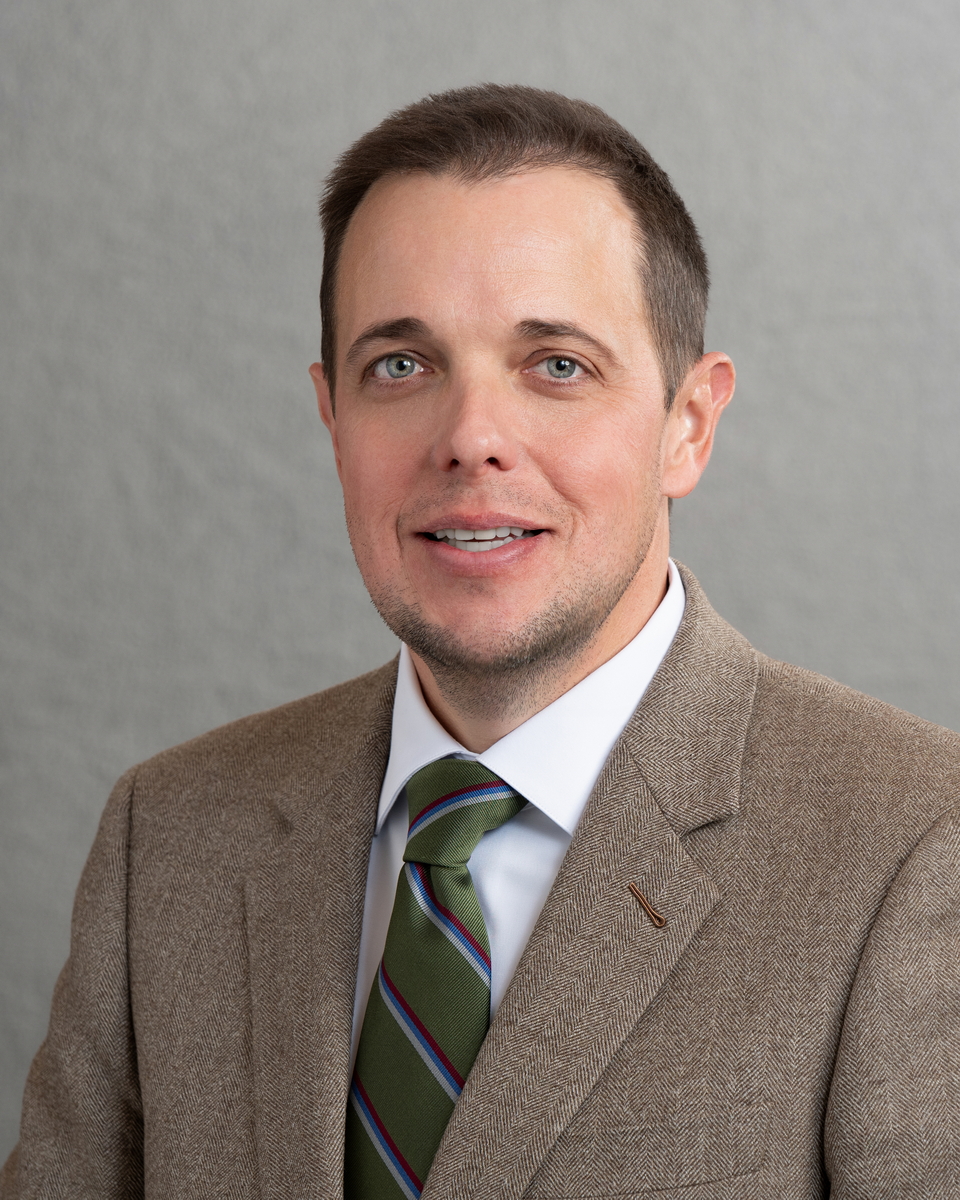
Bridger Bolinder
Bridger Bolinder House · District 29
R
Strong +
91% 59
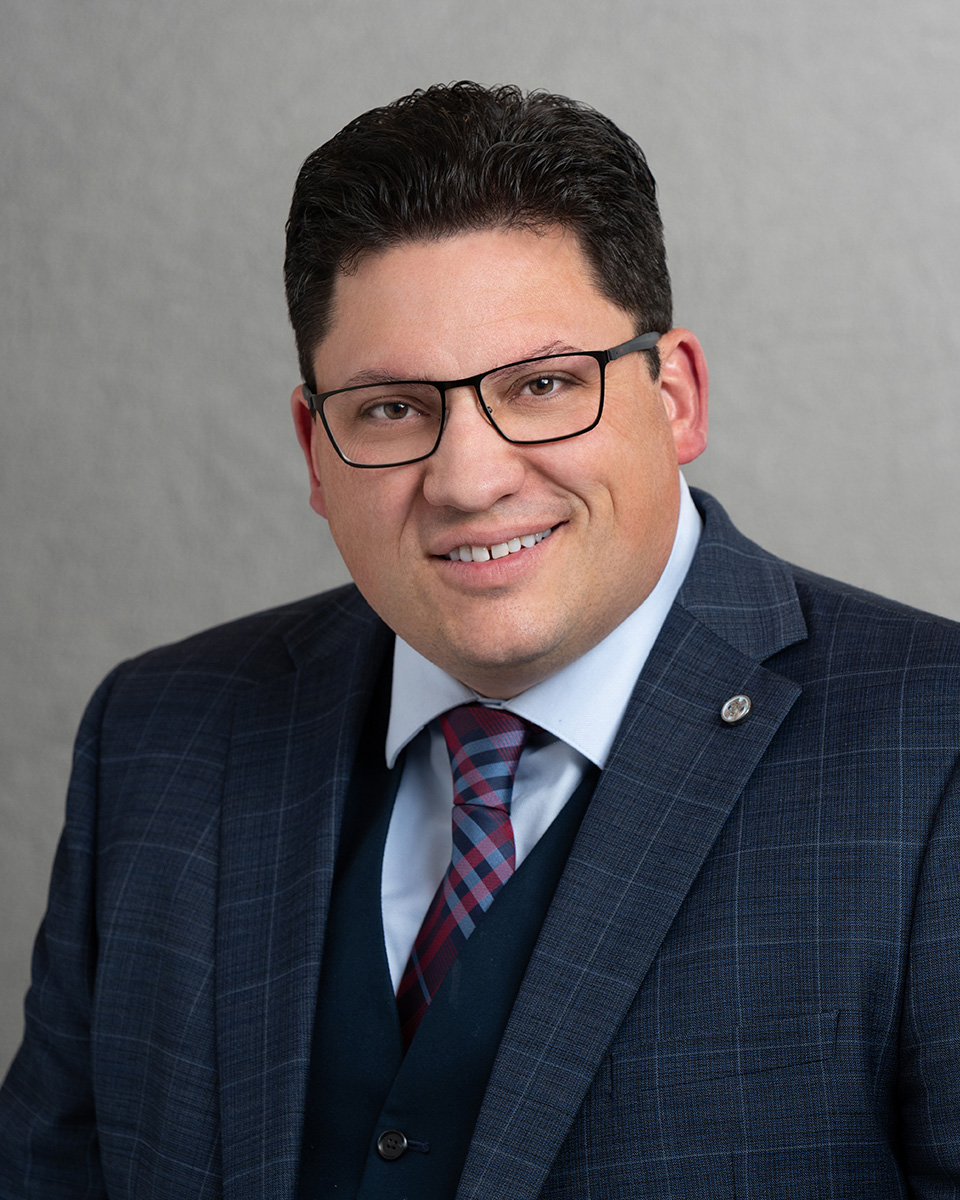
Dan McCay
Dan McCay Senate · District 18
R
Strong +
86% 81
Ryan Wilcox
Ryan Wilcox House · District 7
R
Strong +
83% 60
Jason Thompson
Jason Thompson House · District 3
R
Strong +
82% 60
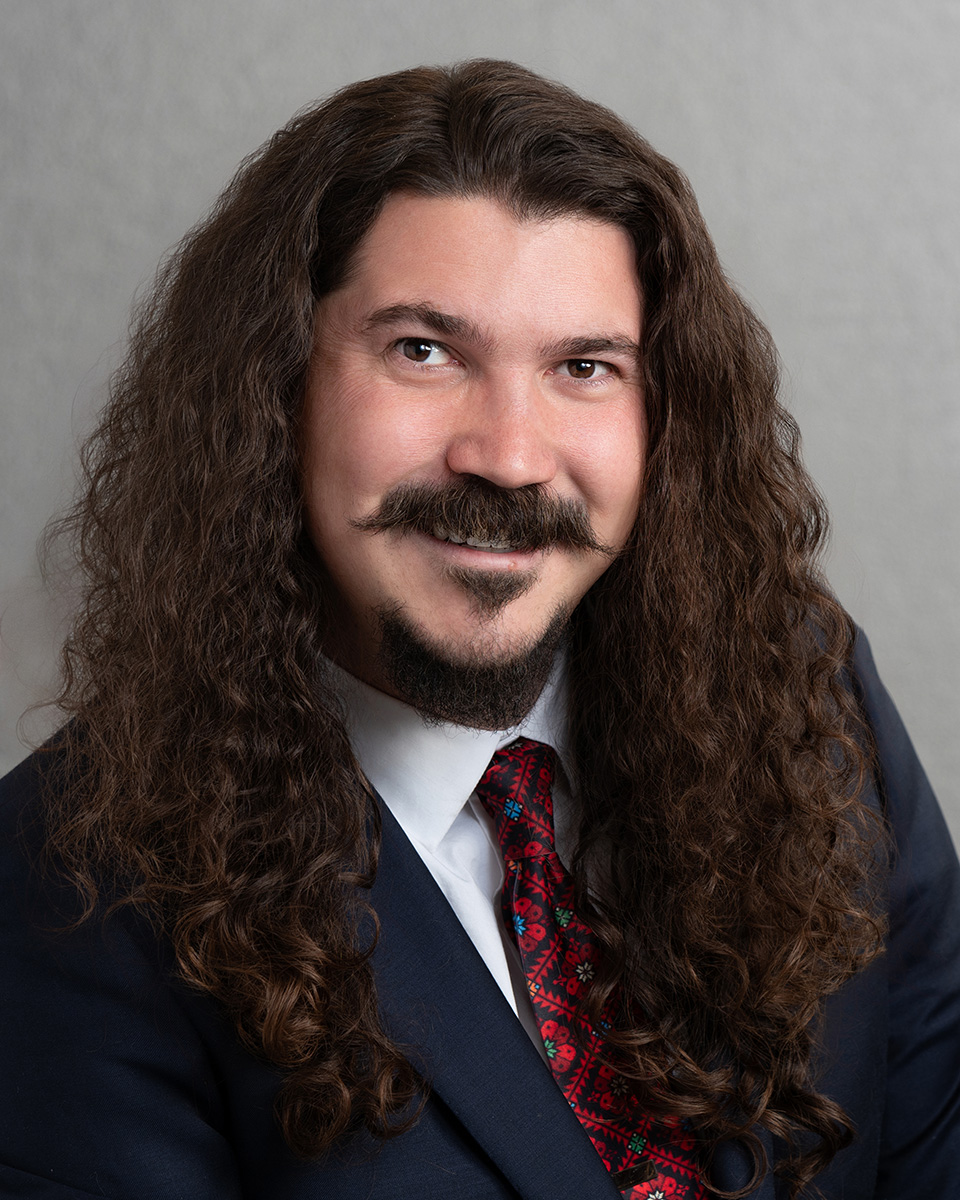
Leah Hansen
Leah Hansen House · District 51
R
Strong −
9% 63
Grant Miller
Grant Miller House · District 24
D
Strong −
17% 66
Verona Mauga
Verona Mauga House · District 31
D
Oppose
25% 62
Kathleen Riebe
Kathleen Riebe Senate · District 15
D
Oppose
27% 89
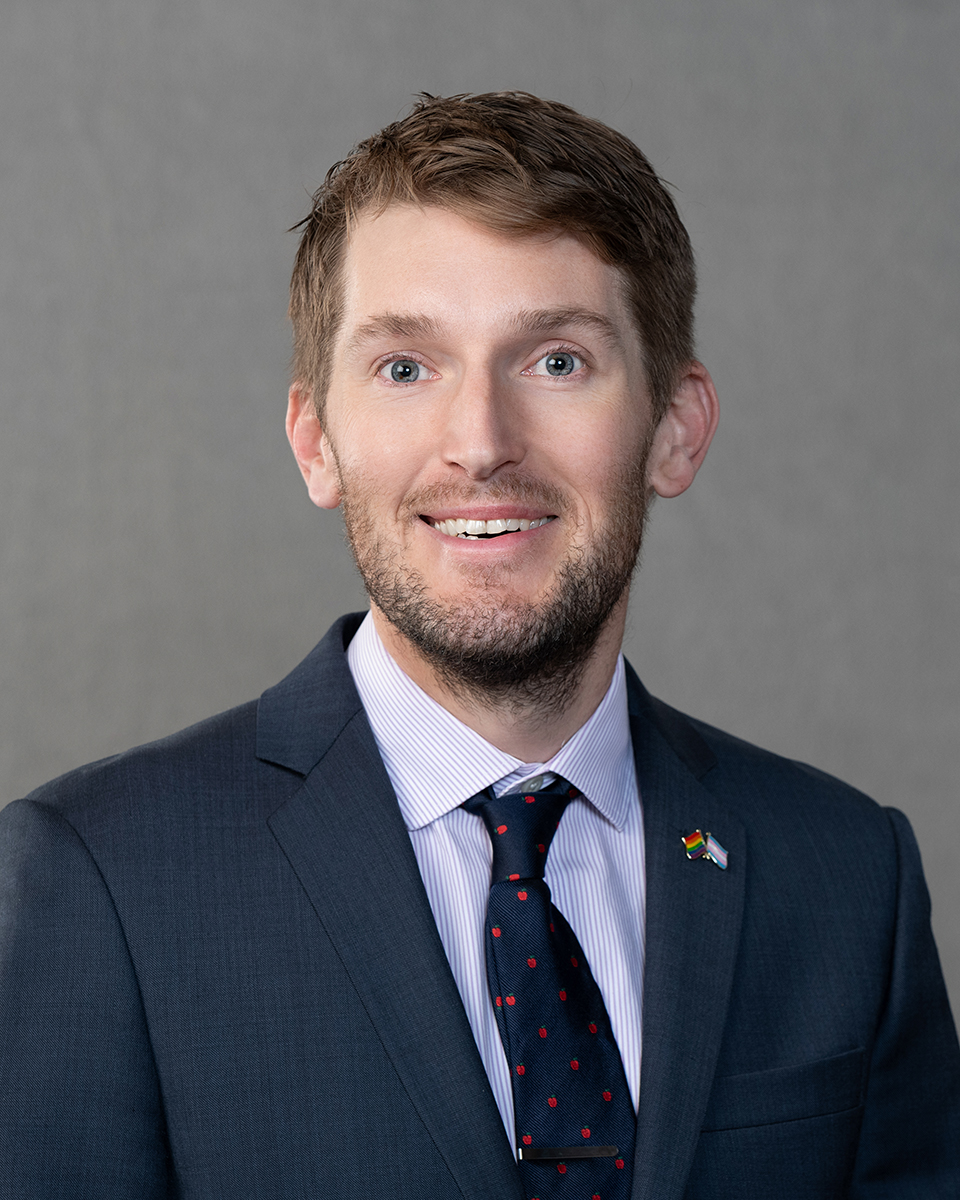
Nate Blouin
Nate Blouin Senate · District 13
D
Oppose
27% 94
Showing 31–40 of 90 bills

All criminal justice bills

signed · Utah · Senate Mar 24, 2026

SB 184: Justice System Amendments

SB 184 allows Utah courts to reduce a defendant's recorded conviction to a lower offense degree under specific conditions. It applies to defendants who meet criteria such as providing substantial assistance in criminal investigations within one year of sentencing, successfully completing probation/parole or a rehabilitation program, or waiting five years without new offenses. Key requirements include prosecutor consent for violent felonies, no pending charges, and no current incarceration. The bill modifies Utah Code Section 76-3-402 to establish these pathways while maintaining safeguards for serious offenses.
signed · Utah · House Mar 26, 2026

HB 139: Female Genital Mutilation Amendments

HB 139 removes the statute of limitations for prosecuting female genital mutilation (FGM), meaning prosecutors can pursue cases at any time regardless of when the offense occurred. It also repeals a requirement for the Department of Health and Human Services to create a community education program about FGM. The bill directly affects individuals who commit FGM and law enforcement by changing how these cases can be prosecuted. These changes amend Utah Code Section 76-1-301 to include FGM under offenses with no time limit for prosecution and remove the education program mandate. The bill takes effect on May 6, 2026.
Sub-Topics Law Enforcement
signed · Utah · House Mar 26, 2026

HB 137: Violent Crime Clearance Rate Amendments

HB 137 creates a grant program to help law enforcement agencies solve violent crimes. It establishes the "Violent Crime Clearance Rate Fund," which can receive state appropriations, private donations, and interest earnings. The fund is nonlapsing (unused money carries over), and the State Commission on Criminal and Juvenile Justice will administer it to award $250,000 in grants for FY2027 to agencies specifically for solving violent crimes. Agencies receiving grants must use the funds solely for this purpose, with no other restrictions or provisions.
signed · Utah · Senate Mar 17, 2026

SB 80: Physician Practice Amendments

SB 80 clarifies that physicians do not commit unprofessional conduct by participating in the execution of a death sentence authorized under Utah law. The bill amends disciplinary rules to explicitly exclude such participation from professional misconduct definitions for physicians. It directly affects medical professionals who may be involved in capital punishment procedures. The bill makes a specific policy change to protect physicians from disciplinary action related to this role, without creating new programs or allocating funds.
signed · Utah · House Mar 19, 2026

HB 321: Inmate Medical Treatment Rates Amendments

HB 321 establishes that Utah's Department of Health and Human Services must pay University of Utah Hospitals and Clinics the standard Medicaid base rate (not higher rates) for inmate medical care when no contract exists, creating a savings mechanism. It requires the department to deposit 50% of these savings into a new "Inmate Medical Treatment Restricted Account" for correctional health services, while the other 50% returns to the General Fund. The bill mandates annual reports to legislative committees detailing the savings calculations and account balances. This directly affects state departments managing inmate healthcare, hospitals providing services, and incarcerated individuals receiving medical treatment. The policy changes focus on standardizing reimbursement rates and tracking cost savings without altering healthcare delivery.
signed · Utah · Senate Mar 23, 2026

SB 183: Surveillance Camera Amendments

SB 183 prohibits law enforcement officers or their agents from tampering with, repositioning, or disabling privately or commercially owned surveillance cameras without specific authorization. The law allows exceptions when the camera owner consents, a court issues a warrant beforehand, or during urgent emergencies - requiring officers to notify owners within 24 hours or obtain a court order as soon as possible after the emergency ends. This directly affects camera owners (including businesses and residents) and law enforcement agencies operating in Utah. The bill creates two new Utah Code sections (53-25-1201 and 53-25-1202) and excludes trail cameras from its provisions. It takes effect on May 6, 2026.
Sub-Topics Courts Law Enforcement
signed · Utah · House Mar 26, 2026

HB 158: Unlawful Tracking Amendments

HB 158 amends Utah law to broaden protections against unauthorized tracking by renaming the offense to "unlawful use of a tracking device or tracking application." It makes it illegal to place trackers on personal property (excluding vehicles) or use tracking apps to monitor someone after they revoke consent, even if initial permission was given. The bill adds statutory damages for victims who choose this option over compensatory damages in civil cases. It includes exemptions for licensed private investigators (under specific conditions), parents tracking minors, caregivers for vulnerable adults, and law enforcement acting under court orders or official duties. The law applies directly to individuals using tracking technology and aims to strengthen privacy rights against persistent monitoring.
Sub-Topics Courts Law Enforcement
passed · Utah · Senate Mar 7, 2026

SB 67: Law Enforcement Quota Amendments

SB 67 prohibits law enforcement agencies from requiring peace officers to meet arrest or citation quotas and bans retaliation against officers for refusing such quotas. It requires the State Commission on Criminal and Juvenile Justice to collect and annually report alleged violations to the Law Enforcement and Criminal Justice Interim Committee. The bill directly affects peace officers and local law enforcement agencies by preventing quota-based pressure and disciplinary actions. Key provisions include defining "impermissible quotas," mandating violation reporting, and amending existing statutes to align with this prohibition. The bill makes no financial changes and focuses solely on policy reforms to address alleged quota practices.
introduced · Utah · House Mar 7, 2026

HB 162: Local Sales Tax Modifications

HB 162 allows certain Utah municipalities to impose a local sales tax specifically to fund infrastructure improvements for their local law enforcement agencies. It requires municipalities to hold a public hearing before approving the tax and mandates that all revenue be deposited into a separate special fund, not the general municipal fund. The bill also establishes procedures for reauthorizing the tax after its initial period and permits the State Tax Commission to retain a small administrative fee from collected revenue. This legislation modifies existing tax code provisions to create a structured framework for this targeted local funding mechanism, affecting only qualifying municipalities seeking to fund law enforcement infrastructure.
signed · Utah · House Mar 26, 2026

HB 134: Offender Transfer Amendments

HB 134 amends Utah's laws governing the transfer of probation or parole supervision between states under the Interstate Compact for Adult Offender Supervision. It changes the fee for individuals seeking such transfers, requires that offenders must first be under Utah's supervision before applying, and mandates courts or the Board of Pardons and Parole to report arrest warrants for offenders supervised in other states to the National Crime Information Center. The bill also merges two existing reporting requirements for the Bureau of Criminal Identification and repeals one outdated section. These changes directly affect individuals on probation or parole transferring supervision, Utah's Division of Adult Probation and Parole, and state courts handling related warrants.
Sub-Topics Probation & Parole
Showing 31 to 40 of 90 bills
Previous 1 3 4 5 9 Next