Issue · Criminal Justice

Criminal Justice

Every criminal justice bill, vote, and legislator stance in Utah, automatically classified by Maddy, our AI policy reader.

Total bills
20
2026 General Session
Top supporter
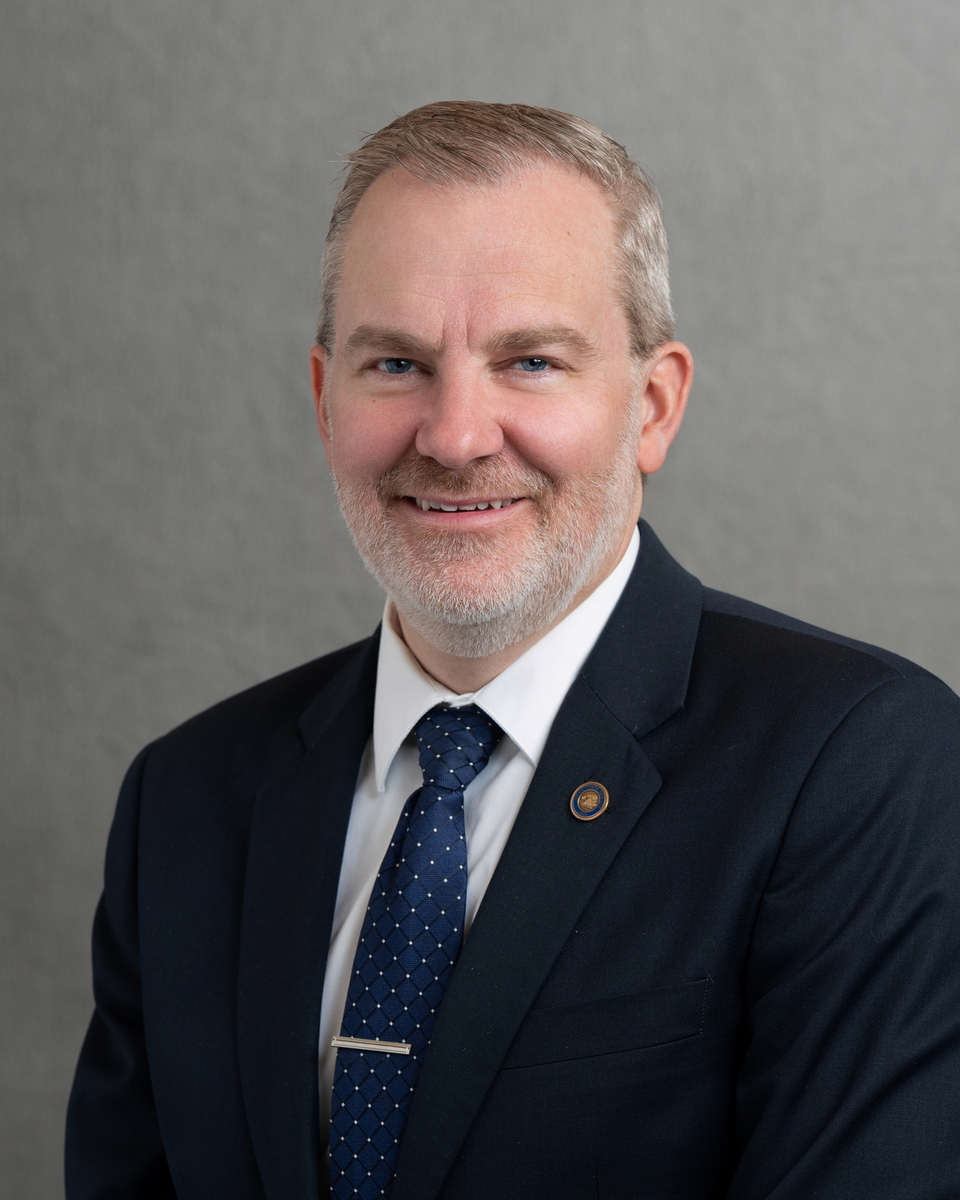
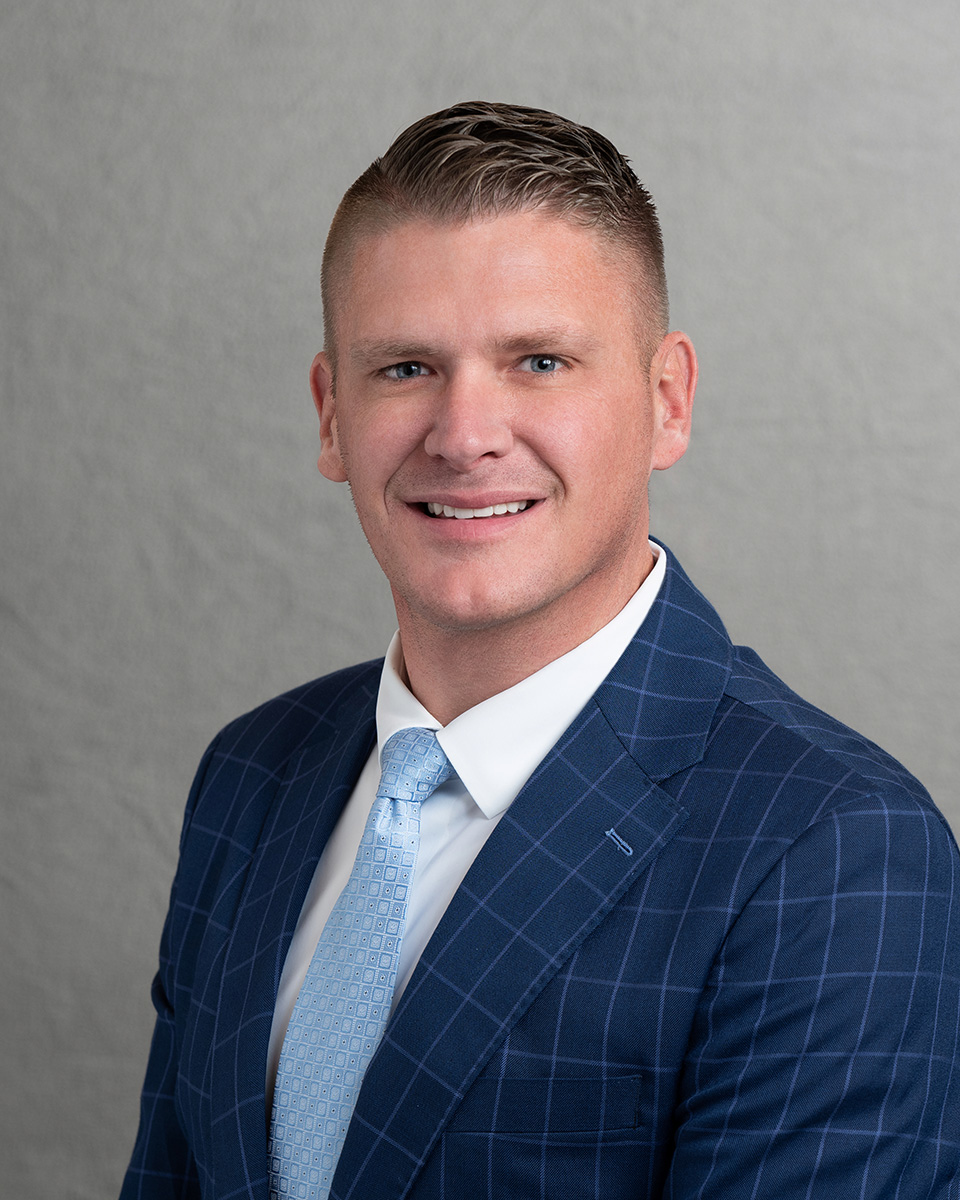
Lincoln Fillmore
92% support rate
Top opponent
Leah Hansen
9% support rate
Ranked legislators
10
5 support · 5 oppose
Key legislators

Who's moving criminal justice in Utah

Legislators moving criminal justice in Utah
Legislator Party Stance Support rate Votes
Lincoln Fillmore
Lincoln Fillmore Senate · District 17
R
Strong +
92% 79
Bridger Bolinder
Bridger Bolinder House · District 29
R
Strong +
91% 59
Dan McCay
Dan McCay Senate · District 18
R
Strong +
86% 81
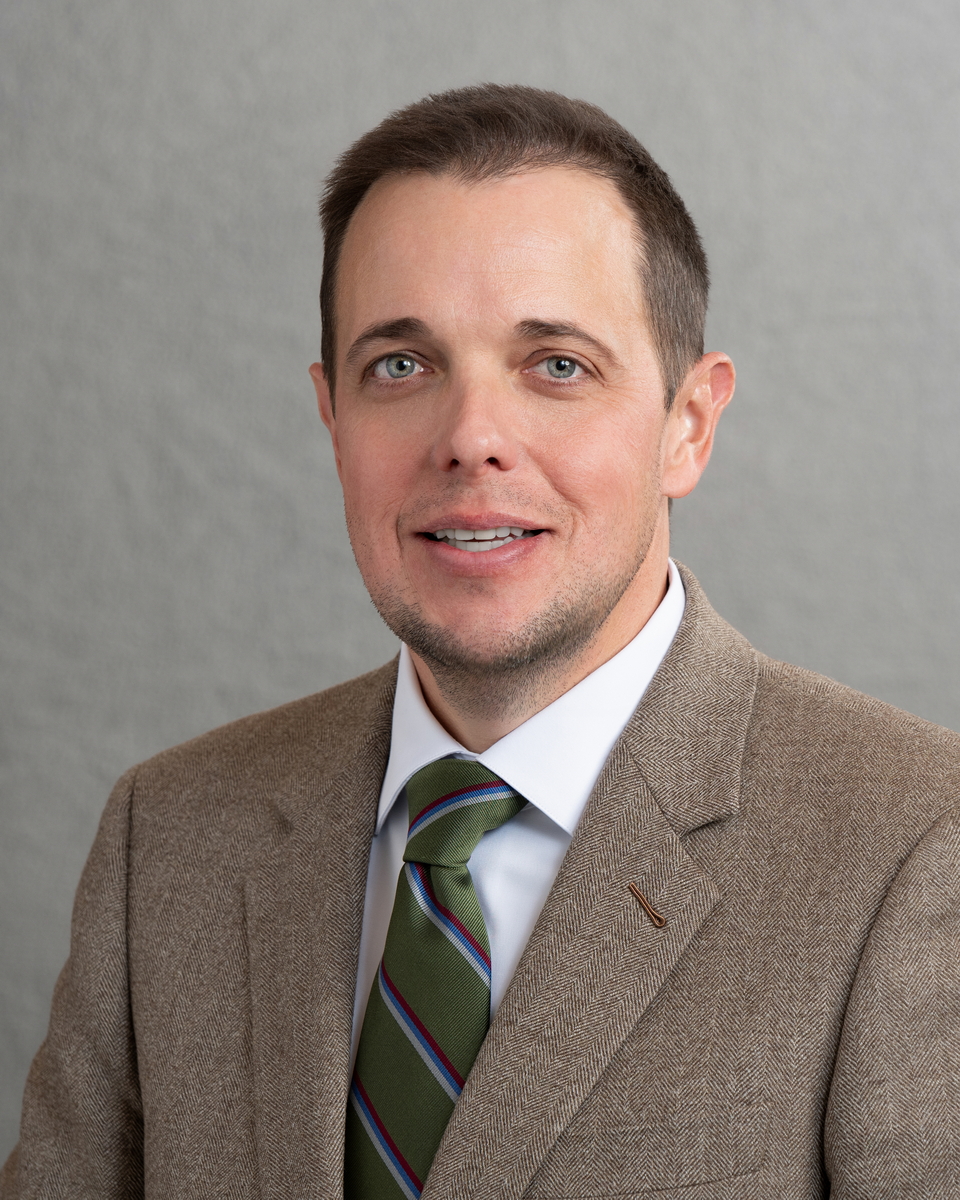
Ryan Wilcox
Ryan Wilcox House · District 7
R
Strong +
83% 60
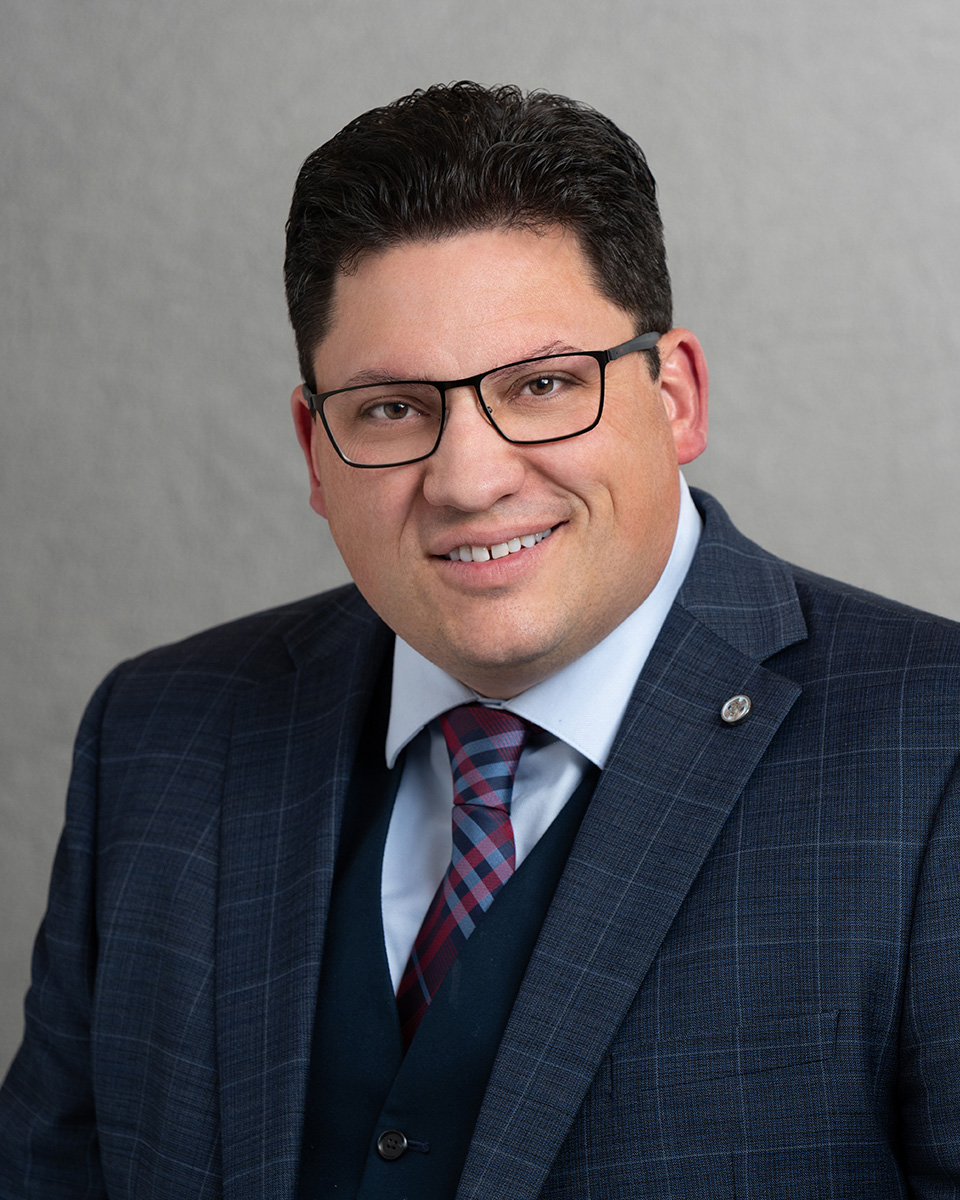
Jason Thompson
Jason Thompson House · District 3
R
Strong +
82% 60
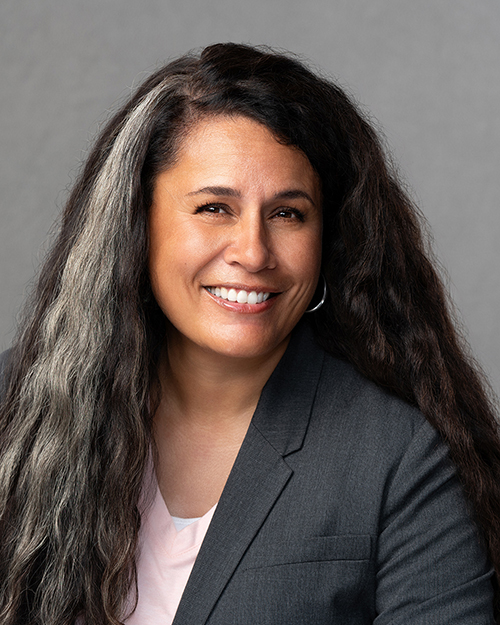
Leah Hansen
Leah Hansen House · District 51
R
Strong −
9% 63
Grant Miller
Grant Miller House · District 24
D
Strong −
17% 66
Verona Mauga
Verona Mauga House · District 31
D
Oppose
25% 62
Kathleen Riebe
Kathleen Riebe Senate · District 15
D
Oppose
27% 89
Nate Blouin
Nate Blouin Senate · District 13
D
Oppose
27% 94
Showing 11–20 of 20 bills

All criminal justice bills

signed · Utah · House Mar 23, 2026

HB 265: Non-nicotine Inhalation Product Amendments

HB 265 requires businesses to register non-nicotine inhalation products and substances (primarily cannabinoid-based products like CBD vaporizers) and imposes civil penalties for selling unregistered items. It creates a new criminal offense for illegally distributing cannabinoid inhalation products while clarifying that cannabinoid products do not include electronic cigarettes. The bill defines key terms like "cannabinoid product" and "artificially derived cannabinoid" to distinguish legal products from restricted substances. This applies directly to manufacturers, distributors, and retailers of these products in Utah, aiming to regulate the market under updated definitions.
signed · Utah · House Mar 24, 2026

HB 284: Murder Offense Amendments

HB 284 amends Utah's murder statute to clarify that a person can be charged with murder under "depraved indifference" without needing specific intent to kill a particular individual. It expands the list of predicate offenses (like aggravated child abuse, kidnapping, or armed robbery) that can trigger murder charges when someone dies during or immediately after committing those acts. The bill also modifies sentencing by requiring courts to consider special mitigation or affirmative defenses (like reasonable belief of justification) that could reduce a murder conviction to manslaughter. This change directly affects individuals charged with murder under these specific circumstances, particularly in cases involving the listed predicate offenses.
passed · Utah · House Mar 7, 2026

HB 183: Sex Designation Amendments

HB 183 amends Utah state laws to replace the term "gender" with "sex" in all relevant statutes and removes protections based on gender identity. It repeals existing provisions covering gender identity in housing, employment, and crime, prohibits changes to sex designations on birth certificates, and restricts student access to privacy spaces based on biological sex. The bill also requires state agencies to use "sex" instead of "gender" in rulemaking, bars certain employees in child-related roles from having face-to-face contact with children if their work presents a different sex than their biological sex, and directs courts to consider parental opposition to a child's gender identity (conflicting with biological sex) as a factor in custody decisions. These changes directly affect transgender and gender-diverse individuals, schools, healthcare providers, and courts handling custody cases. The bill contains no funding impacts and is currently in early legislative stages.
in committee · Utah · Senate Mar 7, 2026

SB 99: Emergency Reporting Offense Amendments

SB 99 amends Utah law to clarify and expand the offense of "emergency reporting abuse" by specifically prohibiting contacting 911 when someone knows or should know no actual emergency exists. It directly affects individuals who make repeated false 911 calls, including those who report non-existent emergencies after being previously warned by authorities. The bill adds a new provision (Section 76-9-105.5(2)(d)) making such conduct a class B misdemeanor, while false reports about weapons of mass destruction or sex-designated changing rooms remain second-degree felonies. It also requires courts to order convicted individuals to reimburse government or organizations for response costs incurred. The law takes effect May 6, 2026.
Tags Public Safety
signed · Utah · House Mar 24, 2026

HB 331: Criminal Offenses Modifications

HB 331 modifies Utah criminal law to clarify and expand certain offenses. It renames "threat of terrorism" to "terrorism" and clarifies the offense covers completed acts, not just threats. The bill creates new offenses including "unlawfully advancing foreign organizations" (e.g., aiding terrorist groups), "intentional concealment of identity" (e.g., wearing masks during crimes), and "unlawful deprivation of civil rights" (allowing victims to sue perpetrators). It also expands "aggravated disorderly conduct" to include blocking streets with two or more people. These changes directly affect individuals committing these specific criminal acts and apply to Utah state law.
Sub-Topics Civil Rights
signed · Utah · House Mar 26, 2026

HB 103: Underage Marriage Amendments

HB 103 creates new criminal offenses in Utah for marrying minors (under 18), transporting minors for illegal marriages, and traveling to marry minors, all classified as third-degree felonies. It also moves existing offenses - such as parents unlawfully consenting to a minor's marriage, officiating underage marriages without authorization, and fraudulently posing as a parent or guardian - into the criminal code. The bill extends the statute of limitations for these crimes to 15 years after the minor turns 18, allowing prosecution even if the marriage occurred years earlier. Additionally, it invalidates marriages involving minors performed in other states or countries unless they meet Utah’s specific requirements, directly affecting minors, individuals involved in such marriages, and marriage officiants.
in committee · Utah · Senate Mar 7, 2026

SB 48: Kratom Revisions

SB 48 amends Utah's controlled substances laws to regulate specific kratom compounds. It designates 7-hydroxymitragynine (if exceeding 2% concentration) and Mitragynine pseudoindoxyl (including synthetics) as Schedule I controlled substances. The bill requires kratom processors to label products with mitragynine and 7-hydroxymitragynine content and prohibits mixing kratom with harmful substances or selling unregistered products. Violations carry a class C misdemeanor penalty, directly affecting kratom businesses operating in Utah.
Sub-Topics Drug Policy
passed · Utah · House Mar 7, 2026

HB 116: Criminal Fines Amendments

HB 116 increases mandatory fines for certain prostitution-related offenses in Utah. It raises the minimum fine for patronizing an adult sex worker or exploiting prostitution from $5,000 to $10,000 for repeat offenders, and clarifies that higher fines ($20,000 minimum) for offenses involving children only apply to offenders aged 18 or older. The bill also requires courts to mandate completion of an educational program about prostitution's harms for all convicted offenders. These changes directly affect individuals convicted of specific sex crime offenses under Utah law, with no new state funding required.
Sub-Topics Human Trafficking
passed · Utah · House Mar 7, 2026

HB 114: Adult-oriented Performance and Material Amendments

HB 114 reorganizes Utah's laws on adult performances and materials by creating new standalone criminal offenses. It moves conduct like presenting pornographic performances in public places, aiding minors in such performances, and harmful performances near minors into separate charges, rather than grouping them under existing "distributing material" offenses. Penalties now vary by the actor's age (third-degree felony for adults, misdemeanors for minors), with specific fines and jail terms. The bill clarifies existing prohibitions - such as on school property or harmful material - without introducing new restrictions.
Sub-Topics Corrections
signed · Utah · House Mar 26, 2026

HB 113: Emergency Reporting Abuse Amendments

HB 113 amends Utah's criminal code to strengthen penalties for falsely reporting emergencies to 911 or emergency services. It increases punishments for making false reports - ranging from misdemeanors for basic false calls to felonies if the report causes serious harm, death, or involves weapons of mass destruction. The bill also adds new penalties for repeated false reports about sex-designated changing rooms and requires offenders to reimburse costs for emergency responses they triggered. If passed, it would take effect on May 6, 2026, and coordinates with a related bill (S.B. 99) to align penalty structures.
Tags Public Safety
Showing 11 to 20 of 20 bills