

Emergency Reporting Abuse Amendments
HB 113 amends Utah's criminal code to strengthen penalties for falsely reporting emergencies to 911 or emergency services. It increases punishments for making false reports - ranging from misdemeanors for basic false calls to felonies if the report causes serious harm, death, or involves weapons of mass destruction. The bill also adds new penalties for repeated false reports about sex-designated changing rooms and requires offenders to reimburse costs for emergency responses they triggered. If passed, it would take effect on May 6, 2026, and coordinates with a related bill (S.B. 99) to align penalty structures.
Bill status
signed
all 5 stages cleared
Introduction
Jan 2026
Committee Review
Feb 2026
House Passage
Mar 2026
Senate Passage
Mar 2026
Signed into Law
Mar 2026
Introduced Jan 20, 2026
Signed Mar 26, 2026
Maddy AI version diff · 3 comparisons
What changed between versions
Substitute #2
→
Enrolled
·
3 edits
·
Mar 26, 2026
MINOR
This bill amends Utah's emergency reporting abuse laws to clarify definitions and add a specific provision for contacting 911 when the caller knows no emergency exists. It also updates the effective date of the legislation from February 2026 to March 2026.
Scope change
The scope of the offense was expanded to explicitly include contacting 911 services when the actor knows no emergency, crime, or public safety threat exists, provided they have been previously informed that such circumstances are inappropriate for reporting.
DEFINITION
Reorganized the statute to move the definition of 'weapon of mass destruction' to the section where it is referenced for clarity.
REQUIREMENT
Added a new subsection requiring that a caller must have been previously informed by a dispatcher, officer, or prosecutor that their specific circumstance is not appropriate for 911 reporting before it constitutes an offense under the new 911 misuse provision.
TIMELINE
Changed the effective date of the bill from May 6, 2026, to March 12, 2026.
Floor votes · Senate Mar 6, 2026 · House Mar 6, 2026
How they voted
23–1
Passed · 5 other
Total votes 29
Mar 6, 2026
D
Democratic6
66% Yea
N
Forward1
100% Yea
R
Republican22
81% Yea
Vote distribution
All Yea
All Nay
Mixed
No data
Full legislative history
Actions timeline
Total actions
56
Key actions
10
Committee
6
Amendments
2
Mar 26, 2026
Signed into law
Governor Signed
executive
Mar 7, 2026
Lower · Passed
House/ signed by Speaker/ sent for enrolling
lower
Mar 7, 2026
Lower · Passed
Senate/ signed by President/ returned to House
lower
Mar 6, 2026
Senate · Passed
Senate Vote: pass (23-1-5)
senate
Mar 6, 2026
Upper · Passed
House/ concurs with Senate amendment
upper
Mar 6, 2026
Introduced
Senate/ to House with amendments
lower
Feb 26, 2026
Upper · Passed
Senate/ committee report favorable [Senate Judiciary, Law Enforcement, and Criminal Justice Committee]
upper
Feb 26, 2026
Upper · Passed
Senate Comm - Favorable Recommendation [Senate Judiciary, Law Enforcement, and Criminal Justice Committee]
upper
Feb 20, 2026
Committee
Senate/ to standing committee [Senate Judiciary, Law Enforcement, and Criminal Justice Committee]
upper
Feb 3, 2026
Introduced
Senate/ 1st reading (Introduced)
upper
Feb 3, 2026
Upper · Passed
House/ passed 3rd reading
upper
Jan 26, 2026
Lower · Passed
House/ comm rpt/ substituted [House Law Enforcement and Criminal Justice Committee]
lower
Jan 23, 2026
Lower · Passed
House Comm - Favorable Recommendation [House Law Enforcement and Criminal Justice Committee]
lower
Jan 22, 2026
Committee
House/ to standing committee [House Law Enforcement and Criminal Justice Committee]
lower
Jan 20, 2026
Introduced
House/ 1st reading (Introduced)
lower
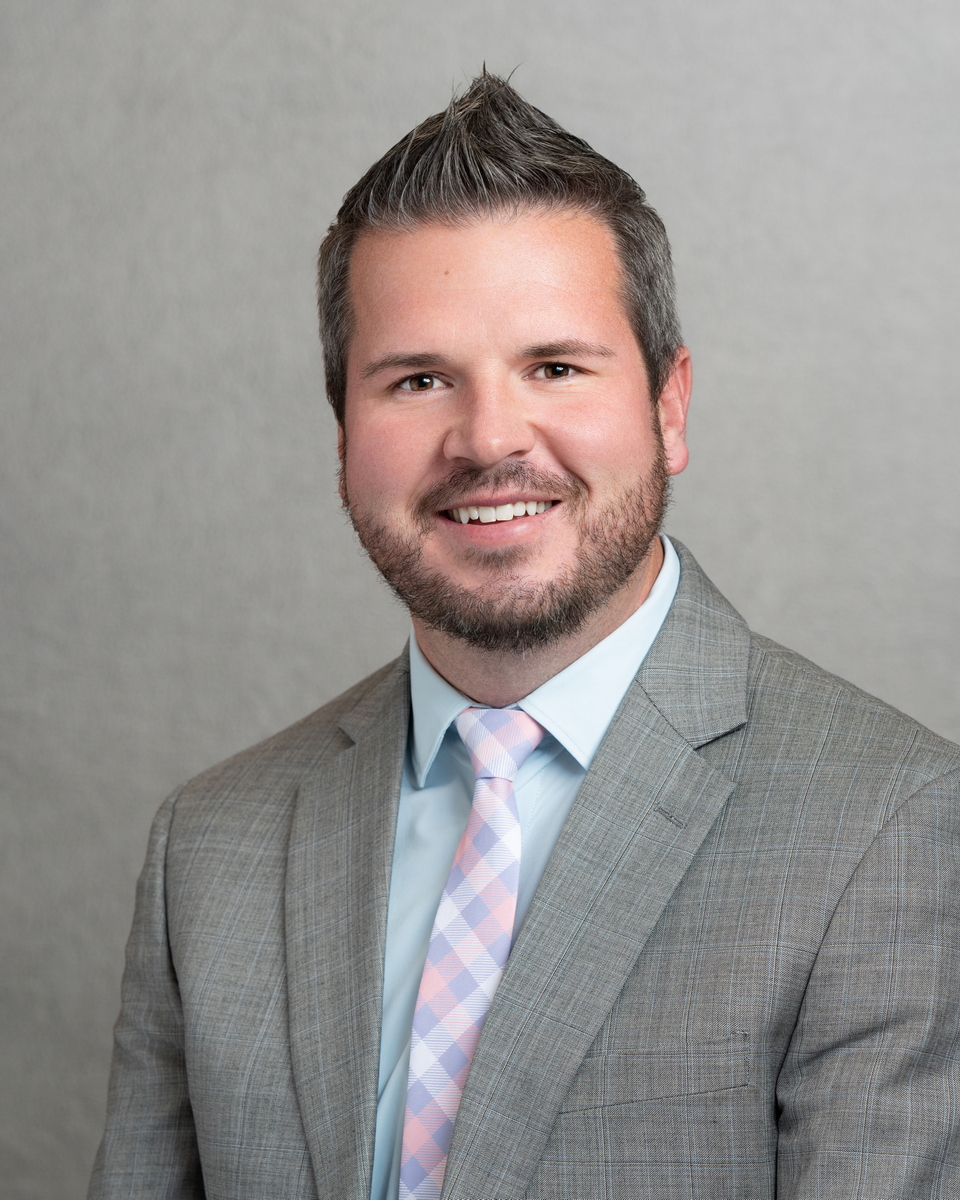
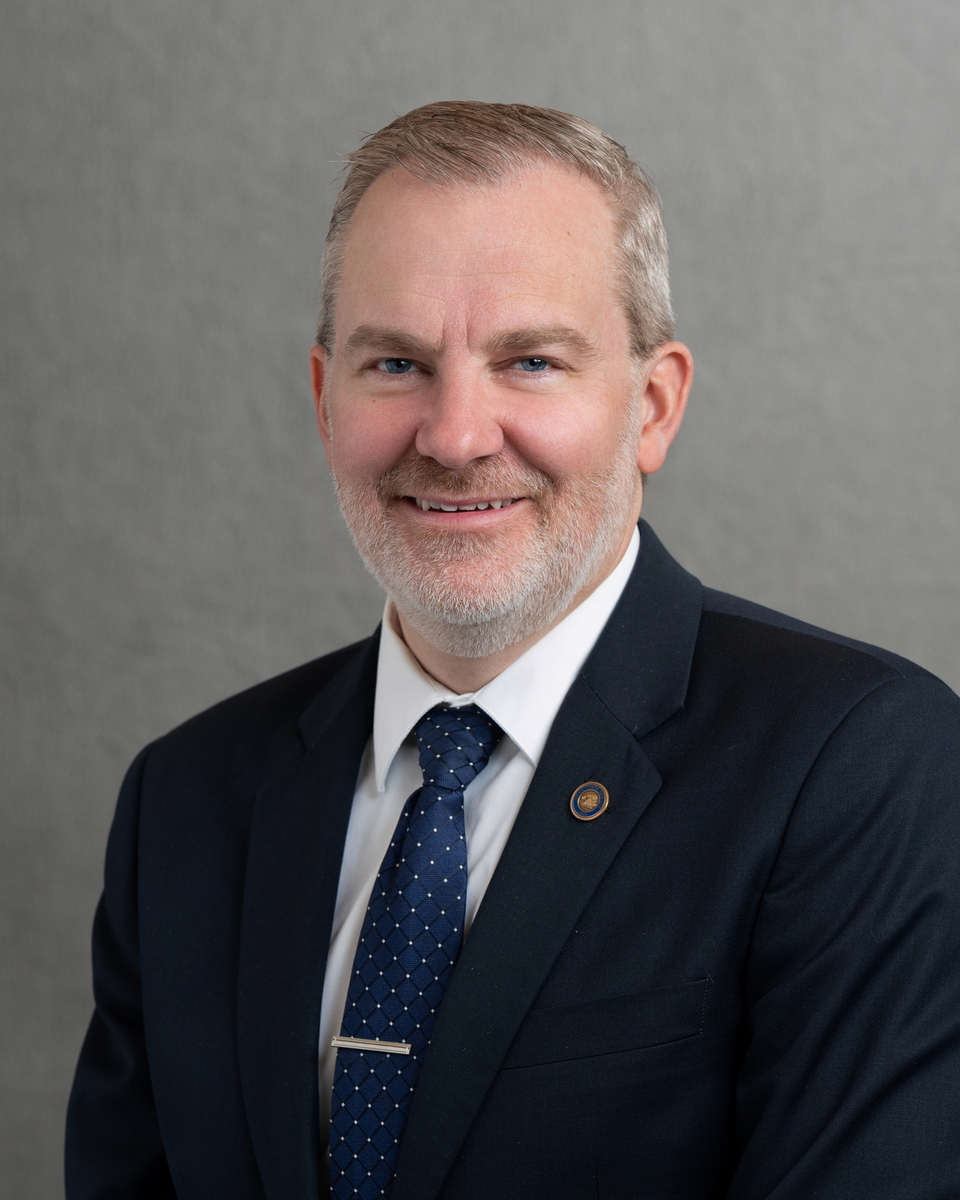
1 primary · 1 co-sponsor
Sponsors
Ask Maddy
·
AI policy assistant
Ask Maddy about HB 113
Scope: UT
Hi! I can help you understand HB 113. What would you like to know?
Try one of these
i
Maddy answers using official bill text and legislative records. Always verify before sharing.
Sources cited inline