

Issue · Budget & Taxes
Budget & Taxes
Every budget & taxes bill, vote, and legislator stance in Utah, automatically classified by Maddy, our AI policy reader.
Total bills
126
2026 General Session
Top supporter
Mike McKell
95% support rate
Top opponent
Leah Hansen
21% support rate
Ranked legislators
10
5 support · 5 oppose
Key legislators
Who's moving budget & taxes in Utah
| Legislator | Party | Stance | Support rate | Votes |
|---|---|---|---|---|
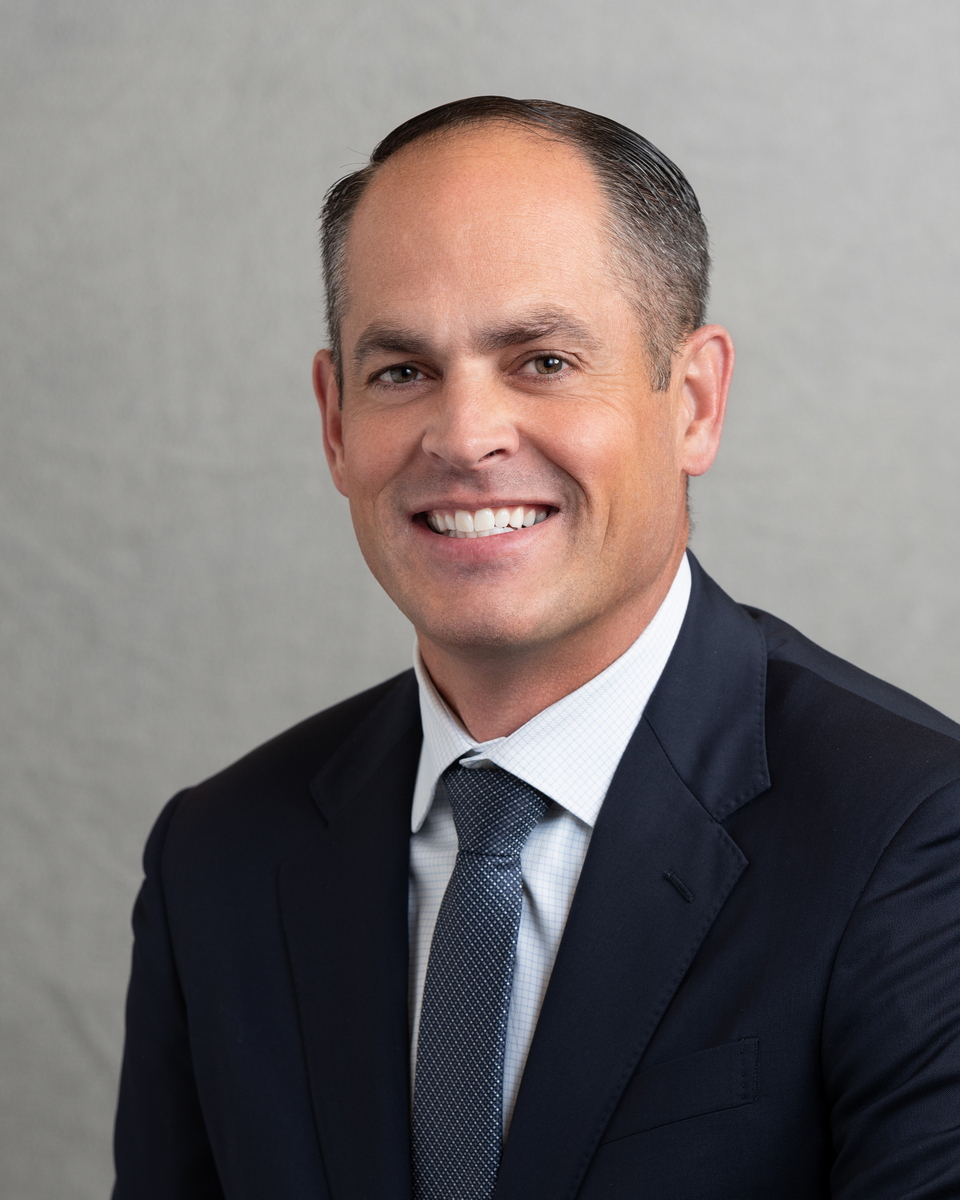
Mike McKell
Senate · District 25
|
R |
Strong +
|
95% | 94 |

Todd Weiler
Senate · District 8
|
R |
Strong +
|
93% | 109 |

Jerry Stevenson
Senate · District 6
|
R |
Strong +
|
91% | 88 |

Verona Mauga
House · District 31
|
D |
Strong +
|
89% | 83 |

Doug Welton
House · District 65
|
R |
Strong +
|
88% | 81 |
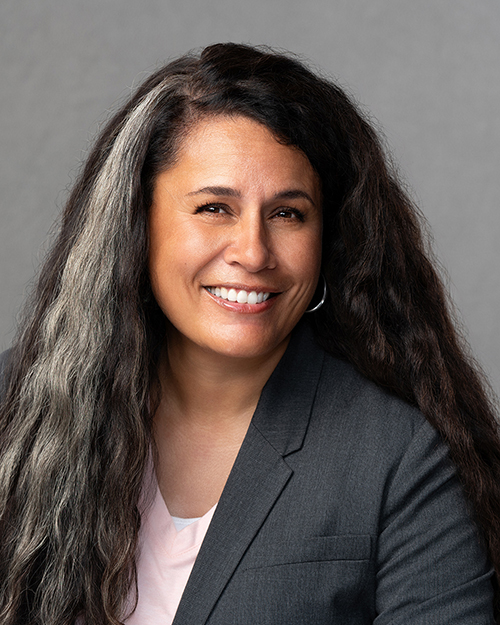
Leah Hansen
House · District 51
|
R |
Oppose
|
21% | 82 |

Rex Shipp
House · District 71
|
R |
Oppose
|
33% | 82 |

Norm Thurston
House · District 62
|
R |
Oppose
|
39% | 74 |

Tiara Auxier
House · District 4
|
R |
Oppose
|
40% | 74 |

Kathleen Riebe
Senate · District 15
|
D |
Mixed −
|
42% | 108 |
Showing 21–30 of 126
bills
All budget & taxes bills
SB 274: Supplemental Funding for Literacy Coaching
Topics
✓ Budget & TaxesSupports Budget & TaxesProvides supplemental state funding for literacy coaching in schools, directly increasing education budget allocation for K-12 programs based on student performance metrics.
✓ EducationSupports EducationSB 274 provides supplemental funding for literacy coaching in schools with below-average reading performance, directly advancing educational support through targeted financial resources to improve student outcomes in K-12 education.
SB 247: Road Funding Amendments
SB 254: Extracted Natural Resources Amendments
Topics
✓ Budget & TaxesSupports Budget & TaxesRedirects severance tax revenues to mineral development accounts and adjusts property taxes in zones, funding industry-specific development through tax reallocation.
✗ EnvironmentOpposes EnvironmentStreamlines mining permits and redirects funds to mineral development, prioritizing industry over environmental reviews with no environmental protection measures.
Sub-Topics
Business Taxes
HB 449: Utah Taxpayer Oversight of Government Spending Amendments
HB 484: Property Tax Changes
Topics
✗ Budget & TaxesOpposes Budget & TaxesCaps property tax increases at 20% without voter approval, restricting local tax authority and requiring voter consent for hikes exceeding limit.
✗ EducationOpposes EducationRestricts school district tax increases without voter approval and phases out excess state funding, limiting local revenue options and potential school funding.
SB 291: Student Transportation Amendments
Topics
✓ Budget & TaxesSupports Budget & TaxesBill expands state-funded transportation eligibility, increasing public service funding for student safety. Directly allocates state budget resources to cover more students under new criteria.
✓ EducationSupports EducationExpands state-funded bus eligibility for K-6/MS students in hazardous routes or beyond distance thresholds, improving school access and safety.
✓ TransportationSupports TransportationDefines hazardous routes (e.g., high-speed roads without sidewalks) and expands bus eligibility for safety, directly enhancing transportation safety standards.
HJR 20: Proposal to Amend Utah Constitution - Utah Taxpayer Oversight of Government Spending
SB 300: Single Payer Health Insurance Amendments
Topics
✓ Budget & TaxesSupports Budget & TaxesBill establishes new tax to fund state health program, directly addressing taxation and budget allocation for essential services.
✓ HealthcareSupports HealthcareEstablishes state-run health financing replacing Medicaid, expands coverage to all residents, creates new funding via tax, and transitions existing programs into unified system.
HB 462: School Bus Internet Access
Topics
✓ Budget & TaxesSupports Budget & TaxesBill allocates $325,000 grant for school bus internet, funding an education program through state budget appropriations.
✓ EducationSupports EducationProvides $325k grant for internet access on school buses in rural K-12 districts, enhancing educational access during transportation.
✓ TechnologySupports TechnologyFunds internet access on school buses for rural students, expanding connectivity and promoting digital equity in education.