

Maddy summaryThe PART Act (S 154) requires all new vehicles to have catalytic converters marked with unique VINs using durable, high-visibility stamping (via die/pin stamping and theft-deterrent paint) within 180 days of enactment. It creates a $7 million federal grant program to help dealers, repair shops, law enforcement, and nonprofits mark converters at no cost to vehicle owners, prioritizing high-theft areas. The bill also mandates sellers of catalytic converters to retain buyer identification and vehicle details for two years and adds criminal penalties (up to 5 years in prison) for stealing or trafficking in converters. Directly affecting manufacturers, dealers, repair shops, and sellers, the law targets converter theft through standardized marking, record-keeping, and new criminal offenses.
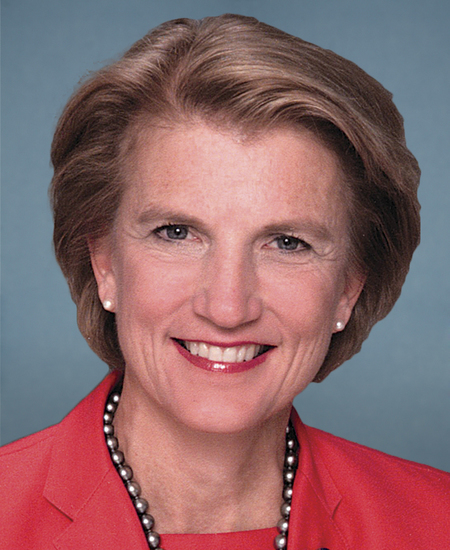
Sen. Shelley Moore Capito
Sponsored bills
Maddy summaryThe Rural Internet Improvement Act of 2023 updates the USDA's ReConnect Program to expand rural broadband access. It raises minimum broadband speed requirements from 10/1 Mbps to 25/3 Mbps for new projects (later increasing to 100/20 Mbps for future grants), directly affecting rural broadband providers applying for USDA grants, loans, or loan guarantees. Key provisions simplify applications by reducing required data, allowing bond ratings instead of full financial documentation, and preventing duplication of existing broadband infrastructure projects. The bill also requires annual public reports on project distribution, locations served, and service levels to ensure transparency.
Maddy summaryThis bill prohibits federal funds from covering abortions in most circumstances, including health benefits plans, with exceptions for cases of rape, incest, or when a pregnancy endangers a woman's life. It specifically bars the use of Affordable Care Act (ACA) premium tax credits and cost-sharing reductions for health plans that cover abortion, requiring insurers to disclose abortion coverage details separately in marketing materials. The law applies to all federal health programs and ACA marketplace plans, ensuring taxpayer dollars aren't used for abortion services or coverage. It does not affect private insurance plans purchased with non-federal funds or separate abortion coverage options.
Maddy summaryThis bill requires Congress to approve a budget resolution and pass all regular appropriations bills by October 1 each fiscal year. If Congress fails to meet this deadline, members of Congress (excluding the Vice President) would not receive pay for the period of non-compliance, with no retroactive payment allowed. The Budget and Appropriations Chairs in each chamber would determine compliance on October 1 and certify pay status. The law would take effect on September 30, 2025.
Maddy summaryThis bill prohibits the U.S. Department of Defense from requiring defense contractors to report greenhouse gas emissions. It specifically bans the Secretary of Defense from mandating any "greenhouse gas inventory" or reports on Scope 1, Scope 2, or Scope 3 emissions from contractors holding federal defense contracts. The law directly affects defense contractors who would otherwise have been required to track and disclose their emissions data. It removes a specific reporting requirement for contractors under Defense Department contracts, without altering other environmental regulations.
Maddy summaryThis bill raises the reporting threshold for payment platforms like PayPal or Venmo. It requires these platforms to report transaction data only if a business receives over $20,000 in payments across more than 200 transactions in a year. This change directly affects payment processors and their business users by reducing the volume of transactions they must report to the IRS.
Maddy summaryThis bill prohibits the U.S. Secretary of Energy from selling petroleum products from the Strategic Petroleum Reserve (SPR) to entities controlled by the Chinese Communist Party or to any buyer unless they guarantee the oil won't be exported to China. It directly affects the Department of Energy (which manages the SPR) and any companies or entities seeking to purchase SPR oil with potential Chinese ties. The key mechanism requires the Secretary to block sales to China-linked entities or impose strict export restrictions on all sales. The bill aims to prevent SPR oil from reaching China, without creating new programs or altering existing SPR management rules.
Childhood Cancer Survivorship, Treatment, Access, and Research Reauthorization Act of 2022 or the Childhood Cancer STAR Reauthorization Act This act reauthorizes through FY2028 and modifies pediatric cancer research and related programs, including to expand collection of and access to relevant biospecimens and to support the transition of pediatric cancer survivors to primary care.
Equal Pay for Team USA Act of 2022 This bill requires that all athletes representing the United States in international amateur athletic competitions receive equal compensation and benefits for their work, regardless of gender. Specifically, the bill requires, for a sport for which the U.S. Olympic and Paralympic Committees (the corporation) conduct separate programs for female and male athletes who represent the United States in international amateur athletic events, from funds directly provided by the corporation to the athlete (with exceptions), that there be equivalent and nondiscriminatory compensation, wages, benefits, medical care, travel arrangements, and payment or reimbursement for expenses. It shall be permissible to (1) consider merit, performance, seniority, or quantity of play in determining contract or other terms of participation; and (2) provide more beneficial terms of participation to athletes to address disparities in outside income, or the need to foster underdeveloped programs or address documented and justifiable personal need on the part of specific athletes or teams. The corporation must take all reasonable steps to advocate to international sports federations and other event organizers to equalize prizes, compensation, funding, and other support provided to athletes by such federations and organizers. The corporation must report to Congress at least annually on compliance. Each report must include detailed information on the median, minimum, and maximum stipends and bonuses provided to athletes, disaggregated by gender, race, and status of participation on a professional sports team. The bill requires full compliance within one year of this bill's enactment.
National Heritage Area Act This act establishes a National Heritage Area System. The Department of the Interior may provide technical and financial assistance to local coordinating entities to support the establishment, development, and continuity of such areas. The National Heritage Area System shall be composed of each National Heritage Area, National Heritage Corridor, National Heritage Canalway, Cultural Heritage Corridor, National Heritage Route, and National Heritage Partnership designated by Congress before or on enactment of this act; and each National Heritage Area designated by Congress after enactment of this act. A National Heritage Area shall not be considered to be a unit of the National Park System nor subject to the authorities applicable to such units. Interior may carry out or review a study to assess the suitability and feasibility of each proposed heritage area for designation as a National Heritage Area. Interior must review and certify whether the proposed area meets specified requirements, including that it has natural, historic, and cultural resources that represent distinctive aspects of the heritage of the United States. An area shall be designated as a National Heritage Area only by an act of Congress. Interior shall conduct studies to assess the suitability and feasibility of designating specified areas in Hawaii as the Kaena Point National Heritage Area and in Virginia and North Carolina as the Great Dismal Swamp National Heritage Area. The act also (1) establishes or extends specified National Heritage Areas, (2) redesignates the America's Agricultural Heritage Partnership in Iowa as the Silos & Smokestacks National Heritage Area, and (3) extends the deadline for the management plans for certain heritage areas.