

Maddy summaryThis bill authorizes the U.S. Mint to produce commemorative coins for the 2028 Los Angeles Olympic and Paralympic Games. It specifies four coin types ($5 gold, $1 silver, half-dollar clad, and proof silver $1) with set mintage limits, design requirements (including "2028" and "Liberty" inscriptions), and a 1-year issuance window starting January 1, 2028. All coins include surcharges ($5-$50 per coin) that fund the U.S. Olympic and Paralympic Committee for the Games and legacy programs like youth sports promotion. The coins are legal tender but sold at face value plus surcharge and production costs, with no net cost to the federal government.
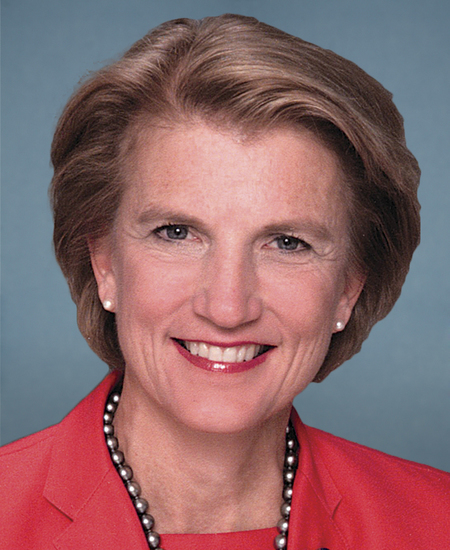
Sen. Shelley Moore Capito
Sponsored bills
Maddy summaryS 2323, the Access to Genetic Counselor Services Act of 2023, requires Medicare to cover genetic counseling services provided by licensed genetic counselors starting January 1, 2024. It establishes that these services must be paid at 85% of the physician rate for equivalent services and mandates a new billing modifier to identify genetic counselor services. The bill directly affects Medicare beneficiaries seeking genetic counseling and genetic counselors who can now bill Medicare directly under defined licensing or federal criteria. Key provisions include amending Medicare payment rules to treat genetic counselor services similarly to nurse practitioner services for reimbursement purposes. The law does not change who can provide genetic counseling but ensures Medicare covers it when delivered by qualified genetic counselors.
Maddy summaryThis bill authorizes $30 million annually (2024-2028) for National Institutes of Health research on uterine fibroids, addressing a condition affecting 26 million U.S. women and disproportionately impacting Black women. It requires the creation of a Medicaid database to track treatment costs and coverage for fibroid care, and mandates the development of public education materials about fibroid symptoms, treatment options (including non-hysterectomy approaches), and racial disparities. The bill also directs the Department of Health and Human Services to promote evidence-based care for healthcare providers through partnerships with medical societies. These provisions aim to improve research, data collection, and patient education for a condition that causes significant health burdens, hospitalizations, and costs estimated at $5.9-34.4 billion annually.
Maddy summaryThe Driving for Opportunity Act of 2023 (S 2313) provides federal grants to states that repeal laws allowing driver’s license suspensions for unpaid civil or criminal fines and fees (e.g., traffic tickets, child support). It directly affects millions of people - particularly in rural areas without public transit - who face license suspensions for non-driving-related debt, trapping them in poverty by blocking access to jobs and essential services. The bill’s key mechanism is funding states to reinstate licenses and vehicle registrations suspended for these reasons, with requirements to maximize eligibility, assist those in transportation-limited areas, and report on program outcomes. States must first repeal such suspension laws to qualify for grants, which cover costs of reinstatement and must be reported on annually. The law aims to reduce a widespread "poverty trap" while redirecting law enforcement resources from non-safety-related suspensions.
Maddy summaryS 928, the "Not Just a Number Act," requires the Department of Veterans Affairs (VA) to publish an annual report on veteran suicide rates starting 18 months after enactment. The report must include detailed data broken down by age, gender, and race/ethnicity, plus comparisons between veterans who used VA health services (like Vet Centers or mental health care) versus those who did not, and veterans engaged with VA benefits programs (such as education assistance, disability compensation, or housing loans). The bill also mandates a toolkit for state/local coroners to better identify and report veteran suicides, and a study on creating a dedicated VA suicide prevention office. These requirements aim to improve data collection, analysis, and reporting on veteran suicide trends to inform prevention strategies.
Maddy summaryThis bill requires federal health agencies to conduct an interagency review focused on accelerating research into lung cancer's disproportionate impact on women (particularly never-smokers), improving access to lung cancer screening services, and developing public awareness campaigns. The review, led by the HHS Secretary with Defense and VA collaboration, must identify research gaps, collaborative strategies, and infrastructure needs for screening expansion. It mandates a report to Congress within one year of enactment detailing findings and recommendations. The bill directly affects women's health outcomes by targeting systemic improvements in lung cancer prevention and early detection.
Maddy summaryThis bill creates federal grant programs to expand education and training for health professionals in palliative care and hospice services. It establishes requirements for training programs to emphasize interprofessional team-based care, patient and family engagement, and addressing gaps in care for individuals with serious or life-threatening illnesses. The bill prioritizes programs serving rural areas, medically underserved populations, pediatric patients, and racial/ethnic minorities, and authorizes $15 million annually for 2024-2028 to support these initiatives. It also includes provisions for disseminating palliative care information to patients, families, and health professionals through federal agencies.
Maddy summaryThis bill extends the deadline for chemical facilities to comply with federal security standards under the Department of Homeland Security's program. It changes the compliance date from July 27, 2023, to October 1, 2028, affecting facilities currently regulated under the 2014 law. The key provision simply modifies the existing timeline without altering the security requirements themselves. This procedural change provides additional time for affected facilities to meet the established safety protocols.
Maddy summaryThis Senate resolution (SRES 280) designates May 2023 as National Foster Care Month to raise public awareness about challenges faced by children in foster care. It encourages Congress to develop policies improving outcomes for these children, without specifying new laws or funding. The resolution highlights issues like educational instability, lengthy stays in care, and the need for family reunification support, but does not create binding requirements. It focuses on recognition - honoring foster parents, youth resilience, and child welfare workers - rather than enacting policy changes. As a procedural resolution, it serves as a symbolic call to action, not a legislative measure with concrete policy effects.
Maddy summaryThis bill requires the President, Vice President, and certain political appointees (including senior executive staff, ambassadors, and their non-Foreign Service aides) to report fossil fuel-powered official travel. Officials must submit details like travel routes, mode of transport, distance, estimated carbon emissions, and any emission-reduction actions taken. The Office of Management and Budget will compile this data into a public, searchable database updated monthly, with exceptions for national security risks. The law mandates this reporting to increase transparency about government emissions from travel, without changing emissions standards or requiring new environmental actions.