

Maddy summaryS 898, the UNRWA Funding Emergency Restoration Act of 2025, directs the U.S. government to immediately restore funding to the United Nations Relief and Works Agency for Palestine Refugees (UNRWA) by repealing two 2024 appropriations acts that blocked payments and rescinding a February 2025 executive order ending UNRWA support. The bill requires the Secretary of State to resume funding under existing authorities and ensure continued support is tied to UNRWA’s implementation of accountability reforms from the Catherine Colonna review. It directly affects UNRWA’s ability to deliver humanitarian aid to Palestinian refugees across Gaza, Jordan, Lebanon, Syria, and the West Bank (including East Jerusalem). The legislation mandates quarterly reports to Congress through 2028 tracking UNRWA’s progress on these reforms.
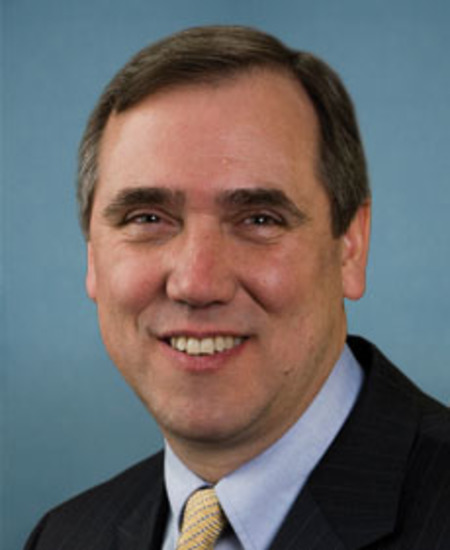
Sen. Jeff Merkley
Sponsored bills
Maddy summaryS 897, the Farewell to Foam Act of 2025, bans the sale and distribution of expanded polystyrene food service ware (like single-use cups, trays, and takeout containers), expanded polystyrene loose fill (packing peanuts), and expanded polystyrene coolers starting January 1, 2028. It directly affects food service providers (restaurants, schools, grocery stores), manufacturers, distributors, and retailers who sell or handle these products. The bill excludes coolers used for medical products or drugs and defines covered items to clarify what is prohibited. This policy change aims to reduce non-recyclable foam waste by prohibiting specific foam products in the food service and packaging industries.
Maddy summaryThis bill, the Richard L. Trumka Protecting the Right to Organize Act of 2025, aims to strengthen workers' rights to organize and bargain collectively. It would make it harder for employers to classify workers as independent contractors by changing the definition of "employee," restricts employers from threatening to permanently replace workers who strike, and prohibits them from requiring employees to give up their right to pursue class or collective claims. The bill also changes election procedures to make it easier for workers to form unions, requires employers to post notices about workers' rights in conspicuous locations, and increases penalties for unfair labor practices. It directly affects employers and workers across various industries by altering the landscape of labor organizing and collective bargaining.
Broadcast Freedom and Independence Act of 2025 This bill prohibits the Federal Communications Commission (FCC) from taking action against or imposing certain conditions on individuals on the basis of viewpoints broadcast or disseminated by the individuals or their affiliates. Specifically, the FCC may not revoke a license or authorization of, or otherwise take action against, an individual or entity on the basis of viewpoints broadcast or otherwise disseminated by the individual or entity or an affiliate thereof. Further, the FCC may not impose conditions on its approval of certain transactions on the basis of viewpoints broadcast or otherwise disseminated by the individual or entity seeking approval of the transaction, or an affiliate thereof. Under the bill, the FCC retains its authority to take action or impose conditions on the basis of (1) violations of certain existing laws regarding lottery information, fraud, and obscene language; or (2) the broadcast or other dissemination of content that constitutes incitement under the First Amendment.
Maddy summarySRES 105 is a Senate resolution condemning the February 2025 mass terminations of 2,400 Department of Veterans Affairs (VA) employees by Secretary Doug Collins, without justification or analysis of impacts on veterans. The resolution states the Senate opposes these terminations - specifically noting the lack of transparency about effects on critical services like mental health care, claims processing, and cybersecurity - and calls for all affected employees to be reinstated. This resolution does not change VA policy but expresses the Senate’s formal disapproval of the terminations and demands accountability. It was introduced by 30 Senators on March 4, 2025.
Maddy summaryThis bill repeals four executive orders issued on January 20, 2025, which related to energy policy and environmental agreements. It directly affects federal agencies responsible for implementing those orders, prohibiting the use of federal funds for any of their provisions. The key mechanism is an immediate ban on funding for the orders' implementation upon the bill's enactment, effectively canceling their legal force.
Maddy summaryThe Digital Integrity in Democracy Act (S 840) amends Section 230 of the Communications Act to create a limited exception to social media platform liability protection. It requires large platforms (with ≥25 million U.S. monthly users) to remove "false election administration information" within 24-48 hours after receiving a valid complaint - defined as objectively incorrect facts about election timing, location, voter eligibility, or penalties, but excluding political speech about candidates or parties. Platforms face $50,000 fines per violation for failing to remove such content, with enforcement by the Attorney General, states, or candidates. The law applies only to factual misinformation about election administration, not opinions or political advocacy.
Maddy summaryThe Faster Labor Contracts Act requires employers and newly certified unions to begin negotiating an initial collective bargaining agreement within 10 days of a written request. If no agreement is reached within 90 days, the parties may request mediation from the Federal Mediation and Conciliation Service, which must act within 30 days. If mediation fails, the dispute moves to a binding arbitration panel whose decision - based on factors like employer finances, business type, and industry wages - remains enforceable for two years. This law directly affects employees represented by newly certified unions and their employers by reducing delays in securing first contracts, which historically averaged 465 days.
Maddy summaryThis bill closes tax loopholes by equalizing excise tax rates across all tobacco products. It increases cigarette taxes to $100.66 per pack, matches pipe tobacco tax to $49.56 per pound, sets smokeless tobacco at $26.84 per pound (with a new $100.66 tax per thousand single-use units), and imposes a new tax of $50.33 per 1,810 milligrams on nicotine for vaping products. The bill also establishes an annual inflation adjustment for tax rates starting in 2026 and requires manufacturers of nicotine to pay the tax unless products are FDA-approved for medical use. These changes primarily affect tobacco manufacturers and importers who will pay higher taxes on their products.
Maddy summaryThe Invest to Protect Act of 2025 establishes a federal grant program to support local law enforcement agencies with fewer than 175 officers. Eligible communities - including counties, municipalities, and Tribal governments - can use funds for de-escalation training, mental health and domestic violence response training, officer retention bonuses, graduate education stipends, and access to behavioral health services for officers. The program requires grantees to report on outcomes and publicly disclose bonus amounts, with strict audit requirements to prevent misuse of funds. It authorizes $50 million annually from 2026 to 2030 to advance these concrete safety and support initiatives.