

Maddy summarySRES 172 is a symbolic Senate resolution designating the week of April 11-17, 2025, as the eighth annual "Black Maternal Health Week," established by the Black Mamas Matter Alliance, Inc. It aims to raise national awareness about the severe maternal health disparities affecting Black women and birthing people in the U.S., citing data showing Black women are 2-3 times more likely to die from pregnancy-related causes than white women. The resolution does not create new laws or allocate funding but formally recognizes systemic inequities, such as the 2023 maternal mortality rate of 50.3 deaths per 100,000 live births for Black women, and emphasizes the need for culturally responsive care. It serves as a platform to amplify community-led efforts and policy solutions, like the Black Maternal Health Momnibus Act, without implementing direct policy changes.
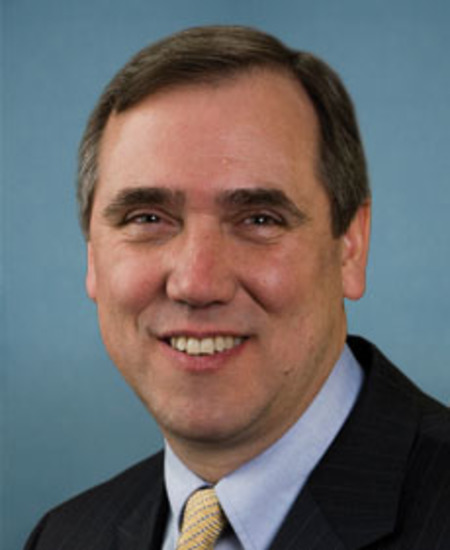
Sen. Jeff Merkley
Sponsored bills
Maddy summaryThis resolution designates the week of April 19-27, 2025, as "National Park Week" in the U.S. Senate. It encourages the public to responsibly visit, experience, and support national parks across the United States. The resolution highlights the National Park System’s role in preserving natural and cultural resources while acknowledging its economic impact and recreational value. It does not create new laws or alter funding, focusing solely on recognition and public engagement.
Maddy summaryThis bill enhances the Child and Dependent Care Tax Credit to help more families afford childcare. It increases the credit percentage to 50% for lower-income families (up from 35%), raises the income threshold for full credit ($125,000 to $400,000 phaseout), and doubles the maximum credit amounts ($3,000/$6,000 to $8,000/$16,000 for one/two or more children). The credit becomes refundable for qualifying families, meaning those who owe little or no income tax can receive the full credit as a refund. It also includes annual inflation adjustments to maintain the credit's value over time.
Maddy summaryThis bill prohibits new oil and gas exploration, development, and production on the federal outer continental shelf off California, Oregon, and Washington. It amends the Outer Continental Shelf Lands Act to block the Secretary from issuing any new leases or authorizations in four specific planning areas: Washington/Oregon, Northern California, Central California, and Southern California. These areas are defined by the 2023 Bureau of Ocean Energy Management leasing program. The bill directly affects oil and gas companies seeking to operate in these coastal zones, preventing new federal leasing activities.
Maddy summaryS 1445, the Stop Arctic Ocean Drilling Act of 2025, prohibits the U.S. government from leasing or authorizing oil and gas exploration, development, or production in Arctic areas of the outer Continental Shelf. The bill directly affects federal agencies, specifically the Secretary of the Interior, by blocking new leases or extensions for oil and gas activities in these sensitive Arctic waters. It amends the Outer Continental Shelf Lands Act to add a permanent prohibition, overriding existing laws, with the Arctic defined per the 1984 Arctic Research and Policy Act. This bill would prevent future drilling permits in the Arctic Ocean region without requiring new congressional action.
Maddy summaryThe Clean Energy Victory Bond Act of 2025 would authorize the U.S. Treasury to issue savings bonds (starting at $25) to the public, with annual proceeds capped at $50 billion. These bonds would fund clean energy projects - including solar/wind installations, energy-efficient buildings, electric vehicle infrastructure, and grid improvements - while requiring at least 40% of funds to support disadvantaged communities with high pollution burdens or low-income residents. Proceeds would finance federal, state, and local clean energy initiatives without direct taxpayer spending, relying on future economic benefits and tax revenue from funded projects. The bonds would carry interest based partly on energy savings achieved, mirroring WWII Victory Bonds’ public engagement model.
Maddy summaryThe FIGHT Act of 2025 amends the Animal Welfare Act to ban gambling on animal fighting events (including broadcasts), prohibit transporting roosters (defined as male chickens over 6 months old) for fighting, and make it illegal to sponsor, exhibit, or allow minors under 16 to attend such events. It allows citizens to file civil lawsuits to stop violations after 60 days' notice to authorities, with fines up to $5,000 per violation. The law also permits seizure of property used to facilitate violations, such as land or buildings. It does not override state or local laws on animal fighting unless there is a direct conflict.
Climate Change Financial Risk Act of 2025 This bill addresses climate change risk and its potential impact on the financial system. The Federal Reserve Board must develop financial risk analyses relating to climate change for certain large nonbank financial companies and bank holding companies. Specifically, these entities must be evaluated every two years on whether they have the capital necessary to absorb financial losses that would arise under several different climate change risk scenarios. In response to the results of the evaluation, entities must develop and submit for approval a climate risk resolution plan. The plan must include a capital policy with respect to climate risk planning and targets to remedy identified vulnerabilities. If the plan is not approved, the entity’s ability to make capital distributions is restricted. The bill also establishes the Climate Risk Scenario Technical Development Group to provide recommendations to the board regarding climate change risk scenarios, and determine the financial and economic risks of these scenarios. The board must develop a survey to assess (1) the ability of other large financial institutions to withstand each scenario, (2) which surveyed entities have activities in geographical areas or industries that are significantly exposed to the impacts of climate change, and (3) how these surveyed entities plan to adapt to risks presented in each scenario.
Maddy summaryThis bill makes the federal adoption tax credit refundable, allowing eligible taxpayers to receive a refund even if they owe no income tax. It directly affects families who paid qualified adoption expenses (like court fees or agency costs) but previously couldn't claim the full credit due to its non-refundable status. Key provisions include redesignating the credit in tax law as "section 36C" (making it refundable), adding standardized third-party affidavits to verify adoptions, and ensuring existing credit carryforwards are treated as refundable starting in 2025. The changes take effect for tax years beginning after December 31, 2024.
Maddy summaryThe COAST Anti-Drilling Act of 2025 prohibits new oil and gas leasing in four specific coastal planning areas of the outer Continental Shelf: the North Atlantic, Mid-Atlantic, South Atlantic, and Straits of Florida. It amends the Outer Continental Shelf Lands Act to require the Secretary not to issue any leases or authorizations for exploration or production in these areas. The bill directly affects oil and gas companies seeking to develop resources in these coastal regions by blocking new federal leasing activities. This policy change prevents future drilling permits in these designated zones, as defined in the 2023 Bureau of Ocean Energy Management leasing program.