

Maddy summaryThis bill prohibits states from restricting or interfering with lawful reproductive health care services (including abortion, contraception, and related care) provided by health care providers like doctors, nurses, and pharmacists in states where such services are legal. It creates federal enforcement mechanisms, allowing the Attorney General, providers, or affected individuals to sue states or officials enforcing violating laws and seek court orders to stop such restrictions. The bill also blocks federal funding for states pursuing legal actions against providers offering lawful reproductive care and allocates $40 million for legal defense grants to providers and $40 million for security grants to protect facilities and patients. It explicitly prevents health insurance companies from denying coverage or suing providers solely for offering lawful reproductive services.
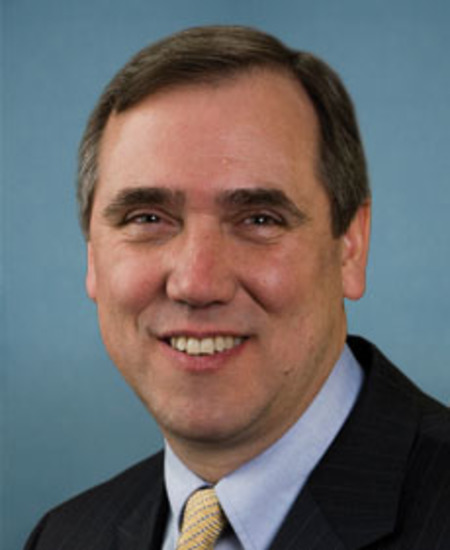
Sen. Jeff Merkley
Sponsored bills
Maddy summaryS 1317 establishes a National Center on Antiracism and Health within the CDC to address structural racism as a public health crisis. The Center will research how racism impacts health outcomes for communities of color, collect disaggregated data (by race, ethnicity, gender identity, disability, etc.), develop antiracist interventions, and train public health professionals. It also creates a CDC program to study police violence as a public health issue, requiring research on law enforcement's health impacts and data collection on police brutality. The bill directly affects communities experiencing health disparities due to racism and requires federal agencies to integrate antiracist approaches into public health work.
Maddy summaryThis bill would designate approximately 1.3 million acres of public land across Utah's Colorado Plateau and Great Basin regions as wilderness areas, protecting them from development and extractive industries. It specifically creates 77 wilderness areas across eight designated regions including the Grand Staircase-Escalante, Moab-La Sal Canyons, Henry Mountains, and San Rafael Swell areas. The bill maintains existing recreational uses like hiking, camping, and fishing while allowing continued livestock grazing under certain conditions and protecting water rights and Tribal cultural resources. It withdraws the designated lands from mining, mineral leasing, and other forms of development under federal law. The Bureau of Land Management would manage these areas according to wilderness preservation standards under the Wilderness Act.
Maddy summaryThe Caring for Survivors Act of 2023 (S 414) increases monthly payments for surviving spouses of veterans. It changes how dependency and indemnity compensation is calculated, replacing a fixed amount with 55% of another veterans' compensation rate, and ensures survivors whose veterans died before January 1, 1993, receive the higher of the old or new payment amount. The bill also modifies rules for survivors of veterans who were totally disabled at death, reducing the required continuous disability rating period from 10 to 5 years, with payments adjusted proportionally for shorter periods. These changes directly affect surviving spouses of veterans, particularly those with veterans who died prior to 1993 or who had shorter disability ratings before death. The bill takes effect six months after enactment.
Maddy summarySRES 173 is a non-binding Senate resolution recognizing the Federal Government's duty to develop a Green New Deal framework. It calls for a 10-year national mobilization to achieve climate and social goals, including 100% clean energy by 2030, job creation in clean industries, and infrastructure upgrades to address climate impacts. The resolution emphasizes protecting frontline and vulnerable communities - such as communities of color, low-income workers, and indigenous peoples - by requiring inclusive planning and ensuring no adverse effects from climate policies. While not a law, it sets policy direction for future legislation to achieve climate targets, economic equity, and environmental justice for all Americans.
Maddy summaryThis bill amends the Federal Employees Health Benefits (FEHB) program to add "assisted reproductive treatment benefits" to covered services. It directly affects federal employees and their families who use reproductive technologies like IVF, egg/sperm preservation, or artificial insemination, making these treatments eligible for coverage under their FEHB health plans. The bill defines "assisted reproductive treatment" to include specific procedures (e.g., IVF, sperm/egg preservation, intrauterine insemination) and grants the Office of Personnel Management Director authority to add additional covered treatments. The changes would take effect one year after the bill is enacted. This is a policy change expanding existing health benefits, not a procedural or commemorative measure.
Maddy summaryThis bill limits attorney fees for veterans pursuing claims related to water contamination at Camp Lejeune, North Carolina. It caps fees at 20% of settlements resolved within 180 days or 33.3% for claims resolved after litigation begins. All settlement funds must be deposited into a trust account for the veteran first, with attorneys only paid after the veteran receives their full share. The bill also adds penalties, including $5,000 fines, for attorneys exceeding these fee limits or violating the trust account rules.
Maddy summaryThe Love Lives On Act of 2023 restores survivor benefits for veterans' spouses who remarried before age 55 and before the bill's enactment, which they previously lost due to remarriage. It removes an expiration date for the Marine Gunnery Sergeant John David Fry Scholarship for surviving spouses and expands access to military commissaries and exchanges for remarried surviving spouses. The bill also extends TRICARE coverage to include remarried widows or widowers whose subsequent marriage ended.
Maddy summaryThis bill amends the Grand Ronde Reservation Act to clarify the legal framework for the Confederated Tribes of the Grand Ronde Community's hunting, fishing, trapping, and animal gathering rights in Oregon. It specifies that the existing Grand Ronde Hunting and Fishing Agreement remains in effect until replaced by a new government-to-government agreement between the tribe and Oregon, which cannot limit tribal rights or treaty claims. The bill also requires that all rights under future agreements derive solely from Oregon's authority and changes court procedures to allow direct review of challenges to the agreement without using legal defenses like res judicata. This directly affects the Confederated Tribes of Grand Ronde and Oregon's management of wildlife resources.
Maddy summaryThe SMART Prices Act changes how Medicare negotiates drug prices. It repeals a rule blocking Medicare from negotiating with drugmakers and accelerates the process, requiring negotiations for 40 drugs starting in 2027 (up from 10 annually). It shortens the time drugs must be single-source to qualify for negotiation (from 7 to 3 years) and adjusts price negotiation formulas, setting new caps like 76% of the drug's average price for some medications. This directly affects Medicare beneficiaries (by lowering their out-of-pocket costs) and pharmaceutical companies (by requiring price negotiations for more drugs faster).