

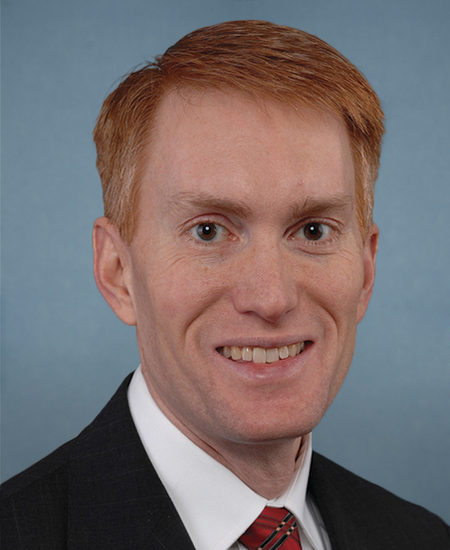
This resolution recognizes religious freedom as a fundamental human right and expresses concern over threats to religious freedom around the world, such as through harassment, violence, and imprisonment.
Sponsored bills
Maddy summaryThis bill establishes the Intelligence Community Technology Bridge Fund to help transition technology products from research and development to production for U.S. intelligence agencies. It provides financial assistance - such as grants, payments for products/services, or equity - to businesses or nonprofit organizations already under contract with intelligence agencies for R&D, provided the technology addresses a specific mission need. The fund prioritizes small businesses and nontraditional contractors, authorizing $75 million annually (capped at $75 million total) for fiscal years 2026 and beyond. The Director of National Intelligence administers the fund and must report annually to congressional intelligence committees on expenditures and outcomes.
Maddy summaryThe STOP CSAM Act of 2025 strengthens protections for child victims of sexual abuse and exploitation by expanding definitions of abuse to include psychological abuse and kidnapping, and by imposing new reporting requirements on internet service providers. The bill requires providers with over 1 million monthly users to report apparent child sexual abuse material to the CyberTipline within 60 days, with penalties for noncompliance including fines up to $1 million for large providers. It creates new civil remedies allowing victims to sue providers who host or promote child pornography, and establishes protections for "covered persons" (children under 18 who are victims or witnesses) by limiting public disclosure of their personal information. The bill also enhances law enforcement's ability to investigate online child exploitation while maintaining privacy safeguards for victims.
Maddy summaryThis bill requires federal agencies occupying six specific underutilized buildings in Washington, DC (including the Agriculture South Building and Humphrey Federal Building) to vacate and relocate within 18 months. The General Services Administration must then sell these buildings at fair market value within two years, prohibiting sales to foreign entities or their beneficial owners. Proceeds from the sale must first cover implementation costs (deposited into a federal buildings fund) with any remaining funds going to the Treasury to reduce the deficit. The sale is exempt from certain environmental, historic preservation, and acquisition laws to expedite the process.
Maddy summarySRES 298 is a non-binding Senate resolution congratulating the Oklahoma State University men's golf team on winning the 2025 NCAA Division I Men's Golf National Championship. It recognizes their 12th national title (first since 2018) and highlights their victory over the University of Virginia in the championship match. The resolution formally commends the team, coaches, and student-athletes for their achievement, with no policy impact or direct effect on any individuals or organizations beyond ceremonial recognition.
Maddy summarySRES 296 is a Senate resolution condemning antisemitism and recent antisemitic attacks, specifically referencing the May 21, 2025, murders of Sarah Milgrim and Yaron Lischinsky at a Washington, DC, event and the June 1, 2025, Boulder, Colorado, Molotov cocktail attack. It cites data showing a record 9,354 antisemitic incidents in 2024 (a 63% rise in hate crimes since 2022) and notes Jewish Americans face disproportionate harm, including 68% of religious hate crimes despite being 2.4% of the U.S. population. The resolution does not create new laws but formally expresses the Senate’s condemnation, mourns the victims, and encourages society to combat antisemitism and support Jewish communities. It also recognizes the importance of existing federal resources, like the Nonprofit Security Grant Program, for community safety.
Maddy summarySRES 295 is a ceremonial resolution designating the week of June 23-29, 2025, as "National Women's Sports Week" to commemorate the anniversary of Title IX of the Education Amendments of 1972. The resolution aims to celebrate the expansion of women’s athletic opportunities since Title IX’s enactment, which prohibits sex discrimination in education programs. It urges supporting programs that honor female athletes, coaches, and parents, while emphasizing the importance of single-sex sports competitions. As a procedural resolution, it does not create new laws or policies but serves as a symbolic observance.
Maddy summaryThis bill changes tax rules to help intelligence community employees who relocate for work. It allows these employees (excluding military members) to deduct moving expenses and exclude relocation reimbursements from taxable income when moving due to a required assignment change. The key change modifies two sections of the tax code to treat intelligence community relocations similarly to other federal employee moves. This directly affects current or new intelligence community staff who must move for mission-critical assignments. The policy aims to reduce tax burdens when these employees relocate for work.
Maddy summaryThis resolution designates June 6, 2025, as National Naloxone Awareness Day to raise public awareness about naloxone, a life-saving medication that reverses opioid overdoses. It urges federal, state, local governments, and organizations to improve access to naloxone and educate communities on its use, without creating new laws or funding. The resolution focuses on recognition and education, not policy changes or mandates.
Maddy summaryThis bill prohibits federal Medicaid and CHIP funding for specific medical procedures related to gender transition, as defined in the legislation. It amends the Social Security Act to block funding for surgeries (like hysterectomy, phalloplasty, or mastectomy), hormone therapies (including puberty blockers or supraphysiologic doses), and certain cosmetic procedures when performed to change physical characteristics to align with a person's gender identity. Exceptions apply for medically necessary treatments, such as puberty suppression for precocious puberty, correction of disorders of sex development, or life-threatening conditions. The bill directly affects Medicaid/CHIP recipients seeking these covered procedures and requires states to exclude them from funded services. It does not ban the procedures themselves but restricts federal financial support for them.