

Maddy summaryS 2536, the NURSE Act of 2023, requires the U.S. Department of Agriculture to develop training materials for healthcare professionals (like nurses and doctors) to help them inform patients about SNAP food assistance benefits. The bill directs the Secretary of Agriculture to create these materials and actively reach out to hospitals, nursing associations, and universities to ensure healthcare providers are aware of them. This policy change directly affects healthcare professionals who will use the materials to connect eligible patients with SNAP, while patients who qualify for food assistance but may not know about it are the primary beneficiaries. The law became effective January 31, 2023, implementing a concrete step to improve access to existing nutrition benefits through healthcare settings.
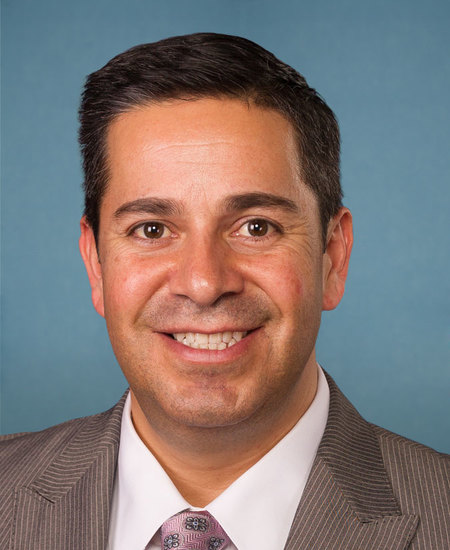
Sen. Ben Ray Luján
Sponsored bills
Maddy summaryThis bill requires schools to provide free, in-person training for food service workers during paid working hours, with hands-on learning components. If training must occur outside regular hours, schools must consult staff on scheduling, pay them at their regular rate (including overtime), and cannot penalize them for attendance. It directly affects school food service workers and their employers under the Child Nutrition Act. The law does not override existing labor protections but mandates specific scheduling and compensation rules for training programs.
Maddy summaryS 2494, the Communications, Video, and Technology Accessibility Act of 2023, requires closed captioning and audio description for all video programming delivered via internet protocol (streaming services), with implementation deadlines up to 6 years depending on programming type (live, near-live, or prerecorded). The bill mandates that video playback devices include accessible controls for captioning and audio description, and establishes advisory committees to develop technical standards for these requirements. It directly affects streaming platforms, content providers, and device manufacturers, aiming to improve accessibility for people with hearing, visual, and speech disabilities.
Maddy summary# Summary of Proposed Election Reform Legislation This comprehensive legislative document outlines a wide-ranging election reform bill with multiple titles addressing various aspects of voting rights, election administration, and election integrity. Key provisions include: 1. **Democracy Restoration** (Title I): - Restores voting rights for citizens with criminal convictions (except those serving felony sentences in correctional institutions) - Requires states to notify individuals of restored voting rights upon completion of sentence or release from custody - Includes enforcement mechanisms for states to comply with the restoration provisions 2. **Voter Identification Requirements** (Title II): - Establishes a standardized system for voter identification requirements - Specifies acceptable forms of identification (including many government-issued documents) - Requires states to provide free identification documents to eligible voters - Includes funding ($5 million annually for 5 years) to cover costs 3. **Voter List Maintenance** (Title III): - Prohibits "voter caging" (using undeliverable mail to challenge voter eligibility) - Requires states to verify voter ineligibility using objective and reliable evidence - Limits removal of voters from registration lists to specific circumstances (death, permanent move) - Mandates notice requirements for voters removed from lists 4. **Election Integrity** (Title IV): - Prohibits interference with voter registration (Section 612) - Restricts removal of local election administrators to cases of inefficiency, neglect, or malfeasance - Prohibits harassment and intimidation of election workers - Bans deceptive practices in elections (false information about voting procedures, qualifications, or endorsements) The legislation aims to expand voting access while maintaining election integrity, with specific focus on eliminating barriers for people with criminal convictions, ensuring fair voter list maintenance, and protecting election workers from harassment and intimidation. It also includes provisions for enforcement through civil actions, criminal penalties, and reporting requirements.
Maddy summaryThe ATTAIN Mental Health Act requires the U.S. Department of Health and Human Services to create a public online dashboard that makes federal mental health and substance use disorder grant information easier to find. The dashboard will list grant names, show current application status (open, closed, or awarded), and provide direct links to apply, while being accessible under the Americans with Disabilities Act. It will help schools, health providers, tribal organizations, community groups, and other potential applicants quickly locate funding opportunities by location and program type. The dashboard must be updated regularly to reflect current grant openings and be designed with input from diverse stakeholders like hospitals and tribal entities.
Maddy summaryThe PACCARB Act establishes a Presidential Advisory Council to advise the Secretary of Health and Human Services on federal efforts to combat antibiotic-resistant bacteria. The council must meet at least twice yearly, coordinate with the existing antimicrobial resistance task force, and provide recommendations on improving detection, diagnostics, research, and international collaboration. It requires the council to help develop a comprehensive 5-year action plan by October 2025 (and every 5 years after), detailing measurable outcomes for federal programs addressing antimicrobial resistance. The bill directly affects federal health agencies and programs managing antibiotic resistance, focusing on concrete policy mechanisms rather than outcomes.
Maddy summaryThe Indian Programs Advance Appropriations Act of 2023 requires the Department of the Interior and Indian Health Service to include advance funding for the next fiscal year in their budget requests for specific tribal programs. It affects the Bureau of Indian Affairs (e.g., Operation of Indian Programs, Contract Support Costs), Bureau of Indian Education (e.g., Operation of Indian Education Programs), and Indian Health Service (e.g., Indian Health Services, Contract Support Costs) by mandating that budget authority for these "covered accounts" must be available for the current year and include funds for the following year, starting in fiscal year 2024. The bill also requires the Secretary to submit detailed funding estimates for the next year and an annual report by July 31, including workload and demand data. This aims to improve budget predictability for tribal programs by ensuring funding needs for the next fiscal year are addressed in the current budget process.
Maddy summaryThis bill expands Medicare coverage for obesity treatment. It allows more healthcare providers - including nurse practitioners, dietitians, and clinical psychologists - to offer intensive behavioral therapy for obesity, with requirements for coordination with primary care physicians. It also adds Medicare Part D coverage for FDA-approved medications used to treat obesity or manage weight in adults with related health conditions (like diabetes or high blood pressure). These changes directly affect Medicare beneficiaries with obesity, aiming to improve access to proven treatment options. The bill requires annual reports to Congress on implementation progress.
Maddy summaryThe Food for Thought Act of 2023 creates a federal grant program to provide free on-campus meals to low-income college students. Eligible colleges and university consortia can apply for 5-year grants to offer 1-10 free meals weekly per qualifying student, prioritizing those with the greatest financial need or experiencing food insecurity. The bill requires institutions to identify eligible students, remove barriers to meal plan access, and report on student outcomes (like retention rates) disaggregated by factors like race and Pell Grant status. It also mandates that meals meet nutritional guidelines and accommodate dietary needs, while allowing limited funding for SNAP enrollment support and campus food pantries.
Maddy summaryThis bill prohibits states and their contractors from charging fees for switching or routing SNAP benefits, implementing new security requirements, or updating EBT infrastructure. It directly affects SNAP recipients and state agencies managing the program by eliminating these costs. Key provisions require states to review EBT technology contracts during each renewal to ensure security aligns with commercial standards. The law takes effect October 1, 2023, and applies to the Supplemental Nutrition Assistance Program (SNAP) under the Food and Nutrition Act of 2008.