

Maddy summaryThe Exploitative Workplace Surveillance and Technologies Task Force Act of 2023 establishes a White House Task Force to study workplace surveillance practices and their impact on workers. The Task Force will examine how employers collect and use workplace data, including the effects on worker compensation, safety, health, and vulnerable populations such as workers with disabilities, low-wage workers, and workers of color. The Task Force will produce three reports over time, including an initial report within one year of enactment and a final report with recommendations for addressing workplace surveillance. This bill affects employers who employ 11 or more workers (called "covered employers") and federal agencies participating in the Task Force, though it does not directly regulate workplace surveillance.
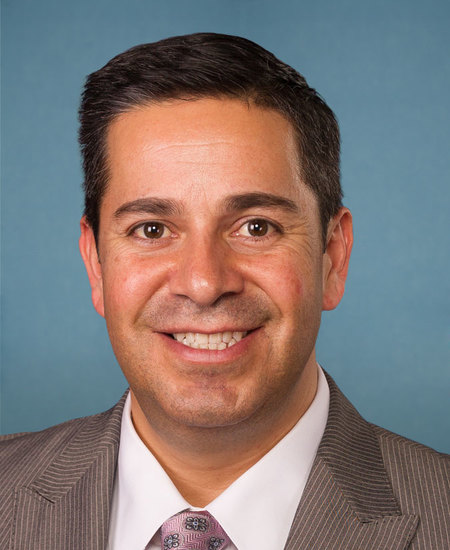
Sen. Ben Ray Luján
Sponsored bills
Maddy summaryThe No Robot Bosses Act (S 2419) prevents employers from using computer systems to make employment decisions without proper oversight. It prohibits employers from relying exclusively on automated decision systems for hiring, firing, or other employment decisions, and requires detailed disclosures to employees about how such systems were used. The bill creates a new Technology and Worker Protection Division within the Department of Labor to enforce these rules, and mandates that employers conduct annual tests for discrimination in these systems. The law applies to employers with 11 or more employees, including government contractors, and provides employees with the right to dispute automated decisions through human review.
Maddy summaryS 460, the "Urban Indian Health Confer Act," amends existing law to require federal health agencies to consult with urban Indian organizations when implementing Indian health care programs. The bill directly affects urban Indian organizations and the Department of Health and Human Services (specifically the Indian Health Service). Its key provision mandates that the Secretary ensure agencies "confer, to the maximum extent practicable," with these organizations on all health care provisions under the Indian Health Care Improvement Act. This creates a formal process for urban Indian organizations to provide input on federal health care policies affecting their communities. The bill does not create new funding or programs but changes how existing services are coordinated.
Maddy summaryThis bill streamlines mortgage processes for homes and businesses on tribal trust land. It sets strict deadlines for the Bureau of Indian Affairs (BIA) to review mortgage applications (10 days for preliminary checks, 20-30 days for final decisions) and requires timely certified title reports to verify land ownership. The bill creates a new "Realty Ombudsman" position within the BIA to monitor deadlines, handle complaints from tribes and lenders, and improve communication with federal agencies. It directly affects Native American individuals, tribes, and lenders seeking mortgages on trust land, aiming to reduce processing delays and increase transparency in the system.
Maddy summaryThis bill designates specific segments of rivers in New Mexico as "Wild and Scenic Rivers" under federal protection, establishing classifications (wild, recreational, or scenic) for 25 different river segments across the Gila River system, including Apache Creek, Black Canyon Creek, Diamond Creek, and others. It withdraws federal lands within these designated segments from activities like mining and public land entry, while preserving existing rights to grazing, water use, and mining outside the designated boundaries. The bill requires the creation of management plans for these segments, with input from tribal governments and the public, and transfers approximately 440 acres from the Forest Service to the National Park Service to incorporate into Gila Cliff Dwellings National Monument.
Maddy summaryThis bill withdraws approximately 4,288 acres of federal land in New Mexico (specifically Tracts A-D on the 2019 Placitas map) from mining claims, mineral leasing, and mineral disposal under existing rights. It directly affects land management on this BLM-administered area by prohibiting new mineral development. The bill allows the surface estate to be conveyed under existing laws like the Federal Land Policy and Management Act, but requires all surface conveyances to reserve mineral rights to the U.S. government. This preserves mineral rights while enabling potential surface land sales or transfers.
Maddy summary# Summary of Comprehensive Election Reform Bill This document is a comprehensive voting rights and election reform bill containing multiple titles with various provisions designed to: 1. **Restore voting rights** for citizens with criminal convictions (Democracy Restoration Act) - Restores voting rights for citizens not serving felony sentences in correctional institutions - Requires states to notify individuals of restored voting rights upon release or probation - Establishes enforcement mechanisms through civil actions 2. **Strengthen voter identification requirements** - Establishes a broad list of acceptable identification documents - Requires states to provide government-issued identification at no cost - Allows for provisional ballots with sworn statements for those without ID - Includes provisions for electronic documents and copies 3. **Prohibit voter caging and improper voter list maintenance** - Bans the use of "voter caging" documents or lists as evidence for challenging voter eligibility - Establishes strict conditions for removing voters from registration lists - Requires objective and reliable evidence for removals - Mandates notification procedures for voters removed from lists 4. **Enhance election integrity protections** - Prohibits interference with voter registration (including hindering, interfering with, or preventing registration) - Restricts removal of local election administrators to cases of inefficiency, neglect, or malfeasance - Protects election workers from intimidation and harassment - Bans deceptive practices regarding election information within 60 days of an election - Establishes criminal penalties for deceptive election practices 5. **Provides enforcement mechanisms** - Establishes private rights of action for violations - Includes civil and criminal penalties for violations - Requires reports to the Department of Justice for removals of election administrators - Sets specific timeframes for notification and corrective actions The bill aims to expand voting access while maintaining election integrity, with provisions designed to protect voting rights, prevent discrimination, and ensure fair administration of elections for Federal office.
Maddy summaryThis bill ensures that people and communities affected by wildland fires caused by U.S. Department of Agriculture (USDA) forest management on National Forest System land can receive full federal funding for fire recovery. It waives the requirement for states, tribes, localities, or individuals to provide matching funds for recovery projects after a USDA-caused fire. The waiver applies to both direct fire damage and indirect impacts like watershed impairment. The Secretary of Agriculture decides which fires qualify and can grant the waiver, removing a financial barrier to faster recovery.
Maddy summaryThe Healthy Families Act requires most employers (with 15 or more employees) to provide workers with up to 56 hours of paid sick leave annually, earned at a rate of 1 hour for every 30 hours worked. Employees can use this leave for their own illness, medical care, caring for family members with health conditions, or addressing domestic violence, sexual assault, or stalking situations. The law prohibits employers from retaliating against workers who use this leave and mandates that employers post notices about the policy. Smaller employers (with fewer than 15 employees) may provide up to 56 hours of unpaid sick leave instead of paid leave. The Act includes enforcement mechanisms allowing employees to file complaints with the Department of Labor and seek damages for violations.
Maddy summaryThe Paycheck Fairness Act aims to reduce gender-based pay disparities by strengthening protections against wage discrimination. It modifies the "bona fide factor" defense to require employers to prove pay differences are based on job-related factors rather than sex, prohibits reliance on salary history when making hiring decisions, and requires employers with 100+ employees to collect and report pay data disaggregated by sex, race, and ethnicity. The bill enhances penalties for violations, including compensatory and punitive damages, and strengthens non-retaliation protections for employees discussing wages. These changes directly affect employers, employees, and prospective employees, with particular focus on addressing pay gaps that disproportionately impact women and women of color. The act also creates a National Award for Pay Equity in the Workplace to recognize employers making progress in eliminating pay discrimination.