

Maddy summaryThis bill (S 2647, SHINE for Autumn Act of 2023) provides federal funding to improve stillbirth data collection, research, and education. It authorizes $5 million annually for states to collect stillbirth data using existing health records while protecting privacy, $1 million for developing standardized data collection guidelines and public educational materials, and $3 million for specialized training programs in perinatal pathology and stillbirth research. The bill directly affects state health departments, medical professionals (like obstetricians and pathologists), and families impacted by stillbirth through improved data systems and educational resources. Key provisions require standardized data reporting, consultation with affected families and healthcare providers, and mandatory reports on program progress within five years of enactment.
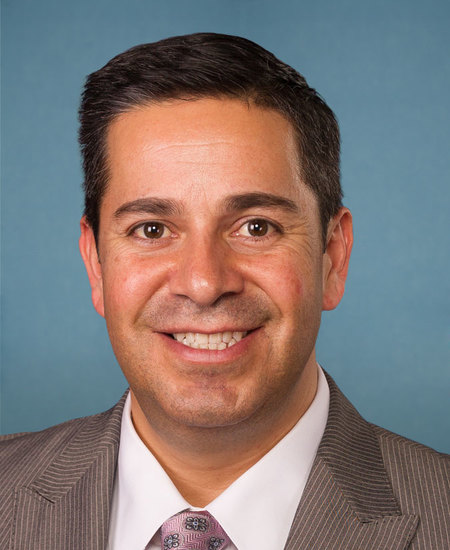
Sen. Ben Ray Luján
Sponsored bills
Maddy summaryThe Rebuild America's Schools Act of 2023 allocates $20 billion annually for fiscal years 2024-2028 to fund improvements to public school facilities nationwide. It provides grants to states, which then distribute funds to local school districts based on need, prioritizing schools serving high percentages of students eligible for free or reduced lunch. The bill requires projects to meet energy efficiency standards, address health and safety concerns (like lead in water or toxic substances), and use American-made materials when possible. It also includes specific provisions for repairing schools with foundations damaged by pyrrhotite, a mineral that causes concrete deterioration.
Maddy summaryThe Better CARE for Animals Act of 2023 strengthens enforcement of the existing Animal Welfare Act by requiring dealers and exhibitors to maintain valid licenses for animal sales or transport. It expands enforcement authority for both the USDA and the Attorney General to pursue civil penalties (up to $10,000 per violation per day), seize animals in violation cases, and use penalty funds to cover temporary care costs for animals during legal proceedings. The bill also clarifies that enforcement applies to rules and regulations under the Act, and mandates a new coordination agreement between the USDA and DOJ to address repeat violators. These changes directly affect animal dealers, exhibitors, and federal enforcement agencies, improving accountability for animal welfare violations.
Maddy summarySRES 312 is a non-binding Senate resolution recognizing the role of the Americans with Disabilities Act (ADA) in enabling independent living for people with disabilities and highlighting ongoing challenges like institutional segregation and disparities in healthcare, employment, and accessibility. It calls on federal agencies - including the Departments of Labor, Health and Human Services, Housing, and Transportation - to take specific actions to improve home- and community-based services, accessibility, and economic opportunities for people with disabilities. The resolution emphasizes addressing barriers identified 33 years after the ADA's passage, including pandemic impacts and racial disparities affecting disabled communities. As a symbolic resolution, it does not create new laws or funding but urges bipartisan collaboration and agency action to advance ADA goals.
Maddy summaryThis resolution designates September 2023 as "National Child Awareness Month" to promote public awareness of charities and youth-serving organizations working to support children across the United States. It specifically recognizes efforts to aid at-risk children, including those experiencing homelessness, in foster care, affected by trafficking or violence, or facing serious health needs. The resolution does not create new programs or funding but serves as a symbolic recognition of these organizations' work. It aims to encourage broader community support for children's services during the school year's start.
Maddy summaryThis bill requires federal agencies (Agriculture, Interior, Homeland Security, and Defense) to establish standard procedures for managing fire suppression cost share agreements. It mandates that these agencies review and update existing agreements to align with local fire protection plans and conduct second-level reviews after wildfires, consulting with state and local fire organizations. The bill directly affects federal agencies and local fire departments participating in these agreements, which cover shared costs for firefighting efforts. It is procedural in nature, focusing on improving existing processes rather than creating new funding or altering policy.
Maddy summaryS 2540, the Tribal Nutrition Flexibility Act of 2023, amends the Food and Nutrition Act to give Tribal organizations more flexibility in managing food distribution on reservations. It allows temporary waivers for domestic commodity requirements during disasters (Section 4(b)(5)(A)(ii)) and explicitly counts traditional foods sourced across international borders as U.S. products (Section 4(b)(4)(C)). The bill creates a formal process for tribes to request waivers of specific regulations through the Office of Tribal Relations (Section 4(b)(7)), requiring a 30-day response from the Secretary. It also establishes a fund for purchasing traditional herbs and spices to support nutrition education programs administered by tribes or state agencies (Section 4(b)(8)).
Maddy summaryThis bill eliminates cost-sharing requirements for tribal nutrition programs operating on Indian reservations. It amends the Food and Nutrition Act to require the Secretary to cover 100% of administrative and distribution costs, removing a previous requirement that tribes pay part of these expenses. The change directly affects federally supported tribal nutrition programs, such as those providing food assistance on reservations. This policy update shifts all financial responsibility for these costs from tribes to the federal government.
Maddy summaryThis bill requires employers to prevent heat-related illness and injury by implementing specific protections for workers exposed to heat stress. It mandates employer actions including providing cool water, scheduled rest breaks, access to shade, acclimatization policies, and training on heat illness symptoms and responses. The law also requires employers to cover costs for personal cooling equipment, develop written heat illness prevention plans with worker input, and ensure training is accessible in workers' preferred languages. These provisions directly affect outdoor workers, agricultural laborers, construction crews, and others in high-heat occupational settings.
Maddy summaryThe LAST ACRE Act of 2023 establishes a federal program to provide grants and loans to broadband providers for connecting agricultural land that lacks high-speed internet access. The program targets "unserved" land (with less than 25 Mbps downstream/3 Mbps upstream) and "underserved" land (with less than 100 Mbps downstream/20 Mbps upstream), prioritizing remote areas. It requires providers to offer connectivity with at least 100 Mbps downstream and 20 Mbps upstream speeds specifically designed for precision agriculture applications like farm equipment, sensors, and data collection. The program includes cybersecurity requirements for recipients and mandates annual reporting to Congress on program outcomes.