

Maddy summarySRES 550 is a symbolic Senate resolution designating February 2024 as "Career and Technical Education (CTE) Month" to recognize the value of CTE programs. It does not create new laws or funding but formally supports CTE's role in preparing students for high-demand careers through secondary and postsecondary training. The resolution encourages educators and parents to promote CTE as a respected educational pathway, aligning with the Senate's recognition of CTE's importance for workforce development and economic competitiveness. As a procedural resolution, it has no binding effect but expresses bipartisan support for CTE initiatives.
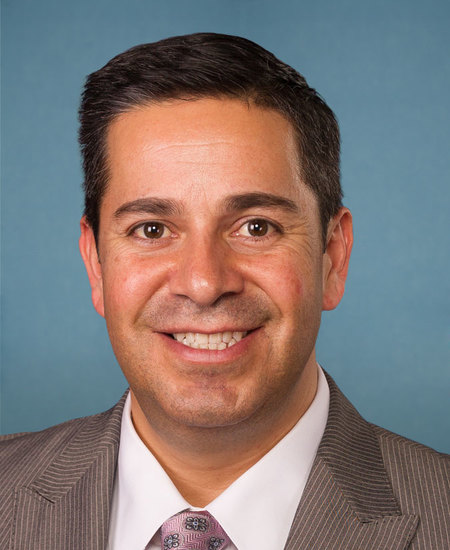
Sen. Ben Ray Luján
Sponsored bills
Maddy summarySRES 551 is a symbolic Senate resolution (not a law) introduced by multiple senators on February 8, 2024, to formally celebrate Black History Month. It acknowledges the historical contributions of African Americans to U.S. society and encourages the public to reflect on their legacy during February. The resolution contains no new policies or requirements - it simply expresses the Senate's recognition of Black History Month as an opportunity to honor these contributions and learn from history. It does not affect any individuals, groups, or government programs. This is a standard annual commemorative resolution, consistent with similar resolutions passed each February.
Maddy summaryThis bill amends the Child Abuse Prevention and Treatment Act to create new pathways for families facing challenges like poverty, stress, or domestic violence to access community-based support instead of entering the child protective services system. It directs federal grants to states and tribes to fund local helplines, websites, and training programs that connect families to voluntary services - such as family strengthening programs or domestic violence resources - before they are referred to child welfare. Key provisions include requiring states to develop "alternative pathways" for mandated reporters to refer families to community support, and expanding research on reducing unnecessary CPS referrals. These changes directly affect families at risk of child welfare involvement, child welfare agencies, and community service providers.
Maddy summaryS 3774, the Family Strengthening Infrastructure Act of 2024, increases federal funding for child protective services and prevention programs under the Child Abuse Prevention and Treatment Act (CAPTA). It authorizes $250 million annually (2025-2034) for state grants to improve child protective services (Section 2(a)) and an additional $250 million for community-based prevention grants (Section 2(b)). To receive funds, states must commit to maintaining or increasing their own funding for these programs compared to the previous fiscal year. The bill directly affects eligible states and territories applying for these grants, with funding distributed based on child population.
Maddy summarySRES 544 designates the week beginning February 5, 2024, as "National Tribal Colleges and Universities Week." The resolution recognizes Tribal Colleges and Universities (TCUs) for serving over 230 federally recognized tribes, preserving indigenous languages and cultural traditions, and providing accessible education in economically isolated areas. It calls on the public and organizations to observe the week with activities supporting TCUs, which offer open-enrollment higher education to American Indian, Alaska Native, and other students. This is a symbolic recognition resolution with no direct policy or funding changes.
Maddy summarySRES 529 is a symbolic Senate resolution recognizing January 2024 as "National Mentoring Month." It does not create new laws or allocate funds, but formally acknowledges the value of mentoring relationships for youth development. The resolution highlights mentoring's benefits - including improved academic outcomes, mental health, and career readiness - while noting that one-third of U.S. youth lack a mentor. It urges support for mentoring programs but has no direct effect on individuals or policy implementation.
Maddy summaryS 2669 requires digital asset service providers - including unhosted wallet providers, validators, miners, and digital asset kiosks (crypto ATMs) - to register with the Financial Crimes Enforcement Network (FinCEN) and verify customer identities. It mandates that entities handling anonymity-enhancing tools (like mixers that obscure transactions) implement anti-money laundering controls and report holdings over $10,000 abroad. The bill sets deadlines for implementing these rules: registration within 180 days, identity verification for kiosks within 18 months, and reporting requirements within 18 months of enactment. These provisions directly affect crypto businesses, wallet services, and kiosks operating in the U.S., aiming to reduce illicit finance risks in digital asset transactions.
Maddy summaryThis bill expands access to methadone treatment for opioid use disorder by allowing more healthcare providers to prescribe it for unsupervised use through pharmacies. Specifically, it waives federal restrictions to permit addiction medicine specialists, program employees, and certified physicians to prescribe methadone electronically for 30-day supplies, with patients receiving it directly from pharmacies instead of only through specialized clinics. The bill requires annual reporting to Congress on the number of registered providers, patients served, and participating states. It directly affects patients with opioid use disorder seeking treatment and healthcare providers currently authorized to prescribe methadone.
Maddy summaryThis bill amends the National Voter Registration Act to allow U.S. Citizenship and Immigration Services (USCIS) field offices to serve as official voter registration agencies for new naturalized citizens. It requires USCIS offices to facilitate voter registration applications during naturalization processes and mandates that courts conducting naturalization ceremonies permit USCIS to provide registration assistance. The bill directly affects newly naturalized citizens who complete their citizenship process at USCIS offices or through court ceremonies. Key provisions establish joint procedures between states and USCIS for registration and clarify that existing immigration fees and grant programs may fund these voter registration services.
Maddy summaryS 3688, the FAIR Act, sets pay adjustments for federal employees in 2025. It increases base pay by 4% for most federal workers covered under statutory pay systems and prevailing rate employees (those paid according to local market rates). Additionally, it raises locality pay adjustments by 3.4% for 2025. The bill directly affects all federal employees whose pay is determined under these specific pay systems. These changes are mandated by statute and apply to calendar year 2025.