

Maddy summaryThe CCM-CARE Act of 2023 aims to improve research, diagnosis, and treatment for cerebral cavernous malformations (CCM), a blood vessel disease affecting approximately 600,000 people in the U.S. (with fewer than 200,000 diagnosed), particularly those with specific genetic mutations prevalent in New Mexico (common Hispanic mutation) and the Southeastern U.S. (CCM2 Common Deletion). The bill establishes a network of CCM Clinical Research Centers (2 coordinating centers and 6-10 participation centers), expands NIH funding for CCM research including biomarker development and drug trials, and creates CDC surveillance programs to track CCM cases. It also creates a CCM Research Consortium to develop clinical training programs, patient education materials, and regional awareness campaigns, with specific focus on high-impact populations. The legislation requires biennial reports to Congress on CCM research activities, funding distribution, and recommendations for future research.
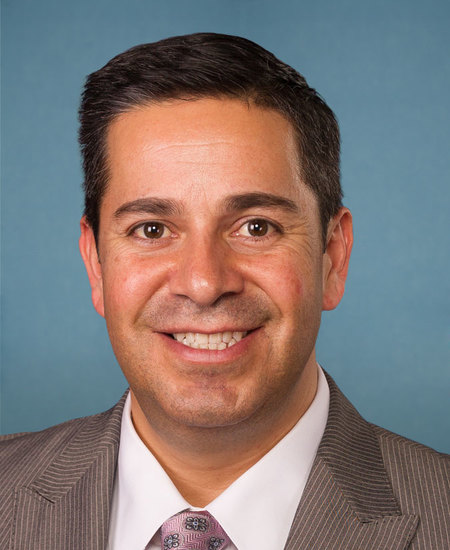
Sen. Ben Ray Luján
Sponsored bills
Maddy summaryThis bill amends the Indian Reorganization Act of 1934 to clarify that the Secretary of the Interior may take land into trust for **any federally recognized Indian tribe**, updating the original language that referenced tribes "under Federal jurisdiction." It specifically **ratifies and confirms past land trust actions** taken for tribes recognized by the federal government at the time of those actions, preventing legal challenges based on recognition status. The bill explicitly states it **does not change other federal laws** or the Secretary's authority under them, and references to the Indian Reorganization Act in other laws will now include this amendment. This directly affects federally recognized tribes seeking land trust status and the Department of the Interior's administrative processes.
Maddy summaryThis bill expands disaster assistance for livestock and agricultural producers by broadening eligibility to include those using federal, state, or local land for grazing or farming. It allows permanent infrastructure like water wells and pipelines to qualify for emergency payments under the Emergency Conservation Program and streamlines environmental reviews during droughts by waiving public comment periods and accepting existing Natural Resources Conservation Service reviews. The bill also modifies livestock disaster programs to include specific per-hive payment rates for honey bee producers and establishes a working group to improve the accuracy of the U.S. Drought Monitor through better data sharing and standardized methodologies. These changes directly affect ranchers, farmers, and beekeepers managing land on public or leased property during drought emergencies.
Maddy summaryThe DAIRY PRIDE Act (S 549) amends federal food labeling rules to prevent plant-based products from using dairy-related terms like "milk," "yogurt," or "cheese" unless they meet the FDA's definition of dairy: derived from the lacteal secretion of hooved mammals (e.g., cows). It directly affects manufacturers of plant-based alternatives (e.g., almond, oat, or coconut milk) that currently label products with dairy terms. The bill requires the FDA to enforce this definition through new guidance within 180 days of enactment, clarifying that products not meeting the standard cannot be marketed as dairy. It does not change nutritional requirements but aims to reduce consumer confusion about product composition.
Maddy summaryThis bill expands a federal loan repayment program for mental health professionals working in underserved areas. It increases annual funding from $25 million to $50 million (2023-2032) and adds behavioral health professionals - including psychologists, social workers, and counselors - to the eligible group. Participants must agree to 1-6 years of full-time work in designated mental health shortage areas or counties with high overdose death rates, with no more than one year between service periods. The program repays student loans in exchange for service, targeting areas facing critical workforce shortages. It amends existing law to include specific geographic and demographic criteria for qualifying locations.
Maddy summaryThis bill requires background checks for most private firearm transfers between unlicensed individuals by mandating that such transfers occur through a licensed dealer. It directly affects unlicensed buyers and sellers of firearms who would otherwise transfer guns without checks, except for specific exceptions like family gifts, law enforcement transfers, temporary safety-related transfers, or transfers for hunting/shooting at designated locations. Key provisions include requiring licensed dealers to conduct background checks as if they were transferring the firearm themselves and adding a new requirement for written certification from the unlicensed transferee. The bill does not create a national gun registry and leaves state laws intact.
Maddy summaryThe DISCLOSE Act of 2023 requires organizations making campaign-related disbursements over $10,000 to disclose detailed information about their funding sources, including the names and addresses of major donors and the top 5 or 2 funders for political communications. It closes loopholes allowing foreign nationals to influence U.S. elections by prohibiting foreign contributions to ballot initiatives and requiring disclosure of foreign money in campaigns. The bill also mandates "stand by every ad" requirements, requiring political communications to include disclaimers identifying who paid for them and listing major funders. These provisions apply to corporations, labor organizations, and other groups making political expenditures, with the goal of increasing transparency in campaign finance.
Maddy summaryThis bill authorizes Congress to award a gold medal in honor of Constance Baker Motley, a pioneering civil rights lawyer and the first African-American woman appointed to a federal judgeship. The medal will be presented posthumously to her son, Joel Motley III, and niece, Constance Royster, by congressional leaders. The bill directs the U.S. Treasury to design and strike the medal (featuring Motley's image and name) and permits the sale of bronze duplicates to cover production costs, with proceeds going to the U.S. Mint. This is a commemorative measure recognizing Motley's legacy, not a policy change affecting public programs or regulations.
Maddy summaryS 480 requires the U.S. Secretary of Agriculture to create a working group within 120 days of enactment to assess risks to U.S. food safety and animal health from beef imported from Brazil. The group must include food safety and animal health experts, plus representatives from agencies like U.S. Customs and Border Protection. The bill temporarily bans all beef and beef products from Brazil entering the U.S. starting on the bill's enactment date until the working group submits its recommendations to the Secretary. This directly affects Brazilian beef exporters and U.S. importers of Brazilian beef products. The bill does not change existing import rules but mandates a review process before allowing such imports to resume.
Maddy summaryThe Internet PACT Act requires major social media platforms to publish clear content policies, create accessible complaint systems for users, and provide biannual transparency reports detailing how they handle content moderation. It sets specific timeframes for platforms to address illegal content (4 days) and potentially policy-violating content (14 days), with longer deadlines for smaller platforms. The bill modifies Section 230 immunity, removing protection for platforms that fail to remove illegal content after receiving proper notice from courts. Smaller platforms with fewer than 1 million monthly visitors and $50 million in annual revenue are exempt from some requirements. This legislation aims to increase transparency around content moderation practices while maintaining legal protections for platforms that comply with the new rules.