

Maddy summaryS 2298, the Asunción Valdivia Heat Illness, Injury, and Fatality Prevention Act of 2025, requires employers to prevent heat-related harm to workers. It mandates the Secretary of Labor to create binding standards within one year of enactment, including requirements for employers to provide cool water, scheduled rest breaks, shade, heat illness training, and engineering controls (like ventilation) to reduce heat exposure. These standards directly affect workers in high-heat occupations (e.g., construction, agriculture) and their employers, who must implement specific protective measures like hydration plans, cooling equipment, and supervisor training on recognizing heat illness symptoms. The bill also includes whistleblower protections for workers reporting safety violations and requires ongoing data collection to assess the standards' effectiveness.
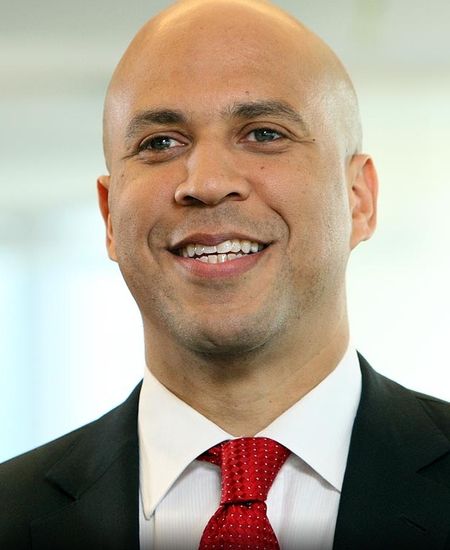
Sen. Cory A. Booker
Sponsored bills
Maddy summaryThe Resilient Transit Act of 2025 (S 2299) creates federal grants to help state and local governments improve public transportation systems' resilience against climate impacts like flooding, wildfires, and extreme weather. It funds specific activities such as flood barriers, backup power systems, temperature monitoring, and vulnerability assessments for transit infrastructure. Grants prioritize projects benefiting environmental justice communities, medically underserved areas, and neighborhoods with high poverty or unemployment rates, as defined by the bill. The legislation authorizes $4.15 billion for these grants in fiscal year 2025, requiring annual reports to Congress on funded projects and their community impact.
Maddy summaryThis bill restricts donations to presidential libraries and centers by prohibiting contributions from certain categories of donors, including registered lobbyists, foreign nationals, federal contractors, and individuals seeking pardons, during a president's term and for two years after leaving office. It also sets a $10,000 annual limit on individual donations (adjusted for inflation) and requires libraries to report all donations over $200, including donor details, to the National Archives. Donations must be reported quarterly, with reports published online for public access. The bill aims to increase transparency and prevent potential conflicts of interest in fundraising for these institutions.
Maddy summaryThis bill establishes federal standards for unemployment insurance to increase consistency and support during economic downturns. It sets minimum requirements for benefit duration (26 weeks), wage replacement (75% of earnings), and maximum benefit amounts, while expanding eligibility for individuals separated due to compelling reasons like family care or workplace violence. The bill creates a new Jobseeker Allowance program providing weekly payments to unemployed individuals actively seeking work, with higher payments during periods of elevated unemployment. States would administer these programs with full federal funding for extended benefits and specific administrative support for the new allowance. The changes would take effect for unemployment claims beginning on or after January 1, 2027.
Maddy summaryThis bill creates a federal program providing child care assistance to working families with children under age 6 through direct child care certificates that parents can use to pay for high-quality child care services. States must develop plans with payment rates covering provider costs and wages, sliding fee scales based on family income (with no copayment for families earning under 85% of state median income), and policies prioritizing vulnerable children including those with disabilities, experiencing homelessness, or from low-income families. The program requires providers to meet quality standards, prohibit suspensions/expulsions, and implement quality improvement activities while ensuring accessibility for underserved populations. It is funded through significant federal appropriations for fiscal years 2026-2031.
Maddy summaryThis bill mandates a study by the U.S. Department of Health and Human Services, in coordination with the FDA and NIH, to examine the potential link between chemical hair straighteners and uterine cancer, with specific focus on higher incidence rates among women of color. The study will review existing research, analyze impacts across racial groups, break down results by product types (like dyed or bleached straighteners), and assess whether the FDA should require additional safety testing for these products. It directly affects women, particularly women of color, who may face elevated risks from hair straightening products. The study must begin within 180 days of enactment and conclude with a report to Congress within two years.
Maddy summaryThis bill authorizes $30 million annually (2026-2030) for expanded research on uterine fibroids at the National Institutes of Health, addressing current underfunding (only $17 million in 2019). It requires the creation of a Medicaid data database to track treatment access and costs for fibroid patients, with a report to Congress within two years. The bill also mandates public education campaigns about fibroid awareness, prevalence (especially among minority women), and non-hysterectomy treatment options. These provisions directly affect women with fibroids - particularly Black women who experience higher incidence, severity, and hospitalization rates - by aiming to improve research, data collection, and patient information.
Maddy summarySRES 320 is a non-binding Senate resolution designating July 2025 as "Plastic Pollution Action Month." It does not create new laws or funding but formally recognizes the environmental and health impacts of plastic pollution through cited statistics (e.g., 171 trillion plastic pieces in oceans, 1.5 million microplastics ingested daily by humans). The resolution encourages all U.S. individuals to participate in reducing plastic pollution during July 2025 and year-round through reusable alternatives and waste reduction. As a procedural resolution, it has no legal effect but aims to raise public awareness and support ongoing cleanup efforts.
Maddy summaryThis symbolic resolution (SCONRES 16) recognizes the persistent wage gap affecting Black women in the U.S., specifically noting they earn just 66 cents for every dollar paid to White, non-Hispanic men for full-time work. It highlights that Black women face compounded racial and gender-based pay discrimination, with data showing the gap would take over 200 years to close at current rates. The resolution does not create new laws but formally acknowledges the economic impact on Black women - such as lost lifetime earnings and reduced family financial security - and reaffirms congressional support for equal pay principles. It was introduced to coincide with Black Women’s Equal Pay Day (July 10, 2025), using Census and EEOC data to underscore the disparity.
Maddy summaryThis non-binding resolution recognizes climate change as a growing public health threat and urges the Department of Health and Human Services (HHS) to prioritize climate resilience in healthcare. It recommends specific actions, including reinstating the Office of Climate Change and Health Equity, directing funding toward underserved communities for infrastructure upgrades, establishing worker heat protection standards, and requiring annual progress reports on health equity outcomes. The resolution directly affects HHS agencies, healthcare providers (especially in rural, Tribal, and low-income areas), and workers facing climate-related health risks. It does not create new laws but calls for coordinated federal action to address climate-driven health impacts like heat-related illnesses, mental health strain, and disease spread.