

Maddy summaryThis resolution (SRES 559) formally recognizes the actions of Sudan's Rapid Support Forces (RSF) and allied militias against non-Arab ethnic groups (specifically Masalit, Fur, and Zaghawa) in Darfur as genocide, meeting the definition under international law. It directly affects the targeted ethnic communities in Darfur and directs the U.S. government to take specific actions. Key provisions include condemning the RSF's violence, urging the U.S. to establish humanitarian corridors and protect civilians, support documenting atrocities, fund community aid, and review Sudan's atrocities determination. As a non-binding Senate resolution, it sets policy expectations but does not alter U.S. law or impose new obligations.
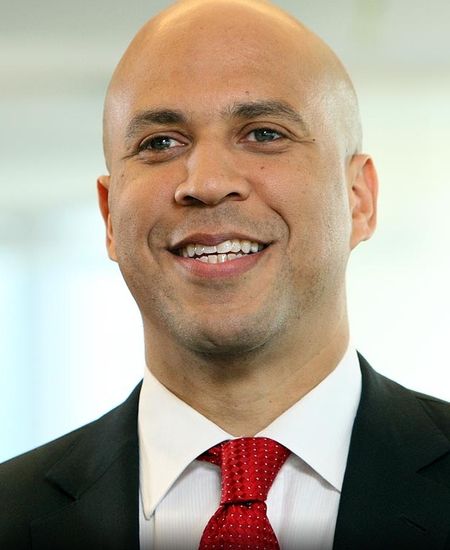
Sen. Cory A. Booker
Sponsored bills
Maddy summarySRES 553 is a ceremonial Senate resolution honoring Jean A. Carnahan, who served as Missouri’s first female U.S. Senator from 2001 to 2002 after her husband’s passing. The resolution expresses the Senate’s sorrow over her death, recognizes her service as First Lady of Missouri and U.S. Senator, and her advocacy for families and veterans. It directs the Senate Secretary to share the resolution with the House and Carnahan’s family, with no substantive policy changes or affected parties. This is a standard commemorative measure with no legislative impact.
Maddy summarySRES 554 is a non-binding Senate resolution calling on the Biden administration to urgently increase humanitarian aid delivery to Gaza. It directly addresses the crisis affecting approximately 2.2 million civilians in Gaza, who face acute food insecurity, potential starvation, and collapsed infrastructure. The resolution demands specific actions: streamlining truck inspections, expanding aid access points, ensuring fuel for hospitals, improving safety for aid workers, and restoring water systems. It emphasizes the need for immediate, concrete steps to prevent starvation and disease in Gaza, where only 16 hospitals function and 96% of water is unsafe. As a symbolic resolution, it does not create new law but urges coordinated international action.
Maddy summarySRES 547 is a symbolic Senate resolution commemorating the two-year anniversary of Russia's full-scale invasion of Ukraine (launched February 24, 2022). It expresses U.S. support for Ukraine's territorial integrity and sovereignty, condemns Russian actions including war crimes (like the Bucha massacre), and reaffirms congressional backing for Ukraine's defense against aggression. The resolution has no binding effect or policy changes - it serves as a formal statement of solidarity with Ukraine, acknowledging the humanitarian crisis and international aid efforts. It was introduced by 31 Senators and does not alter laws, funding, or military commitments.
This resolution supports the designation of February 17-February 24, 2024, as National FFA Week. It also (1) recognizes the important role of the National FFA Organization (Future Farmers of America) in developing the next generation of globally conscious leaders who will change the world; and (2) celebrates the 10th anniversary of the Give the Gift of Blue program, which has donated more than 17,000 FFA blue jackets to FFA members in need.
Maddy summarySRES 550 is a symbolic Senate resolution designating February 2024 as "Career and Technical Education (CTE) Month" to recognize the value of CTE programs. It does not create new laws or funding but formally supports CTE's role in preparing students for high-demand careers through secondary and postsecondary training. The resolution encourages educators and parents to promote CTE as a respected educational pathway, aligning with the Senate's recognition of CTE's importance for workforce development and economic competitiveness. As a procedural resolution, it has no binding effect but expresses bipartisan support for CTE initiatives.
Maddy summarySRES 551 is a symbolic Senate resolution (not a law) introduced by multiple senators on February 8, 2024, to formally celebrate Black History Month. It acknowledges the historical contributions of African Americans to U.S. society and encourages the public to reflect on their legacy during February. The resolution contains no new policies or requirements - it simply expresses the Senate's recognition of Black History Month as an opportunity to honor these contributions and learn from history. It does not affect any individuals, groups, or government programs. This is a standard annual commemorative resolution, consistent with similar resolutions passed each February.
Maddy summaryThe FAAN Act authorizes $1 billion in grants to nursing schools in underserved areas to address nursing workforce shortages and modernize education. Schools receiving funds must prioritize increasing faculty and student enrollment - especially for underrepresented groups like racial minorities, rural residents, and low-income students - while modernizing facilities with technology like simulation labs and telehealth tools. Priority is given to schools in medically underserved areas, rural communities, or those serving health professional shortage areas. Annual reports from schools and a congressional report after five years will track enrollment, diversity outcomes, and program impacts on public health readiness.
Maddy summaryS 3779 creates federal grant programs to reduce suicide rates among youth under 26. Health care grants ($20 million) fund training for providers on identifying at-risk youth, communicating about safe firearm storage, and using evidence-based screening tools, with up to 15% of funds available for providing secure gun storage devices at low cost to families. School grants ($10 million) support developing curricula on suicide prevention and lethal means safety for health care education. The bill requires annual reporting and establishes a public website with best practices, with funding allocated through 2027.
Maddy summaryThis bill removes a barrier for people with disabilities seeking elected office by ensuring campaign work they perform doesn't affect their eligibility for federal or state benefits. Specifically, it requires that any campaign work done by a candidate with a disability - and any compensation received for that work - be disregarded when calculating benefits under programs like Social Security Disability Insurance (Title II) or Supplemental Security Income (Title XVI). This means individuals receiving disability benefits could run for office without risking loss of support due to campaign earnings. The law directly affects disabled candidates for federal, state, or local office who rely on these benefits.