

Maddy summaryS 821 establishes a new U.S. Ambassador-at-Large for the Arctic Region within the State Department, appointed by the President with Senate approval. This position coordinates U.S. foreign policy across Arctic-related issues - including security, environmental protection, indigenous affairs, resource management, and scientific research - reporting directly to the Secretary of State. The Ambassador will work with other federal agencies and coordinate with Arctic Council nations (the U.S., Canada, Denmark, Iceland, Norway, Sweden, Finland, and Russia) on matters affecting the defined Arctic region, which includes northern U.S. territories, the Arctic Ocean, and adjacent seas. The bill creates a dedicated diplomatic role to centralize U.S. engagement in Arctic affairs without altering existing agency authorities.
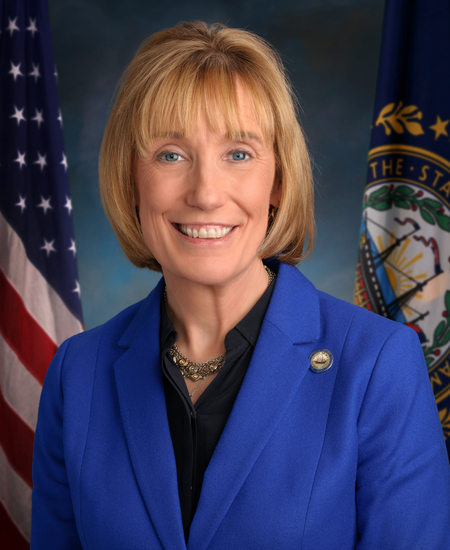
Sen. Margaret Wood Hassan
Sponsored bills
Maddy summaryThis bill authorizes the minting of commemorative coins to mark the 100th anniversary of the U.S. Foreign Service. It specifies three coin types: up to 50,000 $5 gold coins (90% gold), 400,000 $1 silver coins (90% silver), and 750,000 half-dollar clad coins, all to be issued in 2025. A surcharge ($35 for gold, $10 for silver, $5 for half-dollars) will be added to each coin's sale price, with all funds going directly to the Association for Diplomatic Studies and Training to support its diplomatic history preservation work. The bill ensures no net cost to the government by requiring all design, production, and marketing expenses to be recovered through coin sales.
Maddy summaryThis bill requires the FDA to provide generic drug manufacturers with specific, written disclosures about whether their proposed drug formulation matches the reference drug's inactive ingredients in both type and concentration. If differences exist, the FDA must identify the specific ingredients and quantify any deviations. The bill also mandates that the FDA issue guidance within one year on how it will assess formulation similarity, including a 60-day public comment period. These requirements apply immediately upon the bill's enactment to all generic drug applicants seeking approval under Section 505(j).
Maddy summaryThis concurrent resolution expresses Congress's support for the Local Radio Freedom Act by opposing new fees for local radio stations playing music over the air. It states that imposing performance fees would harm the longstanding relationship between radio stations and the music industry, jeopardize emergency broadcasts and local programming, and cause economic hardship for radio stations and small businesses (like bars and retail stores) that rely on free music licensing. The resolution specifically urges against any new fee, tax, or royalty related to radio stations' public performance of sound recordings. As a non-binding statement, it does not create new law but formally advocates for maintaining the current system.
Maddy summarySRES 104 is a symbolic Senate resolution recognizing the heritage, culture, and contributions of Latinas in the United States. It highlights that nearly 30 million Latinas live in the U.S. (1 in 6 women), emphasizing their roles across diverse fields like business (over 2 million Latina-owned businesses), military service (45,710 active-duty Latinas), arts (Selena, Rita Moreno), and essential work during the pandemic. The resolution notes ongoing challenges, including Latinas earning only 57 cents for every dollar earned by White, non-Hispanic men. It formally celebrates Latinas' achievements while acknowledging the need for further progress toward equality. As a non-binding resolution, it does not create new laws or allocate funds.
Maddy summaryThe Data Care Act of 2023 requires online service providers (like social media apps, streaming platforms, and websites) to protect users' personal data. It mandates that companies securely store data, promptly notify users of breaches involving sensitive information, and avoid using data in ways that harm users or cause financial/physical harm. The law also restricts selling or sharing user data without strict contracts ensuring third parties follow the same security and privacy rules. These requirements apply to most major digital services collecting personal data, with enforcement by the Federal Trade Commission and state attorneys general. The law does not override existing privacy laws but adds new standards for data handling.
Maddy summaryThe HCBS Access Act (S 762) requires states to provide Medicaid coverage for home and community-based services (HCBS) to eligible individuals with disabilities and older adults, aiming to eliminate waiting lists and ensure access to community-based care. The bill establishes a comprehensive definition of HCBS that includes personal assistance, transportation, respite care, housing support, and other services necessary for community living. It mandates states to develop implementation plans to expand access, improve compensation and working conditions for direct care workers, and report on quality measures and demographic data related to HCBS access. The bill also creates a national technical assistance center to support workforce development and ensures services are provided in settings meeting specific quality standards.
Maddy summaryThis bill establishes a $500 million USDA grant program to assist farmers and communities affected by PFAS ("forever chemicals") contamination in soil or water. Eligible states, tribes, or local governments can receive funding if they have agricultural land or water with unsafe PFAS levels, as determined by the USDA and EPA. Grants can cover costs like compensating farmers for contaminated crops, funding health monitoring, helping farms transition to new production systems, researching remediation, and developing educational programs about PFAS risks. The program requires annual reports to Congress and prioritizes direct financial assistance for farmers facing income loss due to contamination.
Maddy summaryThe Tax Fairness for Workers Act (S 738) allows employees to deduct certain work-related expenses from their taxable income. It creates an above-the-line deduction for union dues and adds a new exception permitting miscellaneous itemized deductions for other employee expenses, such as uniforms or tools, that were previously limited. This directly affects wage-earning workers who pay union dues or have unreimbursed job costs. The changes apply to taxable years beginning after December 31, 2022, and remove prior restrictions on these deductions.
Maddy summaryS 701, the Women’s Health Protection Act of 2023, prohibits states from imposing restrictions on abortion that are more burdensome than those for comparable medical procedures. It protects access to abortion before fetal viability (when a fetus could survive outside the womb) by banning requirements like unnecessary in-person visits, medically inaccurate counseling, or facility restrictions not applied to similar care. Post-viability abortions remain protected when medically necessary to safeguard a patient’s life or health. The bill preempts conflicting state laws and ensures enforcement through federal courts to uphold these access protections for patients and health care providers.