

Maddy summaryThe EACH Act of 2023 requires federal health programs - including Medicaid, Medicare, the Indian Health Service, and others - to cover abortion services regardless of income or insurance type. It directly affects millions of low-income individuals, women of color (who are disproportionately enrolled in Medicaid), LGBTQ+ people, and people in states that currently restrict abortion coverage. Key provisions mandate that all federally funded health programs provide abortion coverage (Section 4), repeal a prior law restricting abortion coverage in private insurance (Section 5), and prohibit federal interference with private insurance coverage of abortion services. The bill aims to remove financial barriers to abortion care by ensuring coverage through federal programs and private plans.
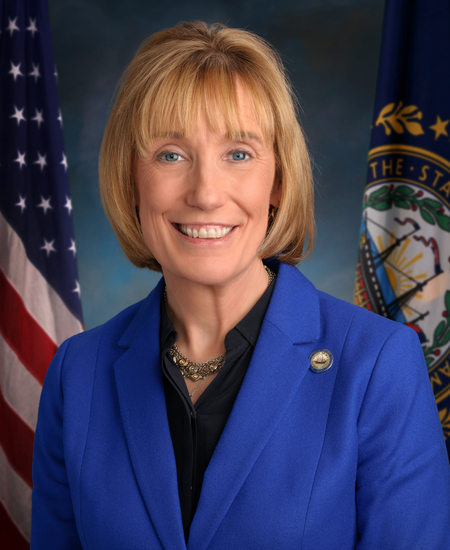
Sen. Margaret Wood Hassan
Sponsored bills
This resolution designates March 2023 as National Women's History Month. The resolution also recognizes the celebration of such month as a time to reflect on the contributions that women have made to the United States.
Maddy summaryThe International Human Rights Defense Act of 2023 establishes a permanent Special Envoy for LGBTQI+ human rights at the Department of State to lead U.S. foreign policy efforts addressing discrimination and violence against LGBTQI+ people globally. The bill requires the Special Envoy to develop an annual global strategy to prevent and respond to criminalization, discrimination, and violence against LGBTQI+ individuals, with mandatory reporting on countries that criminalize same-sex relationships or discriminate based on sexual orientation, gender identity, or sex characteristics. It directs U.S. foreign assistance to support programs that protect LGBTQI+ rights, including health initiatives addressing HIV/AIDS in LGBTQI+ communities, and requires training for U.S. personnel and foreign officials on LGBTQI+ rights issues. The bill also mandates regular congressional briefings on the status of LGBTQI+ rights worldwide and U.S. government efforts to address abuses.
Maddy summaryS 976, the After Hours Child Care Act, creates a new federal grant program to improve child care access for parents working nontraditional hours (evenings, nights, weekends). It directly affects working parents with young children and eligible child care providers who serve them. The bill authorizes $10 million over five years to fund competitive grants (ranging from $25,000 to $500,000) for providers or partnerships to expand existing care, establish workplace programs, or support quality improvements. Grantees must cover 25% of costs, and the Secretary must report biennially on children served and program impacts.
Maddy summaryThe Success for Rural Students and Communities Act of 2023 establishes a federal grant program to improve educational outcomes and economic opportunities in rural areas. It authorizes $60 million annually for competitive grants to partnerships between rural-serving colleges, local schools, economic development groups, and community organizations. Grantees must use funds to support at least two of four key activities: boosting college enrollment and graduation rates for rural students (including nontraditional learners), developing workforce-aligned academic programs, or creating local economic opportunities. Grants require 20% non-federal matching funds and must be implemented over 5-9 years to address rural education gaps and connect education to regional job markets.
Maddy summaryThis bill amends the National Quantum Initiative Act to explicitly include "quantum molecular modeling or simulation" within the definition of quantum information science and as a specific research focus for federal programs. It directly affects the federal quantum research agenda by directing the National Institute of Standards and Technology (NIST) to prioritize this specific application area. The key change is adding "modeling, simulation" to the definition and creating a new research category (H) under the program, ensuring federal funding and coordination target this emerging field.
Maddy summaryThe Healthy Moms and Babies Act (S 948) establishes new requirements for Medicaid and CHIP programs to improve maternal and infant health outcomes. The bill mandates states to report on maternal health quality measures, including cesarean birth rates, and creates a "maternity health home" option allowing pregnant and postpartum women to receive coordinated care through designated providers. Key provisions include requiring quality improvement initiatives to reduce unnecessary cesarean sections, expanding access to doula services, and directing studies on racial disparities in maternal care. The act also requires states to collect data on social determinants of health affecting pregnant and postpartum women and provides guidance for improving care coordination across providers. These changes directly affect pregnant and postpartum women enrolled in Medicaid or CHIP, as well as state Medicaid programs and healthcare providers.
Maddy summaryThis bill requires the CDC to collect and publicly share information about concussions and traumatic brain injuries (TBIs) affecting public safety officers, including research on prevention, diagnosis, and treatment. It mandates updating the CDC website and developing targeted resources for medical professionals, public safety employers, mental health providers, patients/families, and researchers. The goal is to improve care for officers, reduce injury incidents through better protocols, and enhance awareness of TBI impacts. The bill specifically covers law enforcement, firefighters, and other public safety personnel as defined by federal law.
Maddy summaryThis bill modifies U.S. tax code to boost research and development (R&D) investment by businesses. It allows companies to immediately deduct R&D costs (instead of amortizing them over 5 years) and expands refundable tax credits for small businesses, raising the annual credit cap from $250,000 to $750,000 by 2032. Small businesses with gross receipts under $15 million can now qualify for higher credit rates (up to 20% of R&D costs) and may exclude years with no R&D expenses when calculating credits. The changes apply to taxable years beginning after December 2022, directly benefiting R&D-focused startups and small businesses.
Maddy summaryThis is a ceremonial Senate resolution (SRES 110) honoring the late James George Abourezk, the first Arab American to serve in the U.S. Senate (1973-1979) from South Dakota. It commemorates his legacy, including his work re-establishing the Senate Committee on Indian Affairs and co-authoring key Native American rights legislation like the Indian Child Welfare Act. The resolution directs the Senate to adjourn in his memory and send a copy to his family, acknowledging his service as a representative and advocate for Native American communities. As a procedural resolution, it has no legislative effect beyond commemoration.