

Maddy summaryThis bill requires pharmaceutical companies and group purchasing organizations to publicly disclose payments made to patient advocacy groups. Starting March 31, 2027, and annually after, these entities must report the name of the organization and the payment amount to the government. The disclosure covers both direct payments and indirect payments routed through third parties. It directly affects patient advocacy groups that provide education, support, or advocacy for patients with medical conditions, as defined by the bill. The requirement applies to organizations meeting specific IRS 501(c)(3) criteria focused on patient care.
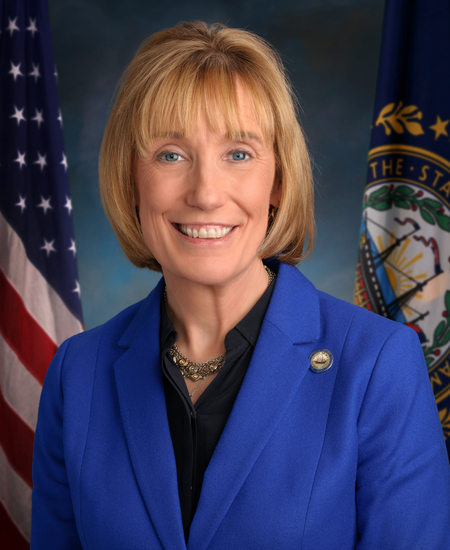
Sen. Margaret Wood Hassan
Sponsored bills
Maddy summaryThis bill (S 2648) prohibits workforce reductions or hiring freezes at public naval shipyards due to budget cuts, fund reprogramming, or probationary status. It directly protects specific shipyard worker positions, including welders, pipefitters, nuclear technicians, engineers, apprentices, and roles supporting infrastructure maintenance and the Shipyard Infrastructure Optimization Program. The law exempts these listed roles from workforce cuts but does not restrict the Secretary of Defense from managing staff for misconduct or poor performance under existing procedures. This creates a permanent safeguard for these critical shipyard jobs during fiscal challenges.
Maddy summaryThe West Bank Violence Prevention Act of 2025 imposes U.S. sanctions on foreign individuals or entities responsible for specific actions threatening peace in the West Bank. It targets those who commit violence against civilians, threaten violence to force relocation, destroy private property without consent, or engage in terrorism. Sanctions include freezing U.S. assets, banning visas, and restricting entry for designated individuals. Exceptions cover humanitarian aid (food, medicine, agricultural commodities) and activities required for U.S. intelligence or international obligations. The law requires regular reports to Congress on implementation and West Bank violence assessments.
Maddy summaryThis bill establishes federal standards for trauma kits used by police departments receiving federal grant funding. It requires all such kits to include specific components like tourniquets, bleeding control bandages, and instructional materials from recognized medical sources, and mandates training for officers on their use. Police departments must follow these standards when purchasing kits with federal funds, though they can still assemble kits from approved components. The bill also sets requirements for maintaining and strategically placing these kits in patrol vehicles and agency facilities.
Maddy summaryThis bill amends the Public Safety Officers' Death Benefits Program to include retired law enforcement officers who die or become permanently disabled due to targeted attacks related to their past service. It adds a new eligibility provision (Section 1201(p)) defining "retired law enforcement officer" and covering injuries from attacks specifically motivated by their former role. The law applies retroactively to pending claims and new filings after enactment, with exceptions for cases occurring before 2012. It directly affects retired officers whose service led to targeted violence, expanding their access to death and disability benefits under existing federal law.
Maddy summaryThis bill reforms how Medicare pays for skin substitute products used to treat chronic wounds like diabetic foot ulcers. It establishes a new payment system based on a volume-weighted average of historical prices for all covered skin substitutes (excluding temporary dressings or certain other products), effective January 2026. This replaces current pricing that varied by product type and incentivized expensive options, aiming to contain costs while ensuring all clinically similar products are covered equally. The reform directly affects Medicare beneficiaries requiring wound care, healthcare providers selecting treatments, and Medicare's payment system for these products.
Maddy summaryS 2627 requires the United States Postal Service (USPS) to establish a single, unique ZIP Code exclusively for the entire town of Swanzey, New Hampshire. The bill mandates that the USPS complete this designation within 180 days of the bill's enactment. This change would directly affect Swanzey residents and businesses by providing a dedicated ZIP Code for mail delivery, replacing any current multi-code system serving the area. The provision is procedural, focusing solely on postal service administration without altering other USPS policies or creating new federal obligations.
Maddy summaryThis bill (S 2529) clarifies the process for switching prescription drugs to over-the-counter (OTC) status. It requires the FDA to hold meetings with drug manufacturers to develop application plans, issue new guidance within 18 months on evidence standards (including how to use medical literature and demonstrate consumer understanding), and create a public stakeholder engagement plan. The bill directly affects drug manufacturers seeking to switch products and the FDA’s review process. Key provisions define "full" (same use conditions) and "partial" (limited conditions) switches and set clear expectations for supporting evidence, aiming to make the approval process more predictable.
Maddy summaryThis bill permanently extends the enhanced premium tax credit for Affordable Care Act marketplace insurance plans, directly affecting millions of lower-income households (earning 150%-400% of the federal poverty level) who purchase coverage through state or federal marketplaces. It establishes a sliding-scale percentage system where the tax credit reduces monthly premiums based on income, starting at 0% for households earning up to 150% of poverty and increasing to 8.5% for those earning 300%-400% of poverty. The bill replaces temporary provisions with permanent rules, ensuring consistent cost-sharing support for eligible buyers. The changes apply to tax years beginning after December 31, 2025.
Maddy summaryThe Safe Response Act (S 2532) amends the Public Health Service Act to update first responder training requirements for overdose response. It broadens training to cover "opioid, heroin, and other drug" overdoses (replacing previous opioid-specific language) and updates product terminology to include "approved, cleared, or otherwise legally marketed" medical devices. The bill also adjusts funding, increasing annual support for the program from $36 million (2019-2023) to $57 million (2026-2030). These changes directly affect first responders and tribal programs receiving federal training funds, ensuring training aligns with current drug use patterns and medical product standards.