

Maddy summaryThis bill prohibits the Transportation Security Administration (TSA) from using facial recognition technology or facial matching software at airports without new congressional authorization. It requires the TSA to dispose of all existing facial biometric data (images and videos) within 90 days of the law's enactment. The bill modifies existing aviation security laws to explicitly exclude facial recognition technology from provisions covering biometric systems and security technologies. These changes directly affect TSA operations and travelers passing through airports, as the law restricts how passenger biometric data can be collected and used.
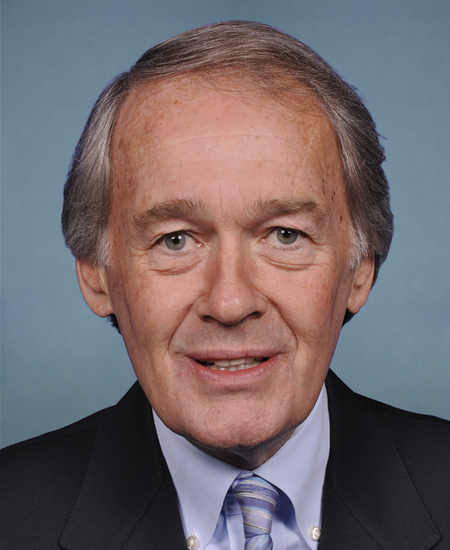
Sen. Edward J. Markey
Sponsored bills
Maddy summaryThis non-binding Senate resolution (SRES 465) designates November 20-December 20, 2023, as "National Survivors of Homicide Victims Awareness Month." It expresses congressional support for raising public awareness about the needs of individuals who have lost loved ones to homicide, including family members, schools, and communities. The resolution calls for promoting awareness, supporting survivors with services and information, and encouraging research to improve behavioral health resources for those impacted by homicide. It does not create new laws or allocate funding but aims to highlight the trauma survivors face and foster community support during this designated period.
Ending the Carried Interest Loophole Act This bill revises the tax treatment of partnership interests received in connection with the performance of services. It eliminates the concept of carried interest, a form of compensation received by certain partners in private equity, real estate, or hedge funds for investment management services. Under current law, such compensation can be deferred from taxation until income is realized by the partnership. The bill requires partners to recognize deemed compensation received from a partnership annually, taxed at ordinary income tax rates and subject to self-employment taxation. The bill eliminates a partner's ability to defer tax on such compensation.
Maddy summaryThis bill establishes a new immigration category for "climate-displaced persons" who are forced to leave their homes due to climate-related disasters, such as flooding, drought, or extreme weather events. It sets an annual admission goal of at least 100,000 climate-displaced persons to the United States starting in fiscal year 2024, with the ability to increase this number in response to major climate disasters. The bill also requires the U.S. government to collect data on climate displacement, develop a Global Climate Change Resilience Strategy, and provide training for diplomats and immigration officers on climate displacement issues. This legislation directly affects individuals displaced by climate events, as well as U.S. immigration and foreign assistance agencies responsible for implementing the new program.
Maddy summaryThe Child Care Nutrition Enhancement Act of 2023 increases federal reimbursements for child care providers participating in the Child and Adult Care Food Program (CACFP). It adds a fixed 10-cent payment per meal or snack served, adjusted annually, to existing reimbursement rates for all CACFP providers, including child care centers and family day care homes. This change applies to all meals and supplements served under the program and takes effect in the first month after the bill is enacted. The amendment modifies multiple sections of the National School Lunch Act to incorporate this additional reimbursement into payment calculations.
Maddy summaryThis bill extends the funding period for the READ Act program from five to ten fiscal years. It directly affects the READ Act's implementation, which provides resources for literacy development in early childhood education. The key mechanism is amending the existing law to change the duration of authorized funding, ensuring continued support for literacy initiatives through 2033. This is a procedural reauthorization with no new policy changes.
Maddy summarySRES 408 is a non-binding Senate resolution condemning Hamas for its October 7, 2023, terrorist attacks on Israel, which killed over 1,400 Israelis and abducted nearly 200 hostages. The resolution demands Hamas immediately release all hostages, provide medical care, and cease using them as human shields, while calling on the U.S. to lead global efforts for their safe return. It specifically references Hamas's attacks on Israeli communities, the Nova music festival, and the execution of civilians, citing international law violations. As a symbolic resolution (not a law), it does not impose legal requirements or directly affect any individuals or policies.
Maddy summaryThis bill repeals an exemption in the Fair Labor Standards Act that currently allows truck drivers to be excluded from overtime pay requirements. It would directly affect commercial truck drivers by requiring them to receive overtime pay for hours worked beyond 40 in a workweek, aligning them with most other hourly workers. The key mechanism is removing the specific legal exception (Section 13(b)(1)) that permitted employers to deny overtime to truckers. This change would implement a concrete policy shift in federal labor law regarding truck driver compensation.
Maddy summaryThe FAMILIES Act creates a program to divert parents, expectant parents, and caregivers (including those responsible for minor children, elderly family members, or individuals with disabilities) from incarceration into community-based supervision. Instead of prison or probation, eligible individuals would participate in the FAMILIES Program, which provides education, job training, substance abuse treatment, parenting programs, and other services tailored to family needs. The bill prohibits user fees or financial barriers without considering an individual's ability to pay, and allows for pre-judgment sentencing where individuals complete the program without a criminal conviction. It also establishes expungement procedures for individuals under 21 at the time of the offense who successfully complete the program. Judges must consider factors like caregiver responsibilities, community ties, and the impact on families before determining if diversion is appropriate.
Maddy summaryThis bill prohibits the detention of pregnant, lactating, or postpartum noncitizens under U.S. immigration law, requiring immediate release unless specific, narrow exceptions apply (e.g., an immediate threat to safety). It bans physical restraints during labor, delivery, or postpartum care, mandates access to comprehensive reproductive health services - including abortion - and requires facilities to conduct biweekly reviews of detained pregnant individuals. Detention facilities must report quarterly on restraint use, detention lengths, and birth outcomes to ensure compliance. The law directly affects immigrant women in immigration custody and applies to all facilities holding such individuals under U.S. immigration authority.