Maddy summaryThis bill reauthorizes funding for the Lake Tahoe Restoration Act, extending program authority until September 30, 2034. It directly affects the federal-state partnership managing Lake Tahoe's environmental restoration efforts, including water quality, habitat, and forest health projects. The key provision modifies the original law's funding timeline, replacing a fixed 4-year period with a new end date (September 30, 2034), ensuring continued financial support for ongoing restoration work. The legislation maintains existing program structures without introducing new policy changes.
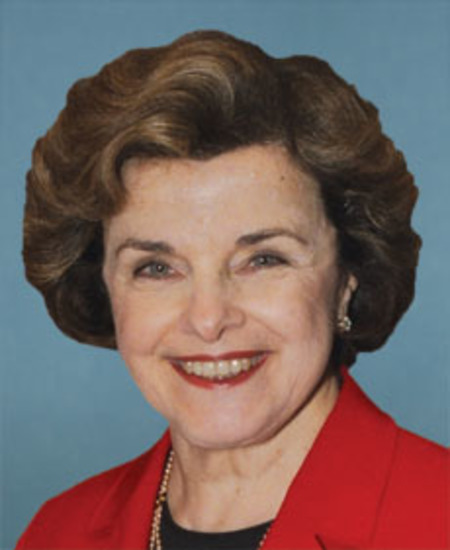
Sen. Dianne Feinstein
Sponsored bills
Maddy summaryThis bill awards a Congressional Gold Medal to the United States Army Dustoff crews who served during the Vietnam War, recognizing their life-saving medical evacuations. The medal, to be designed by the Secretary of the Treasury in consultation with the Secretary of Defense, will be displayed at the U.S. Army Medical Department Museum. The bill honors the approximately 900,000 wounded personnel these crews transported over the course of the Vietnam War, including U.S., South Vietnamese, and allied forces, who relied on their rapid medical evacuation services.
Maddy summary# Summary of the California Protected Areas Legislation This legislation designates and protects numerous natural areas across California through multiple titles: ## Key Designations 1. **Wilderness Areas**: The bill designates numerous new wilderness areas and additions, including: - Caliente Mountain Wilderness (35,116 acres) - Soda Lake Wilderness (13,332 acres) - Temblor Range Wilderness (12,585 acres) - Condor Peak Wilderness (8,207 acres) - Yerba Buena Wilderness (6,694 acres) - And many others across the Central Coast and San Gabriel Mountains regions 2. **Scenic Areas**: Establishes: - Condor Ridge Scenic Area (18,666 acres) - Black Mountain Scenic Area (16,216 acres) 3. **Wild and Scenic Rivers**: Designates segments of numerous waterways as wild, scenic, or recreational rivers, including: - East Fork San Gabriel River - North Fork San Gabriel River - West Fork San Gabriel River - Little Rock Creek and tributaries - Indian Creek - Mono Creek - Matilija Creek - Sisquoc River 4. **National Monument**: Modifies the San Gabriel Mountains National Monument to include approximately 109,167 additional acres. ## Key Provisions - **Administration**: Establishes management requirements for wilderness areas, scenic areas, and wild and scenic rivers in accordance with the Wilderness Act and other relevant laws. - **Special Use Authorizations**: Permits continued operation of existing water diversions and electrical facilities within wilderness areas under specific conditions. - **Native American Access**: Ensures access for Native American tribes to wilderness areas for traditional cultural and religious purposes, with provisions for temporary closures. - **Trail Management**: Allows for trail construction, reconstruction, and realignment within potential wilderness areas to accommodate existing uses while minimizing impacts. - **Water Rights**: Explicitly states that the legislation does not affect existing water rights or establish new water rights. - **Fire Management**: Permits necessary fire management activities in wilderness areas while maintaining wilderness character. This legislation significantly expands protected lands in California, balancing conservation with existing uses and activities, while providing clear management frameworks for these newly designated areas.

Maddy summaryThe END FENTANYL Act (S 206) requires the U.S. Customs and Border Protection Commissioner to review and update inspection policies at ports of entry every three years. This ensures inspection practices can address new methods used to smuggle drugs and people across the border. After each update, the Commissioner must report changes to Congress. The bill directly affects how CBP operates at U.S. border crossings.
Maddy summaryThe Excess Urban Heat Mitigation Act of 2023 establishes a federal grant program to fund local projects reducing urban heat in low-income and racially impacted neighborhoods. It allocates $30 million annually (2023-2030) for eligible entities like cities or nonprofits to implement measures such as planting trees, installing cool roofs/pavements, and creating cooling centers in areas with high heat exposure and low tree cover. At least 75% of funds must target "covered census tracts" (defined as low-income areas with ≥20% poverty), requiring projects to include community engagement and address racial/environmental disparities. The program mandates annual reporting to Congress and oversight to ensure projects effectively combat urban heat island effects.
Maddy summaryS.1267, the Fair Housing Improvement Act of 2023, expands federal housing anti-discrimination protections under the Fair Housing Act. It adds "source of income" (including housing vouchers, Social Security benefits, child support, and other lawful income), "veteran status," and "military status" as protected categories in housing. This directly affects renters and homebuyers using these income sources or who are veterans/military members, prohibiting landlords and housing providers from discriminating against them. The bill amends key sections of the Fair Housing Act to include these new categories and provides a 40-month transition period for agencies to adjust certifications.
Maddy summaryThe Clean Energy Minerals Reform Act of 2023 establishes a new regulatory framework for hardrock mineral mining on federal lands. It requires mining operations to pay royalties of 5-8% on mineral production (with exemptions for existing operations), introduces annual $200 maintenance fees for existing mining claims, and $50 location fees for new claims. The bill creates a Hardrock Minerals Reclamation Fund to finance reclamation of abandoned mine sites, funded by these new fees and royalties. It also establishes new permitting requirements for exploration and mining activities, including environmental protection standards and financial assurances for reclamation. The law directly affects mining claim holders, operators, and the federal government through new revenue streams and regulatory requirements.
Maddy summaryThis bill authorizes $50 million annually (2023-2027) for the VA to award grants to states to improve outreach and assistance for veterans and their families (including spouses, children, and parents) regarding veterans' benefits. States must use funds to hire more veterans service officers, expand outreach programs, or provide training, with priority for areas lacking officers, high veteran suicide rates, or frequent crisis line referrals. Grantees must submit detailed plans ensuring equitable distribution across urban/rural areas and addressing needs of underserved veterans (e.g., Native American, elderly, women veterans), while tracking benefit application timelines and outcomes. The VA will monitor performance, require remediation plans for underperforming states, and report annually to Congress.
Maddy summaryThis bill extends the funding period for the READ Act program from five to ten fiscal years. It directly affects the READ Act's implementation, which provides resources for literacy development in early childhood education. The key mechanism is amending the existing law to change the duration of authorized funding, ensuring continued support for literacy initiatives through 2033. This is a procedural reauthorization with no new policy changes.
Maddy summaryThis bill reauthorizes funding for the DNA Analysis Backlog Elimination Act program, extending the funding period from fiscal years 2019-2024 to 2024-2029. It directly affects law enforcement agencies and crime laboratories that process forensic DNA evidence to reduce backlogs. The key provision updates the timeframe for federal grants that help these agencies conduct DNA testing on unsolved cases. This ensures continued support for analyzing biological evidence in criminal investigations without creating new requirements.