

National Apprenticeship Act of 2021 This bill provides statutory authority for the registered apprenticeship program within the Department of Labor and for related grant programs. The bill provides statutory authority for the Office of Apprenticeship (OA) within Labor. The OA's responsibilities include (1) supporting the development of apprenticeship models; (2) recognizing qualified state apprenticeship agencies, and operating apprenticeship offices in states without a recognized agency; (3) providing technical assistance to state agencies; (4) periodically updating requirements for each occupation in the apprenticeship program and determining whether to approve new occupations for the program; (5) promoting greater diversity in the national apprenticeship system; and (6) awarding grants provided by this bill. The bill also establishes in statute the responsibilities of state apprenticeship agencies and offices, including (1) providing technical assistance to stakeholders, (2) resolving complaints, (3) establishing state performance goals, and (4) including in its written plan a description of how its apprenticeship programs align with the skills needs of the state's employers. The OA shall enter into an agreement with the Department of Education to promote the integration and alignment of apprenticeship programs with secondary, postsecondary, and adult education. The OA shall award grants, contracts, or cooperative agreements to eligible entities to (1) expand national apprenticeship system programs, including by expanding pre-apprenticeship and youth apprenticeship programs; (2) encourage employer participation; and (3) strengthen alignment between the apprenticeship system and education providers. The bill provides statutory authority for criteria for various programs, including (1) quality standards for apprenticeships, (2) requirements for apprenticeship agreements between a program sponsor and an apprentice, and (3) acceptable uses for grant funds awarded by this bill. The bill also provides statutory authority for the National Advisory Committee on Apprenticeships. The committee's duties shall include advising the OA on matters relating to this bill and providing recommendations on topics such as increasing the participation of populations not traditionally involved in the national apprenticeship system. Labor shall engage an independent entity to conduct research on ways to improve the management and effectiveness of national apprenticeship system programs.
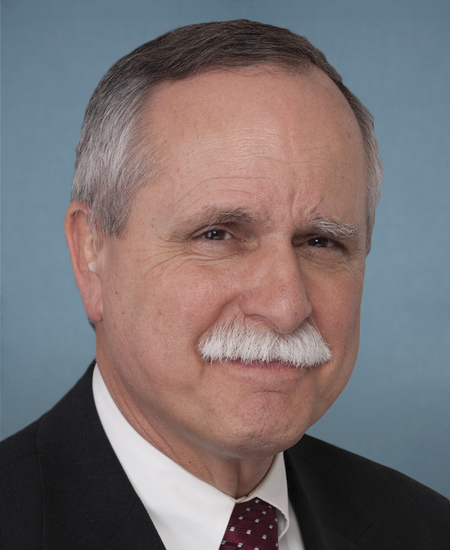
Rep. David B. McKinley
Sponsored bills
This resolution opposes lifting specified sanctions on Iran and resolves that these sanctions may be terminated only after Iran has ceased providing support for acts of international terrorism and has dismantled its nuclear, biological, and chemical weapons and related technologies.
American Innovation and R&D Competitiveness Act of 2021 This bill eliminates the five-year amortization requirement for research and experimental expenditures scheduled to begin in 2022, thus allowing continued expensing of such expenditures in the taxable years in which they are incurred.
Living Donor Protection Act of 2021 This bill prohibits certain insurance carriers from discriminating against, and provides other protections for, living organ donors. Specifically, carriers may not deny, cancel, or otherwise impose conditions on policies for life insurance, disability insurance, or long-term care insurance based on an individual's status as a living organ donor. The bill also expressly specifies that recovery from organ-donation surgery constitutes a serious health condition that entitles eligible employees to job-protected medical leave. In addition, the Department of Health and Human Services must update educational materials on live organ donation to include information about the benefits of live organ donation and about access to insurance for living organ donors.
Protecting Our Wealth of Energy Resources Act or the POWER Act This bill requires the President and federal agencies to obtain the approval of Congress before prohibiting or substantially delaying certain new energy or mineral leases or permits on federal lands, including oil and gas leases, coal leases, hard rock leases, or critical minerals leases. In addition, the President and agencies must obtain the approval of Congress before withdrawing certain federal lands from mineral and geothermal leasing activities.
Saving America's Mines Act This bill bars the President, the Department of the Interior, or the Department of Agriculture from declaring a moratorium on or reversing any existing lease, permit, or claim, for the mining and extraction of any critical mineral or common varieties of sand, stone, and gravel on National Forest System or Bureau of Land Management land unless specifically authorized by statute or upon the lessee, permittee, or claimant's failure to comply with any of the provisions of its agreement.
ABLE Age Adjustment Act This bill increases from 26 to 46 the age threshold for tax-favored ABLE (Achieving a Better Life Experience) accounts. (ABLE accounts are designed to enable individuals with disabilities to save for and pay for disability-related expenses. To establish an account, an individual must have a qualifying impairment that began before the individual attained the age threshold.)
Helping Experts Accelerate Rare Treatments Act of 2021 This bill addresses rare diseases, including by requiring the Food and Drug Administration to ensure the inclusion of rare disease experts and staff members in various parts of the drug review process. The bill also requires certain reports to address issues related to rare diseases and drugs for treating such diseases (sometimes referred to as orphan drugs if the rarity of the disease makes it difficult for the drug to be profitable).
Help Extend Auditory Relief Act of 2021 or the HEAR Act of 2021 This bill provides for Medicare coverage of hearing aids and hearing rehabilitation services. Covered services include hearing aid assessments, fittings, and related instructional services.
Opioid Patients' Right to Know Act of 2021 This bill requires the Centers for Disease Control and Prevention to award grants to states to educate health care providers about opioid prescribing practices. To receive a grant, a state must have a law or regulation that requires providers to, before issuing an initial opioid prescription to treat acute pain, inform patients about the risks of opioids and the availability of non-opioid treatment alternatives. States must use the grants to educate providers about relevant laws or regulations and safe opioid prescribing recommendations.