

This concurrent resolution declares that Congress should not impose any new performance fee, tax, royalty, or other charge relating to the public performance of sound recordings on a local radio station for broadcasting sound recordings over the air, or on any business for such public performance of sound recordings.
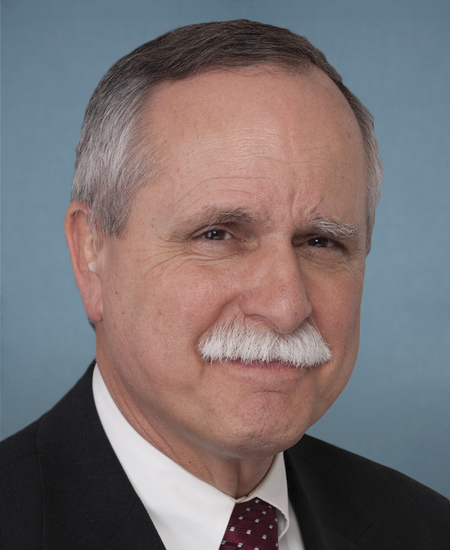
Rep. David B. McKinley
Sponsored bills
Maddy summaryHRES 785 is a symbolic resolution designating November 8, 2021, as "National First-Generation College Celebration Day." It urges all Americans to celebrate this day, recognize the contributions of first-generation college students (those whose parents did not earn bachelor's degrees), and honor the Higher Education Act of 1965. The resolution highlights existing federal programs like TRIO and Pell Grants that support underrepresented students but does not create new laws or funding. As a non-binding resolution, it has no direct policy impact but aims to raise awareness about first-generation students' challenges and achievements.
Maddy summaryHRES 386 is a symbolic resolution introduced in the U.S. House of Representatives that expresses support for recognizing "National Police Week" each year. The resolution acknowledges law enforcement officers' sacrifices, particularly during the pandemic, and encourages the public to honor their service. As a non-binding statement, this resolution does not create new law or change policy but serves as a formal expression of support for law enforcement officers across the United States.
This bill prohibits military departments from taking any adverse action against a member of the Armed Forces based solely on the member's refusal to receive a COVID-19 vaccination or to disclose whether they have received such vaccination.
Protect and Serve Act of 2021 This bill establishes a new criminal offense for knowingly assaulting a law enforcement officer and causing serious bodily injury (or attempting to do so) in circumstances that affect interstate commerce. It imposes criminal penalties—a prison term, a fine, or both—on a violator.
Confidentiality Opportunities for Peer Support Counseling Act or the COPS Counseling Act This bill sets forth requirements related to peer support counseling programs. A peer support counseling program is a program provided by a law enforcement agency that provides counseling services from a peer support specialist to a law enforcement officer of the agency. Among other things, the bill does the following: generally prohibits the disclosure of the contents of a peer support communication, and requires the Department of Justice to develop best practices and professional standards for peer support counseling programs.
Maddy summaryHRES 779 is a symbolic resolution introduced in the U.S. House of Representatives on November 5, 2021. It expresses Congress’s disapproval of the Occupational Safety and Health Administration’s (OSHA) emergency temporary standard (ETS) requiring employers with over 100 workers to mandate COVID-19 vaccinations or weekly testing/mask-wearing. The resolution argues OSHA overstepped its authority by treating COVID-19 as a workplace-specific risk, despite Congress having delegated vaccine-related authority to other agencies like the FDA and CDC. As a non-binding resolution, it does not change any laws or enforceable requirements - it only states congressional opinion on the ETS.
Stop Vaccine Mandates Act This bill rescinds the executive order titled Ensuring Adequate COVID Safety Protocols for Federal Contractors and the executive order titled Requiring Coronavirus Disease 2019 Vaccination for Federal Employees , both published on September 9, 2021. The bill provides that these executive orders shall have no force or effect.
Our Veterans Earned It Act This bill prohibits members of the Armed Forces who refuse to receive a COVID-19 vaccination from being denied a federal benefit they are entitled to by reason of their service in the Armed Forces.
Rural Health Training Act of 2021 This bill requires the Health Resources and Services Administration to establish a grant program for rural hospitals, health clinics, and community health centers to provide training to employees who are nonphysician clinicians or health care support staff. As a condition of receiving grant-funded training, a trainee must continue working for the grantee for at least five years. The bill also expands the allowable uses of funding to include a trainee's childcare or transportation expenses. The Government Accountability Office must report on the impact of the grants on health care workforce retention at rural health care facilities.