

Maddy summaryHCONRES 46, the "Fiscal State of the Nation Resolution," requires the House and Senate Budget Committees to hold an annual joint hearing within 45 days of the Treasury's submission of the federal government's audited financial statement. At this hearing, the Comptroller General will present an objective, nonpartisan analysis of the government's financial condition, including deficits, surpluses, and long-term fiscal projections, as required by the Government Accountability Office's standards. The hearing must be open to the public and allow all members of Congress to participate, regardless of committee membership. This resolution ensures Congress receives regular, factual reviews of federal finances without political bias.
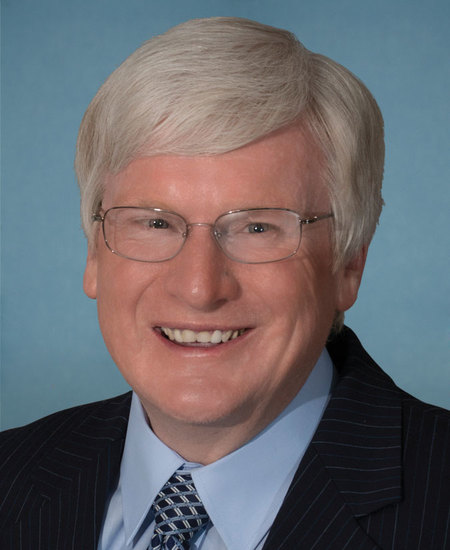
Rep. Glenn Grothman
Sponsored bills
Maddy summaryHR 3462 requires public schools receiving federal funds to obtain explicit parental consent before accommodating a student's gender identity (e.g., changing names/pronouns or facilitating social transition) or before referring students to medical providers for gender-related care. It prohibits schools from hiding a student's gender identity or transition plans from parents, withholding information about gender-related accommodations, or pressuring parents to support gender-affirming actions. Schools must publicly post written policies ensuring compliance and provide copies to families. The bill allows parents or the Attorney General to file civil lawsuits against schools violating these rules, seeking injunctions, attorney fees, or compensation for harm caused by unauthorized gender transition support.
Maddy summaryThis bill creates a reimbursement program for businesses that handle permanently dyed diesel fuel or kerosene previously taxed under highway fuel tax rules but exempt from those taxes. The IRS will pay eligible businesses the amount of tax they paid on this fuel when it was removed from terminals, provided the fuel meets specific criteria (previously taxed but exempt under Section 4082). It directly affects fuel distributors and businesses using non-highway fuel, such as for agricultural or construction purposes. The payment applies to fuel removed 180 days after the bill becomes law.
Maddy summaryHR 3492, the Gun Owner Registration Information Protection Act, prohibits federal agencies from funding or supporting state databases that track lawfully owned firearms or their owners. This directly affects states maintaining such databases, requiring them to cover costs themselves if they choose to keep these systems operational. The bill allows federal funding for databases tracking lost or stolen firearms, as specified in the exception. The key policy change is blocking federal financial support for databases compiling information on legal gun ownership, without banning the databases outright.
Maddy summaryThe Stop TSP ESG Act (HR 3406) requires the Thrift Savings Fund (TSP) to delegate voting rights on securities to a qualified professional asset manager instead of its governing board. This amendment to Section 8438(f) of Title 5, U.S. Code, directly affects the TSP, which manages retirement savings for federal employees. The key mechanism mandates that voting on securities must be handled by an external professional manager, removing direct TSP Board control over investment decisions. The bill's title indicates it aims to prevent the TSP from incorporating ESG (Environmental, Social, and Governance) factors into its investment strategy.
Maddy summaryThis bill requires the Comptroller General to annually investigate nationwide theft of mail and USPS property for five years, reporting findings to specific congressional committees. The reports must detail current USPS theft prevention measures and offer concrete recommendations for improving security. This directly affects the U.S. Postal Service by mandating regular oversight and providing Congress with data to inform future policy decisions. The legislation focuses on establishing a structured reporting process to address theft patterns, without specifying new funding or enforcement actions.
Maddy summaryThis bill allows utility companies (like electricity, gas, and internet providers) and landlords to report payment history for essential services to credit bureaus, expanding credit reporting beyond traditional loans. It directly affects consumers who pay these bills regularly but may lack traditional credit history, potentially helping them build credit. Key provisions limit reporting to actual payment behavior (not usage data) and prevent utilities from reporting late payments if a consumer is on a valid payment plan. The bill also requires a government study to assess the impact of this reporting on consumers within two years.
Maddy summaryThe Responsible Borrowing Act of 2023 allows colleges to set lower annual or lifetime borrowing limits for students in specific programs if debt levels appear excessive relative to graduate earnings. Institutions may use data from the Bureau of Labor Statistics (average regional starting salaries) or the College Scorecard (median earnings for program graduates) to determine these limits, or adjust based on enrollment status, credential type, or program year. Students whose loans are capped can request an increase, but institutions retain discretion. This applies only to new students starting after June 2024 and prohibits limits based on protected characteristics like race or gender.
National Law Enforcement Officers Remembrance, Support and Community Outreach Act This bill directs the Department of Justice (DOJ) to establish a National Law Enforcement Officers Remembrance, Support, and Community Outreach Program. The bill further directs DOJ to award a grant under the program to the National Law Enforcement Officers Memorial Fund for the expenses associated with community outreach, public education, and officer safety and wellness programs operated by the of the National Law Enforcement Officers Memorial Fund and National Law Enforcement Museum.
Maddy summaryHR 3328 (Protecting Children From Experimentation Act of 2023) prohibits healthcare professionals from performing or referring for gender transition procedures on minors under 18. The bill defines "gender transition procedures" to include puberty-blocking drugs, cross-sex hormones, and surgeries (like genital or non-genital procedures) aimed at altering physical characteristics to match a gender different from a minor’s biological sex. It excludes care for minors with medically verified disorders of sex development or conditions requiring urgent medical treatment. Violations could result in fines, up to 5 years in prison, or both for providers, while minors receiving such care cannot be prosecuted.