

Maddy summaryHRES 107 is a symbolic resolution recognizing Tribal colleges and universities (TCUs) and proposing the week beginning February 5, 2023, as "National Tribal Colleges and Universities Week." It highlights that TCUs - 35 accredited institutions serving over 230 federally recognized tribes - provide culturally grounded education, access to higher learning in underserved communities, and workforce preparation for American Indian, Alaska Native, and other students. The resolution calls on the House to support the designation and urges the public to observe the week with activities demonstrating support for TCUs. As a non-binding resolution, it does not create new laws but aims to raise awareness of TCUs' national importance.
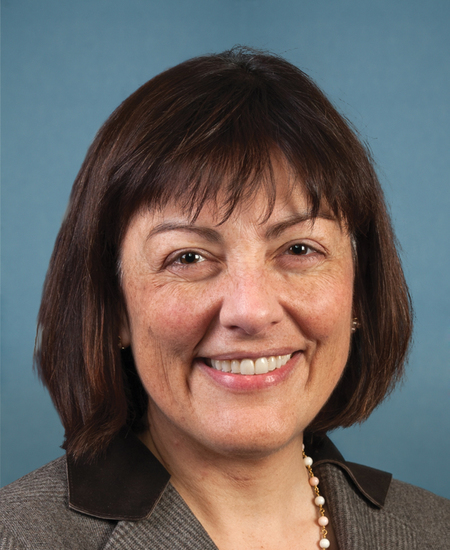
Rep. Suzan K. DelBene
Sponsored bills
Maddy summaryHR 866, the Equal COLA Act, changes how cost-of-living adjustments (COLAs) are calculated for federal retirees under the Federal Employees Retirement System (FERS). It requires that each year's COLA be based on the exact percent change in the price index from the previous year's base quarter, rounded to the nearest 0.1%, effective December 1. This applies to all FERS annuities starting before, on, or after the bill's enactment date, ensuring a standardized calculation method for retirees' annual adjustments.
Maddy summaryThis bill amends federal law to include Transportation Security Administration (TSA) officers who die while performing official duties protecting transportation systems as eligible for public safety officers' death benefits. It specifically adds TSA employees working to "ensure freedom of movement for people and commerce" to the list of covered personnel under the Omnibus Crime Control and Safe Streets Act. The change applies to deaths occurring on or after October 31, 2013, directly affecting TSA officers and their families by expanding access to death benefits previously available only to other public safety personnel.
Maddy summaryThe Better Care Better Jobs Act (HR 547) aims to improve access to home and community-based services (HCBS) for Medicaid beneficiaries by providing states with planning grants and enhanced federal funding. States that develop approved HCBS infrastructure improvement plans will receive a 10 percentage point increase in federal Medicaid funding for HCBS services, with additional incentives for self-directed care programs. The bill requires states to address barriers to access, expand workforce development, improve payment rates for direct care workers, and track demographic data on service utilization. It also establishes quality measurement requirements and mandates regular reporting on progress toward improving HCBS access and quality.
Maddy summaryHR 765, the African American History Act, authorizes $2 million annually for the National Museum of African American History and Culture to develop educational resources and programs about African American history. The bill directs the museum to create accessible teaching materials, support teacher professional development, and expand digital content for schools and the public, focusing on contributions, civil rights, and historical contexts. It requires annual reports to Congress and expires in 2028. The program directly supports educators, students, and families in learning about African American history through museums, schools, and online platforms.
Maddy summaryHR 715, the Bipartisan Background Checks Act of 2023, requires background checks for all firearm transfers between private individuals, not just those through licensed dealers. It mandates that unlicensed sellers must involve a licensed dealer to conduct a background check before transferring a firearm, with exceptions for family transfers (like spouses or parents/children), law enforcement, temporary safety transfers, and certain hunting or range activities. The bill also requires licensed dealers to provide a notice and certification form in both English and Spanish to buyers. It explicitly states it won't create a national gun registry or override state laws on the same topic. The law would take effect 180 days after enactment.
Maddy summaryThis bill helps new car dealers affected by pandemic-era supply chain disruptions by changing tax rules for inventory sales. It allows dealers using LIFO accounting to treat certain sales of unsold vehicles (liquidations) between March 2020 and December 2021 as "qualified" for tax purposes. Dealers can defer recognizing income from these sales and have until 2026 to replace the sold vehicles before potential tax adjustments apply. The provision specifically targets dealers who couldn't replenish inventory during the supply chain crisis.
Wildfire Recovery Act This bill makes changes with respect to the federal cost share for Fire Management Assistance Grants and provides that the federal share shall be not less than 75% of the eligible cost. Specifically, the bill directs the Federal Emergency Management Agency (FEMA) to conduct and complete a rulemaking to provide criteria for the circumstances under which FEMA may recommend that the President increase the federal cost share. Such criteria shall include a threshold metric that assesses the financial impact to a state or local government from responding to a fire for which fire management assistance is being provided.
Maddy summaryHR 660, "Ethan's Law," requires gun owners in homes where minors (under 18) or individuals prohibited from owning firearms under federal/state law reside to store firearms securely. It makes unsecured storage unlawful if a minor or prohibited person could access the firearm, with fines of $500 per violation and enhanced penalties (up to 5 years in prison) if injury or death occurs. The bill also establishes a federal grant program to help states implement similar secure storage laws and provides funding incentives for states that already have such laws in place.
Disaster Reforestation Act This bill sets forth a special rule for the tax deduction for casualty losses of uncut timber (including pre-merchantable timber). It provides that in losses of any uncut timber from fire, storm, insects, invasive species, drought, or other casualty, or from theft, the basis for determining the amount of the deduction for such loss shall not be less than the excess of the value of such timber determined immediately before such loss was sustained, over the salvage value of such timber. To be eligible for the casualty loss deduction, the uncut timber subject to the loss must be reforested not later than the close of the five-year period beginning on the date of the loss.