

Child Interstate Abortion Notification Act This bill creates new federal crimes related to transporting a minor across state lines for an abortion. Specifically, the bill makes it a crime to knowingly transport a minor across a state line to obtain an abortion without satisfying the requirements of a parental involvement law in the minor's resident state. A parental involvement law requires parental consent or notification, or judicial authorization, for a minor to obtain an abortion. The bill prohibits an individual who has committed incest with a minor from knowingly transporting the minor across a state line to receive an abortion. Finally, the bill makes it a crime for a physician to knowingly perform or induce an abortion on an out-of-state minor without first notifying the minor's parent.
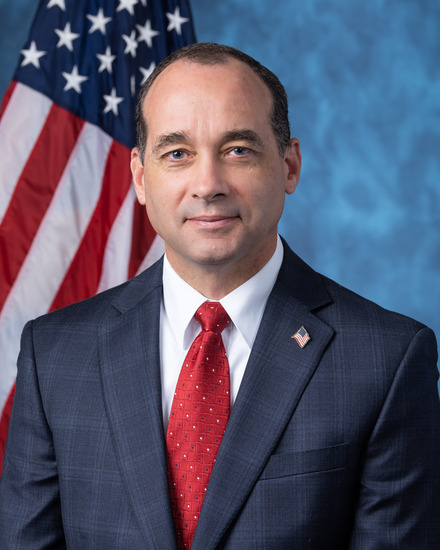
Rep. Bob Good
Sponsored bills
This resolution impeaches Secretary of Homeland Security Alejandro Nicholas Mayorkas for high crimes and misdemeanors related to his actions regarding border security and immigration.
Maddy summaryHR 719 would prohibit employers from entering neutrality agreements with unions during organizing campaigns. It specifically bans employers from providing "organizing assistance" (such as funding or space for union activities) as part of such agreements. The bill amends labor law to define "organizing assistance" as a prohibited "thing of value" under Section 302. This directly affects employers and unions involved in unionization efforts by restricting certain forms of employer support for organizing drives.
Maddy summaryThe Union Integrity Act protects union employees who report labor law violations, testify, file complaints, or object to illegal practices from retaliation by their union. It prohibits unions from terminating or discriminating against these employees and requires the Secretary of Labor to investigate complaints within 60 days, ordering remedies like reinstatement, back pay, and compensation if violations are found. Employees can file complaints within 180 days of retaliation, and the law prevents unions from requiring employees to waive these protections through employment agreements or arbitration. This bill directly affects union employees and unions by strengthening whistleblower safeguards in labor relations.
Maddy summaryHR 720, the Davis-Bacon Repeal Act, would eliminate the Davis-Bacon wage requirements for federal construction projects. It directly affects federal contractors working on projects funded by the government, removing a longstanding rule that required them to pay prevailing wages. The bill repeals Subchapter IV of Chapter 31 in Title 40 of the U.S. Code, which established these wage standards. The repeal would take effect 30 days after enactment but would not impact existing contracts or bids outstanding on that date.
Maddy summaryHR 646, the SHORT Act, clarifies firearm definitions under federal law to exclude antique firearms and certain collector items from the "firearm" category. It removes restrictions on short-barreled rifles and shotguns used lawfully by eliminating specific prohibitions in federal law and preempts state laws imposing taxes or registration requirements on these weapons. The bill also mandates the destruction of federal records related to short-barreled rifles, shotguns, and other weapons defined under the National Firearms Act within 365 days of enactment. This directly affects owners of these specific firearms, particularly collectors and individuals possessing short-barreled weapons legally under federal law. The key mechanisms include revised definitions, federal preemption of state regulations, and record destruction requirements.
Prohibiting Abortion Industry's Lucrative Loopholes Act This bill expands the prohibition on the sale or purchase of human fetal tissue in interstate commerce to include any payments associated with the transportation, implantation, processing, preservation, quality control, or storage of such tissue.
Maddy summaryThis bill would prohibit the FDA from approving new abortion medications or investigational uses of existing ones. It would restrict currently approved abortion drugs to in-person administration only in clinics, hospitals, or medical offices by certified providers who can handle complications like ectopic pregnancy or severe bleeding. The law requires detailed adverse event reporting (excluding patient identifiers) to the FDA by both manufacturers and prescribers, and mandates provider certification covering pregnancy assessment, surgical intervention capabilities, and patient safety documentation. These provisions apply directly to healthcare providers, patients seeking medication abortions, and manufacturers of abortion drugs.
Protecting Life and Taxpayers Act of 2023 This bill requires federally funded entities to certify that they will not, subject to certain exceptions, perform abortions or provide funding to other entities that perform abortions. The bill provides exceptions for abortions (1) in cases of rape or incest; or (2) when the life of the woman is in danger due to a physical disorder, injury, or illness.
Maddy summaryThis bill prohibits federal funding to Planned Parenthood Federation of America and its affiliates for one year unless they certify they won't perform or fund abortions (with exceptions for rape/incest or life-threatening conditions). It redirects $235 million in existing funding to community health centers for women's health services like contraception, cancer screenings, and prenatal care. The bill explicitly states that redirected funds will continue to support all women's health services previously provided by Planned Parenthood. It also requires repayment of funds if Planned Parenthood violates the certification, and clarifies that overall federal funding for women's health services remains unchanged.