

Maddy summaryHRES 1063 is a non-binding resolution passed by the U.S. House of Representatives to reaffirm America's commitment to NATO ahead of its 75th anniversary. It formally recognizes NATO's role in collective security, emphasizes Article 5's importance for mutual defense, and supports Finland and Sweden's membership. The resolution also calls on NATO allies to meet the 2% defense spending target, but does not create new laws or affect specific individuals or groups.
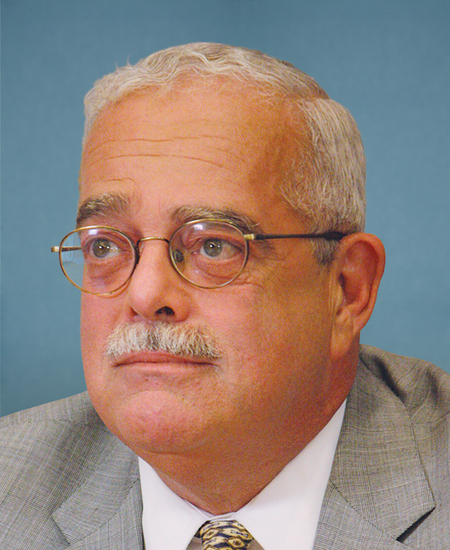
Rep. Gerald E. Connolly
Sponsored bills
Maddy summaryThe Public Service Freedom to Negotiate Act of 2024 establishes federal minimum standards for collective bargaining rights for public employees and supervisory employees. The Federal Labor Relations Authority will determine if each state's laws "substantially provide" for these rights, and if not, federal standards will apply to that state. These standards include the right to self-organization, collective bargaining, recognition of labor organizations, and procedures for resolving disputes. The bill preserves existing collective bargaining agreements and excludes certain employee categories like emergency services workers from some provisions.
Maddy summaryHR 3246, the Sanction Russian Nuclear Safety Violators Act of 2023, imposes U.S. sanctions on Russian individuals or entities that endangered the Zaporizhzhia Nuclear Power Plant’s safety or Ukrainian operational control since Russia’s 2022 invasion of Ukraine. Key provisions require the President to block assets and deny visas to targeted foreign persons, with exceptions for humanitarian aid and efforts to restore Ukrainian control of the plant. The bill directly affects Russian officials and Rosatom personnel involved in the plant’s operations, aiming to address safety risks highlighted by the IAEA.
Maddy summaryThe Rights for the TSA Workforce Act of 2024 would transition Transportation Security Administration (TSA) employees, particularly screening agents, from TSA-specific personnel rules to the standard federal government personnel system under Title 5 of the U.S. Code by December 31, 2024. The bill prohibits changes to current personnel policies for covered employees until the transition date and ensures no reduction in pay or benefits during the conversion process. It preserves certain benefits like law enforcement availability pay for Federal air marshals and maintains collective bargaining rights for screening agents. The bill also requires various reports to Congress on recruitment, implementation, diversity, and workplace safety to be submitted within specified timeframes.
Maddy summaryHR 8336 amends the Transition Assistance Program (TAP) to create a dedicated counseling pathway specifically for members of the reserve components of the Armed Forces. The bill adds language to Section 1142(c)(1) of Title 10, requiring military departments to include this reserve-focused pathway within TAP services. This change directly affects reserve service members transitioning from military to civilian life by providing tailored counseling resources. The bill modifies an existing program structure without creating new benefits or funding.
Maddy summaryHR 8358, the Taiwan Allies Fund Act, creates a $40 million annual fund (2025-2027) to support countries that maintain or strengthen unofficial ties with Taiwan despite pressure from China. It targets nations facing Chinese economic or diplomatic coercion for their relations with Taiwan, such as recent diplomatic switchers like Nauru. Funds can be used for specific activities including countering Chinese propaganda, building civil society resilience, diversifying supply chains away from China, and supporting Taiwan's participation in international organizations. The bill limits aid per country to $5 million annually and requires annual reports on fund usage and coordination with Taiwan.
Maddy summaryHR 8250, the Clean Air in the Cloud Act, requires the Environmental Protection Agency (EPA) to evaluate replacing its legacy air quality data systems (AQS and AirNow) within 90 days of enactment. The bill mandates the EPA Administrator to identify factors for system replacement, document operational analysis for AQS and AirNow, and develop a business case for a new system, referencing a 2023 GAO report highlighting issues with current systems. The EPA must submit a report to Congress within 120 days detailing these findings and proposed alternatives. This bill focuses solely on updating the EPA's internal IT infrastructure for managing air quality data, not on changing environmental standards or regulations. It directly affects the EPA's operational processes for handling air quality monitoring data.
Maddy summaryHR 7527, the Mail Traffic Deaths Reporting Act of 2024, requires the U.S. Postal Service to create rules for reporting traffic crashes involving mail-delivery vehicles that cause injury or death. It mandates that Postal Service employees and contractors report such crashes within three days, including details like location, injuries, and contributing factors, using a standard form. The Postal Service must maintain an internal database of these reports and publish an annual public report with aggregated statistics on crashes, while protecting individual privacy. Contractors who fail to report on time face penalties like fines or contract termination. The law directly affects Postal Service workers and mail transportation contractors, aiming to improve transparency around mail-related traffic safety incidents.
Maddy summaryHRES 1196 is a symbolic resolution supporting Public Service Recognition Week (May 5-11, 2024). It commends federal, state, local government employees, and military personnel for their service, highlighting their roles in areas like public safety, healthcare, infrastructure, and disaster response. The resolution encourages future careers in public service but has no policy or funding impact, as it is purely ceremonial. As a non-binding expression of support, it does not create new obligations or changes to law.
Maddy summaryHR 4016, the Veteran Fraud Reimbursement Act, ensures veterans who have had benefits misused by their appointed fiduciaries (like family members managing payments) receive reimbursement. It requires the VA Secretary to reissue misused benefits directly to the veteran or their successor fiduciary, make good-faith efforts to recoup funds from the negligent fiduciary, and promptly return any recovered amounts. The bill caps total reimbursements at the actual misused benefit amount and mandates VA oversight to determine if negligence contributed to the misuse, without delaying reimbursements. This directly affects veterans with fiduciaries who misappropriate their benefits, streamlining their access to rightful funds.