

Maddy summaryThe Alzheimer’s Accountability and Investment Act (HR 620) requires the National Institutes of Health (NIH) Director to annually submit a budget estimate for Alzheimer’s-related initiatives - including personnel needs - directly to the President for review and then to Congress. This budget must be prepared after public comment and submitted without changes by the Secretary of Health and Human Services or the Advisory Council. The bill directly affects the NIH’s budget reporting process for Alzheimer’s research and programs, mandating transparency in how funds are allocated. It does not change funding levels but establishes a specific annual reporting mechanism to improve accountability.
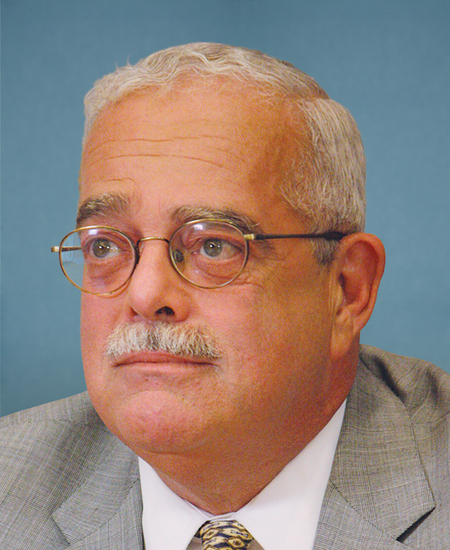
Rep. Gerald E. Connolly
Sponsored bills
Maddy summaryHRES 1248 is a symbolic resolution recognizing the harmful impact of menstruation stigma on women, girls, and people who menstruate. It supports designating May as "National Menstrual Health Awareness Month" to promote normalization of menstruation, improve access to education and resources, and address menstrual health disparities. The resolution does not create new laws or funding but aims to raise public awareness and encourage efforts to advance menstrual health equity.
Maddy summaryHR 8444 establishes two federal grant programs to improve mental health support in schools. The School Mental Health Awareness Program funds evidence-based education for all students on mental wellness, destigmatization, and coping skills, while the Mental Health Career Promotion Program exposes high school students to mental health careers through internships, mentorships, and partnerships with professionals. Grants require culturally appropriate, trauma-informed activities and mandate annual outcome reporting on student and program effectiveness. The bill authorizes $50 million annually for each program from 2025-2029 to support schools partnering with mental health providers and community organizations.
Maddy summaryThis bill reauthorizes the National Alzheimer's Project Act through 2035 (extending the previous deadline of 2025) and adds new requirements to promote healthy aging and reduce Alzheimer’s risk factors. It mandates the program to provide information on healthy behaviors that may lower cognitive decline risk and expands the advisory group to include representatives from agencies like the Department of Justice, FEMA, and Social Security Administration, plus experts with diverse clinical trial experience. The bill directly affects Alzheimer’s research, care programs, and the federal advisory group overseeing national efforts. Key changes include requiring annual evaluations instead of initial ones and adding a focus on reducing health disparities in Alzheimer’s initiatives.
Maddy summaryHR 8521, the Joan Trumpauer Mulholland Congressional Gold Medal Act, authorizes the presentation of a gold medal to Joan Trumpauer Mulholland in recognition of her civil rights activism during the 1960s. The bill directly honors her as a key figure who participated in sit-ins, Freedom Rides, and the Jackson Movement, risking arrest and personal danger to challenge segregation. The key mechanism requires the Treasury Secretary to strike a gold medal and sell bronze duplicates to cover costs, with proceeds going to the U.S. Mint. This is a ceremonial honor with no policy changes or direct effects on legislation or constituents.
Maddy summaryThis resolution (HRES 616) condemns the Taliban's ongoing human rights abuses in Afghanistan, specifically targeting women, girls, religious minorities (including Hazaras and Sikhs), and ethnic groups. It expresses support for Afghans who assisted U.S. missions and calls for the U.S. government to halt Taliban violence and address systemic repression. Key mechanisms include urging the State Department to assess potential crimes against humanity, developing strategies to support human rights defenders, and expediting refugee processing for Afghans with Special Immigrant Visas. The resolution does not impose new legal requirements but formalizes congressional stance and policy guidance. It directly affects U.S. foreign policy implementation toward Afghanistan.
Maddy summaryHR 8501 prohibits the U.S. government from issuing licenses to export certain defense articles to the United Arab Emirates (UAE) or its agencies. This ban takes effect immediately upon the bill's enactment and continues until the President certifies to Congress that the UAE has stopped providing material support to Sudan's Rapid Support Forces (RSF). The restriction applies specifically to military equipment listed in Categories I-VIII, XIV, XVI-XVIII of the U.S. Munitions List (e.g., weapons, vehicles, and related technology). The bill directly affects U.S. defense exporters and the UAE government, requiring congressional oversight before exports can resume.
Maddy summaryHR 8485, the "No Foreign Emoluments Without Congressional Consent Act," prohibits senior federal officials - including the President, Vice President, Cabinet members, Members of Congress, and high-level presidential staff - from accepting foreign payments (such as from foreign governments or entities controlled by them) without prior congressional approval. It requires officials to submit detailed written notices to the Office of Government Ethics before accepting such payments, triggering a 90-day congressional review period during which Congress must approve via a specific concurrent resolution. The bill covers payments received during official service and for two years after leaving office, with strict penalties including civil fines up to $5,000 plus the payment's value or criminal charges for violations. Excluded are standard gifts or decorations under existing law and certain large investment entities meeting specific SEC criteria.
Maddy summaryHR 8471 directs U.S. agencies to support Brazil in combating criminal networks driving deforestation and environmental destruction in the Amazon. It requires the U.S. International Development Finance Corporation to identify sustainable investment opportunities in the region and submit a report on barriers to such investment within 180 days. The bill authorizes $10 million annually (2025-2028) for the State Department to fund U.S. technical assistance, including supporting Brazilian law enforcement efforts against illegal logging, mining, wildlife trafficking, and associated corruption. It also mandates annual reports tracking progress and a specific report on Chinese involvement in illicit resource extraction. The policy directly affects Brazilian authorities, Indigenous communities, and U.S. agencies coordinating with Brazil on environmental security.
Maddy summary# Summary of Legislative Text This is a comprehensive legislative proposal focused on addressing substance use disorder through public health approaches, with significant funding and program requirements. Key elements include: 1. **Major Funding Programs:** - **Subtitle A (Local Grants):** $3.0 billion annually (2024-2033) for local entities to provide prevention, treatment, and recovery services - **Subtitle B (State/Regional Grants):** $4.6 billion annually (2024-2033) for state-level programs - **Subtitle C (Other Grants):** $1.0 billion annually (2024-2033) for specific entities and underserved populations - **Subtitle D (Innovation/Training):** $1.5 billion annually (2024-2033) for training, research, and capacity building 2. **Key Program Requirements:** - Mandates for evidence-based treatment services across multiple levels of care - Requirements for cultural competency, particularly for Native American communities - Specific focus on harm reduction, prevention, and recovery support - Provisions for naloxone distribution and overdose reversal programs 3. **Regulatory Changes:** - New certification requirements for covered manufacturers, distributors, and dispensers of Schedule II controlled substances - Penalties for failure to submit certifications or submitting false certifications - Creation of a "Comprehensive Addiction Resources Fund" for penalty revenues 4. **Focus Areas:** - Prevention services (including trauma-informed approaches) - Early intervention services - Recovery support services - Harm reduction programs - Workforce development for treatment providers - Special attention to underserved populations (rural communities, racial minorities, formerly incarcerated individuals) 5. **Funding Priorities:** - 10% of funds for Native American communities - Specific requirements for cultural competency and language access - Mandated data collection and reporting systems This legislation represents a significant shift toward public health approaches to substance use disorder, emphasizing prevention, treatment, and recovery support rather than punitive measures, with substantial funding commitments over a decade.