

Maddy summaryHRES 1456 is a symbolic resolution designating September 17, 2024, as "Constitution Day" to honor the signing of the U.S. Constitution on September 17, 1787. It calls for the people of the United States to observe the day with ceremonies and activities, recognizing the Constitution's historical significance and foundational role in American governance. This resolution does not create new laws or affect any individuals or policies; it is purely a non-binding expression of support by the House of Representatives.
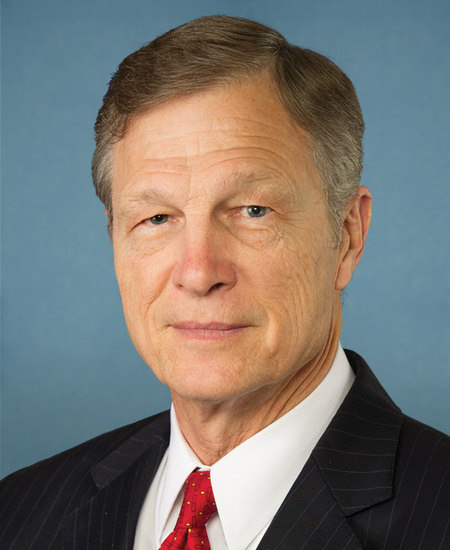
Rep. Brian Babin
Sponsored bills
Maddy summaryHR 1425, the "No WHO Pandemic Preparedness Treaty Without Senate Approval Act," requires the U.S. Senate to approve any World Health Organization (WHO) pandemic preparedness treaty through a two-thirds vote. The bill deems any convention, agreement, or international instrument on pandemic prevention drafted by the WHO’s International Negotiating Body (INB) as a treaty subject to Senate ratification, rather than allowing it to take effect as an executive agreement. This directly affects U.S. foreign policy implementation regarding WHO agreements, ensuring Congress has a formal role in approving such binding international commitments. The bill stems from congressional concerns about WHO’s pandemic response and public skepticism toward the organization, as outlined in its findings.
Maddy summaryHJRES 203 is a congressional resolution seeking to block a National Labor Relations Board (NLRB) rule that would have changed procedures for union representation elections in the construction industry. The rule, published in August 2024, aimed to modify how employers prove majority support for unions and handle election bars during bargaining relationships. This resolution invokes the statutory disapproval process under federal law to prevent the rule from taking effect. If enacted, it would stop the NLRB from implementing these specific election procedures, directly affecting construction employers, unions, and workers involved in representation votes.
Maddy summaryHR 705, the Veterans 2nd Amendment Protection Act, prohibits the Department of Veterans Affairs (VA) from automatically sending veterans' personal information to the national background check system solely because a fiduciary (like a guardian) manages their benefits. It specifically blocks the VA from sharing this data with the Justice Department without a court order finding the veteran a danger to themselves or others. This directly affects veterans who have a fiduciary appointed due to incapacity but are not deemed dangerous, preventing automatic barriers to firearm purchases based only on their fiduciary status. The bill amends 38 U.S.C. § 5501B to require judicial authorization before such data can be transmitted.
Maddy summaryHR 9574, the Stop CARB Act of 2024, repeals federal provisions that allowed California to set stricter vehicle and engine emissions standards than the national baseline. It eliminates the waiver process under the Clean Air Act (specifically Section 209) that enabled California’s Air Resources Board (CARB) to establish its own rules for nonroad engines and vehicles. The bill also repeals Section 177 of the Clean Air Act, which authorized California’s unique new motor vehicle emission standards. As a result, California would no longer be permitted to implement its own vehicle emission requirements separate from federal standards.
Maddy summaryHR 8282, the "Illegitimate Court Counteraction Act," imposes U.S. sanctions on foreign individuals or entities supporting the International Criminal Court (ICC) in investigating or prosecuting "protected persons." Protected persons include U.S. military personnel, officials, and allied personnel (from non-ICC member countries) who are not under ICC jurisdiction. The bill requires the President to block assets and deny visas to targeted foreign persons and their immediate family members within 60 days of the ICC attempting such actions. It mandates congressional notification of sanctions and allows termination if the ICC ceases all such efforts against protected persons. The law focuses on restricting U.S. economic and travel access to ICC supporters targeting specific U.S. and allied personnel.
Maddy summaryThis bill requires the Council on Environmental Quality to annually publish detailed reports starting in 2024, tracking how the National Environmental Policy Act (NEPA) impacts federal projects. The reports will include data on lawsuits challenging NEPA compliance (listing agencies and case outcomes), the length of environmental impact statements (page counts over 5 years), and timelines for completing environmental reviews (over 10 years). These reports must be publicly available with underlying data, directly affecting federal agencies that manage NEPA reviews and providing transparency for Congress and the public. The bill focuses on collecting factual data about NEPA's implementation, not changing the law itself.
Maddy summaryThis bill adds "galactose-alpha-1,3-galactose" (alpha-gal) to the list of major food allergens under federal law. It requires food manufacturers to clearly label products containing alpha-gal, which is found in red meat and some other animal-derived foods, directly affecting consumers with alpha-gal syndrome (a meat allergy often triggered by tick bites). The law excludes certain mammal-derived ingredients (like those from alpha-gal-knockout animals) if they fall below a detectable limit. The new labeling requirement will take effect on January 1, 2026, giving manufacturers time to adjust. This change ensures clearer allergen information for people with this specific allergy.
Maddy summaryHouse Resolution 1400 designates August 21, 2024, as Fentanyl Prevention and Awareness Day. It expresses the House's support for efforts to raise public awareness about the dangers of fentanyl, a highly potent synthetic opioid linked to overdose deaths. The resolution encourages Americans to promote drug prevention, support healthy lifestyles, and participate in community activities focused on fentanyl safety, without creating new laws or funding. It directly affects communities, schools, and families working to address the fentanyl crisis.
Freedom from Unfair Gun Taxes Act of 2024 This bill prohibits states or localities from imposing a levy or collecting an excise tax on the sale of a firearm, ammunition, or any part or component thereof, by a manufacture or retailer.