

Maddy summaryThis bill repeals specific provisions from the Affordable Care Act and its 2010 amendment that restricted certain physician referrals to hospitals under Medicare. It directly affects hospitals and physicians who previously faced limitations on referring Medicare patients to facilities they owned or had financial ties with. The key mechanism restores the original rules that allowed such referrals without the prior restrictions, effectively undoing the 2010 changes. This is a procedural change to existing law, not a new policy.
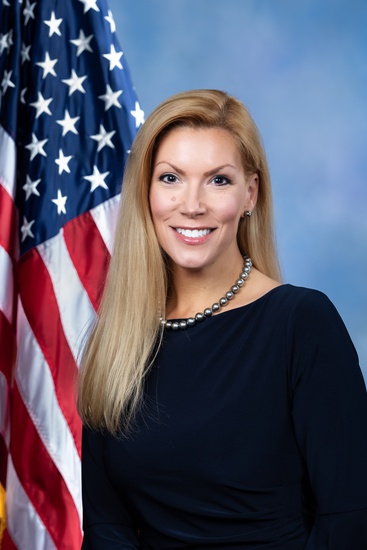
Rep. Beth Van Duyne
Sponsored bills
Maddy summaryThe Stop the Wait Act of 2023 eliminates the current 5-month waiting period for Social Security Disability Insurance (SSDI) benefits by phasing it out: applications filed in 2023-2025 would face a 3-month wait, 2026 a 2-month wait, and 2027 a 1-month wait, with full elimination by January 2028. It also changes Medicare rules to allow individuals without minimum essential health coverage to receive Medicare benefits retroactively from the first month of SSDI eligibility, rather than waiting 24 months. This directly affects people under 65 applying for SSDI who lack other health insurance, ensuring they have coverage during the waiting period. The bill amends the Social Security Act to implement these changes, effective January 1, 2028.
Maddy summaryThis bill targets specific Mexican cartels (Sinaloa, Jalisco New Generation, Beltran-Levya, Gulf, Los Zetas, Tijuana, and La Familia Michoacana/Knights Templar) by increasing penalties for related crimes, prohibiting cartel members from using U.S. financial institutions, and creating a CARTEL Fund to distribute seized assets (75% to Homeland Security, 25% to Justice Department). It establishes new immigration barriers for cartel members and their family members, and imposes penalties on U.S. citizens who facilitate cartel activities. The bill also authorizes sanctions against foreign governments and individuals that support these cartels, including blocking transactions and denying visas. This legislation would directly affect cartel members, their associates, U.S. citizens facilitating cartel activities, and foreign entities supporting these organizations.
Maddy summaryHR 549, the Metastatic Breast Cancer Access to Care Act, removes waiting periods for disability and Medicare coverage for people diagnosed with metastatic breast cancer. Specifically, it amends Social Security Act sections to allow immediate eligibility for disability insurance benefits (eliminating the standard waiting period) and immediate Medicare coverage (waiving the 24-month waiting period) for these patients. The bill directly affects individuals with metastatic breast cancer who would otherwise face delays in accessing critical benefits. These changes apply to applications filed or benefits beginning after the bill's enactment date. The law makes no other policy changes beyond these specific eligibility adjustments.
Maddy summaryHR 497, the Freedom for Health Care Workers Act, eliminates a federal requirement for healthcare workers in Medicare and Medicaid programs to be vaccinated against COVID-19. The bill directly affects healthcare providers who treat patients under these federally funded programs by preventing the enforcement of the November 2021 HHS rule mandating staff vaccinations. Its key provision prohibits the Department of Health and Human Services from implementing, enforcing, or creating a similar rule regarding vaccination for these workers. This bill changes the policy by removing a specific vaccine mandate for providers in Medicare and Medicaid programs.
Maddy summaryThis bill bans federal funding for abortions in most cases, prohibiting the use of taxpayer money for abortion services or health insurance plans covering abortion. Exceptions allow funding for abortions resulting from rape, incest, or when a pregnancy endangers a woman's life. It requires health insurance plans sold through the Affordable Care Act (ACA) marketplaces to clearly disclose any separate costs for abortion coverage and prohibits ACA subsidies from being used for plans that cover abortion (except in the specified exceptions). The law directly affects federal programs like Medicaid, ACA marketplace plans, and insurers offering health coverage to individuals using federal subsidies.
Maddy summaryHJRES 142 is a congressional disapproval resolution targeting a Department of Labor rule issued on April 25, 2024. It seeks to block the "Retirement Security Rule: Definition of an Investment Advice Fiduciary" (89 Fed. Reg. 32122), which defined standards for financial advisors handling retirement accounts. If passed, this resolution would make the Labor Department's rule ineffective, directly affecting retirement plan advisors and financial institutions subject to the regulation. The bill uses a specific procedural mechanism under Title 5, U.S. Code, to nullify the rule without creating new law.
Maddy summaryHR 10414 seeks to repeal the Impoundment Control Act of 1974 (2 U.S.C. 681 et seq.), a law that limited the President's authority to withhold funds Congress had appropriated. This bill would remove the legal restrictions requiring the President to seek Congressional approval before delaying or refusing to spend money already approved by Congress. The repeal would directly affect the executive branch's budget implementation powers, restoring the pre-1974 practice where the President could withhold funds without specific Congressional consent. This is a procedural change altering the legal framework governing federal spending, with no new provisions or direct impact on specific programs or citizens.
Maddy summaryHR 7438 directs the U.S. Treasury to mint commemorative coins for the 2026 FIFA World Cup, including 100,000 $5 gold coins, 500,000 $1 silver coins, and 750,000 half-dollar coins. The coins will be sold to the public at face value plus surcharges ($35, $10, and $5 per coin, respectively), with all surcharge revenue paid to FWC2026 US, Inc. for U.S. soccer programs. These funds must support soccer initiatives, particularly in underserved communities and youth development, as specified in the bill. The coins are legal tender but will only be issued during 2026, with no net cost to the U.S. government.
Maddy summaryThis bill reinstates a pre-American Rescue Plan Act (ARP) tax reporting rule for gig economy platforms. It requires third-party payment platforms (like Uber or DoorDash) to report transactions to the IRS only if a gig worker earns over $20,000 in total or completes more than 200 transactions in a year. This directly affects gig workers whose income falls below these thresholds, exempting them from the reporting requirement. The provision effectively reverses a change made by the ARP, reducing administrative burden for both platforms and lower-earning gig workers. The bill amends IRS Code Section 6050W to restore these specific de minimis payment thresholds.