

Maddy summaryHR 8423, the Elder Pride Act of 2024, creates a new grant program under the Older Americans Act to support LGBTQI older adults and other protected-class older adults living in rural areas. The bill authorizes $5 million annually for grants to states, tribes, nonprofits, or community organizations to fund specific activities like reducing isolation, improving cultural competency among service providers, expanding non-discrimination policies (including for gender identity and intersex traits), and providing sexual health services (including HIV care). Grants must supplement, not replace, existing state or local funding for these services. The program requires grantees to partner with local organizations and report annually on activities to Congress.
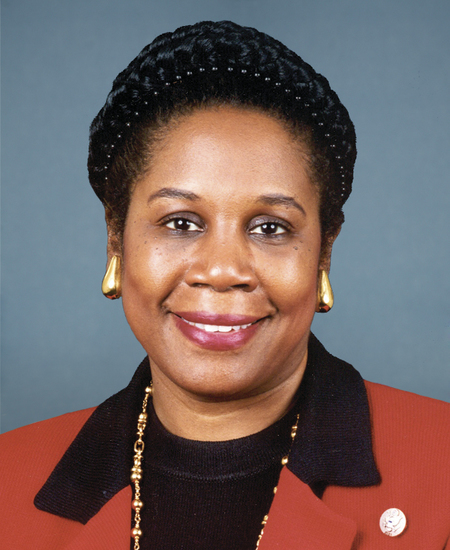
Rep. Sheila Jackson Lee
Sponsored bills
Maddy summaryThe Rights for the TSA Workforce Act of 2024 would transition Transportation Security Administration (TSA) employees, particularly screening agents, from TSA-specific personnel rules to the standard federal government personnel system under Title 5 of the U.S. Code by December 31, 2024. The bill prohibits changes to current personnel policies for covered employees until the transition date and ensures no reduction in pay or benefits during the conversion process. It preserves certain benefits like law enforcement availability pay for Federal air marshals and maintains collective bargaining rights for screening agents. The bill also requires various reports to Congress on recruitment, implementation, diversity, and workplace safety to be submitted within specified timeframes.
Maddy summaryThis bill updates federal research funding by directing the National Science Foundation (NSF) to prioritize two new areas of study: the impact of harmful childhood experiences (like abuse or neglect) and how toxic stress affects youth mental health. It amends existing law to require NSF-funded suicide prevention research to include these specific topics. The bill directly affects NSF research programs and grants focused on youth mental health, ensuring future studies systematically examine these factors. The change is limited to research priorities - no new funding or direct services are created.
Maddy summaryHRES 1206 is a symbolic House resolution supporting the designation of May 2024 as "Mental Health Awareness Month." It does not create new laws or funding but aims to raise public awareness about mental health challenges, emphasizing the need to reduce stigma and treat mental well-being as equally important as physical health. The resolution cites statistics on rising mental health crises - including increased anxiety, depression, and suicide rates among youth, LGBTQ+ individuals, veterans, and communities of color - to underscore the urgency of the issue. It encourages nationwide efforts to promote mental health awareness and access to care during this designated month.
Maddy summaryThis bill directs the Health and Human Services Secretary to fund research on early detection and treatment of uterine fibroids, with a focus on reducing health disparities. It authorizes grants to states for screening programs (including advanced imaging), patient navigation services, and public education campaigns - prioritizing areas with socially vulnerable populations at higher risk. States receiving funds must implement evidence-based strategies to improve access to early intervention. The bill also requires regular reports to Congress on grant outcomes and research findings related to fibroid treatment disparities and related conditions like Asherman’s Syndrome.
Maddy summaryThis bill authorizes the placement of a memorial honoring women who contributed to World War II efforts on the National Mall or adjacent federal land in Washington, D.C. It specifically removes a location restriction (under 40 U.S.C. § 8908) to allow the memorial - previously authorized by the 2023 Consolidated Appropriations Act - to be situated within Area I of the National Mall or the National Mall Reserve. The memorial would commemorate over 18 million women who worked as pilots, engineers, mechanics, and codebreakers during the war. The bill directly affects the Women Who Worked on the Home Front Foundation, which is tasked with establishing the memorial.
Maddy summaryThis bill expands compensation options for individuals filing discrimination lawsuits under federal civil rights law. It allows victims to claim damages for emotional harm - including mental anguish, loss of enjoyment of life, and non-financial suffering - alongside financial losses. The bill also adds a right to a jury trial for damages in these cases. For age discrimination claims specifically, it aligns available remedies with those under the Civil Rights Act of 1964, including all legal or equitable relief previously available for race-based discrimination.
Maddy summaryThis bill designates the U.S. Postal Service facility at 2395 East Del Mar Boulevard in Laredo, Texas, as the "Lance Corporal David Lee Espinoza, Lance Corporal Juan Rodrigo Rodriguez & Sergeant Roberto Arizola Jr. Post Office Building" to honor these three military service members. It changes the official name of the building for all government references, maps, and records, but does not alter postal services or create new policy. The bill was enacted on May 7, 2024, following passage by both the House and Senate.
Maddy summaryThis bill creates grants to support mental and behavioral health graduate programs at minority-serving institutions like historically Black colleges, tribal colleges, and other institutions serving communities of color. It requires at least 5% of grant funds to provide scholarships for students from health professional shortage areas. The grants can help institutions establish or improve programs that train professionals to provide culturally responsive and trauma-informed care. The goal is to increase the number of mental health professionals serving in underserved communities and diversify the mental health workforce.
Maddy summaryHR 3325, the Recruit and Retain Act of 2024, expands how federal COPS grants can be used to help law enforcement agencies hire officers. It allows grants to cover application fees (like background checks) for agencies facing declining recruitment, permits up to 2% of grant funds for administrative costs, and creates a new "Pipeline Partnership Program" requiring law enforcement agencies to partner with schools or colleges to engage students through career events, mentoring, and internships. The bill also adds guidance for agencies operating below budgeted staffing levels and mandates a Comptroller General study on recruitment/attrition trends across all levels of law enforcement. These changes directly affect local, state, and tribal police departments struggling to recruit or retain officers, as well as educational institutions partnering with them.