Maddy summaryThis ceremonial resolution honors the U.S. Border Patrol's 100th anniversary (established 1924) and recognizes the service and sacrifices of its agents and families. It has no policy or funding impact - it solely commemorates the agency's history and contributions to border security. The resolution was introduced in the House on May 24, 2024, and refers to historical milestones like the 1924 founding and 155 agents who died in the line of duty.
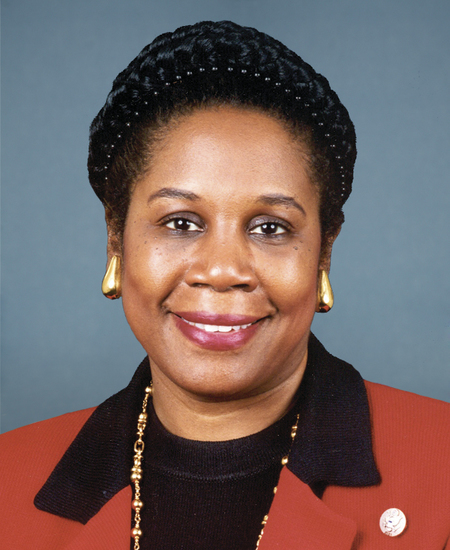
Rep. Sheila Jackson Lee
Sponsored bills
Maddy summaryHRES 1242 is a congressional resolution calling for equal prioritization of mental health care alongside physical health to address the U.S. suicide and drug overdose crises. It urges enforcement of existing mental health parity laws in insurance coverage and aims to reduce stigma through public awareness. The resolution supports the 2024 National Strategy for Suicide Prevention and recommends increased funding for mental health workforce development, medication-assisted treatment, culturally appropriate services, and school-based mental health resources. As a non-binding resolution, it expresses congressional support for these measures without creating new laws.
Maddy summaryHR 8470, the Helping Families Heal Act of 2024, provides federal funding to support mental health services for individuals affected by law enforcement violence. The bill authorizes $50 million annually (2025-2029) to award grants to community organizations and schools for programs that recruit mental health professionals to serve those who witnessed or experienced law enforcement violence, lost family members to it, or are grieving such losses. Key provisions include funding community-based trauma awareness programs, school-based mental health services for students and staff, and establishing an interagency task force to coordinate federal efforts. The bill prioritizes communities with high law enforcement interaction rates, racial bias investigations, or high incarceration rates of people with mental health conditions, while prohibiting funds from going to law enforcement entities.
Maddy summaryHR 8444 establishes two federal grant programs to improve mental health support in schools. The School Mental Health Awareness Program funds evidence-based education for all students on mental wellness, destigmatization, and coping skills, while the Mental Health Career Promotion Program exposes high school students to mental health careers through internships, mentorships, and partnerships with professionals. Grants require culturally appropriate, trauma-informed activities and mandate annual outcome reporting on student and program effectiveness. The bill authorizes $50 million annually for each program from 2025-2029 to support schools partnering with mental health providers and community organizations.
Maddy summaryThe PROKID Act establishes an independent Office of the Ombudsperson within the Department of Health and Human Services to monitor facilities where immigrant children are detained. The Ombudsperson will conduct regular site visits, investigate complaints about conditions, and ensure compliance with laws including the Flores settlement agreement. The bill requires detailed data collection on immigrant children in custody, including location, length of stay, and placement details, which must be published monthly on the Office of Refugee Resettlement website. It also creates an expert advisory committee to review facility compliance and make recommendations for improving conditions for immigrant children in government custody.
Maddy summaryHRES 1244 is a formal House resolution censuring Supreme Court Associate Justice Samuel Alito for allegedly violating judicial ethics rules. The resolution claims Alito knowingly violated the Federal recusal statute and the Supreme Court’s 2023 Code of Conduct by flying an upside-down American flag in front of his home during the 2020 election dispute period - a symbol associated with false claims of election fraud. It demands Alito recuse himself from all cases related to the 2020 election and the January 6, 2021, Capitol insurrection, arguing his conduct created a reasonable appearance of bias. This is a symbolic resolution with no legal effect, as censures in Congress do not alter judicial duties.
Maddy summaryHR 8469, the Diverse Cybersecurity Workforce Act of 2024, requires the Cybersecurity and Infrastructure Security Agency (CISA) to establish a new program within its existing education initiative. The program targets underrepresented groups in cybersecurity, including racial and ethnic minorities, women, veterans, people with disabilities, older individuals (40+), those from low-income backgrounds, and people with nontraditional educational paths (like community colleges or HBCUs). CISA must tailor outreach to schools, unions, community colleges, and local workforce offices to promote cybersecurity careers in these communities. The bill authorizes $20 million annually (2025-2030) and mandates annual reports to Congress on the program's impact on workforce diversity.
Maddy summaryHR 8376, the Latino Youth Mental Health Empowerment Act, aims to address mental health disparities affecting Hispanic and Latino youth by requiring a national awareness campaign and two key studies. The bill mandates a $5 million campaign (2025-2029) to combat stigma and increase access to culturally competent mental health resources for youth, parents, and school staff through materials, workshops, and screenings. It also requires a study on mental health barriers and suicide rates (with a report to Congress within one year) and a separate study on the shortage of Hispanic/Latino mental health professionals, both requiring disaggregated data by race, ethnicity, and other factors. The bill directly targets Hispanic and Latino youth - facing higher rates of depression, suicide contemplation, and lower treatment access - by focusing on outreach, service improvements, and workforce development.
Maddy summaryThis bill directs the U.S. Department of Health and Human Services to issue guidance to states within one year on using Medicaid and CHIP programs to boost the pediatric mental health workforce. It requires states to implement strategies focused on recruiting and retaining pediatric mental health providers (including in rural/underserved areas and for racial/ethnic minorities), improving care for limited English proficiency patients, expanding telehealth services, and offering incentives like better reimbursement or student loan repayment. The guidance must cover specific approaches such as integrated care models and training for providers. States must report on implementing these strategies to Congress within two years. The bill directly affects states administering Medicaid/CHIP and pediatric mental health providers serving children.
Maddy summary# Summary of Legislative Text This is a comprehensive legislative proposal focused on addressing substance use disorder through public health approaches, with significant funding and program requirements. Key elements include: 1. **Major Funding Programs:** - **Subtitle A (Local Grants):** $3.0 billion annually (2024-2033) for local entities to provide prevention, treatment, and recovery services - **Subtitle B (State/Regional Grants):** $4.6 billion annually (2024-2033) for state-level programs - **Subtitle C (Other Grants):** $1.0 billion annually (2024-2033) for specific entities and underserved populations - **Subtitle D (Innovation/Training):** $1.5 billion annually (2024-2033) for training, research, and capacity building 2. **Key Program Requirements:** - Mandates for evidence-based treatment services across multiple levels of care - Requirements for cultural competency, particularly for Native American communities - Specific focus on harm reduction, prevention, and recovery support - Provisions for naloxone distribution and overdose reversal programs 3. **Regulatory Changes:** - New certification requirements for covered manufacturers, distributors, and dispensers of Schedule II controlled substances - Penalties for failure to submit certifications or submitting false certifications - Creation of a "Comprehensive Addiction Resources Fund" for penalty revenues 4. **Focus Areas:** - Prevention services (including trauma-informed approaches) - Early intervention services - Recovery support services - Harm reduction programs - Workforce development for treatment providers - Special attention to underserved populations (rural communities, racial minorities, formerly incarcerated individuals) 5. **Funding Priorities:** - 10% of funds for Native American communities - Specific requirements for cultural competency and language access - Mandated data collection and reporting systems This legislation represents a significant shift toward public health approaches to substance use disorder, emphasizing prevention, treatment, and recovery support rather than punitive measures, with substantial funding commitments over a decade.