

Maddy summaryHR 7183, the PROTECTS Act of 2024, prohibits federal funding from being used to provide or refer for specific gender transition procedures to individuals under 18. The bill defines prohibited procedures broadly to include surgeries (like hysterectomy, mastectomy, or genital reconstruction), puberty-blocking medications, and hormone treatments administered at supraphysiologic doses. It includes limited exceptions for medically necessary care, such as treating precocious puberty or correcting genetic disorders of sex development. The law directly affects minors seeking gender-affirming medical care covered by federal programs, restricting federal financial support for these services.
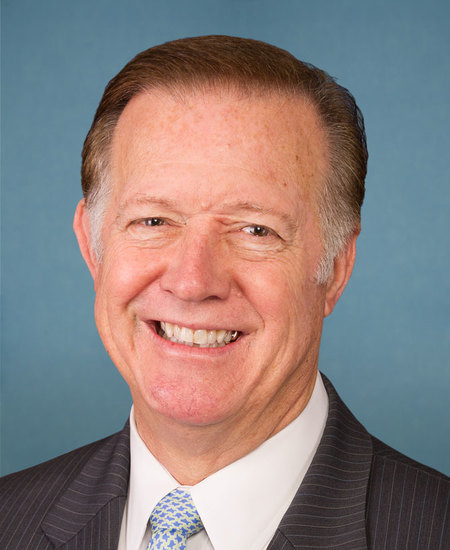
Rep. Randy K. Weber, Sr.
Sponsored bills
Maddy summaryHR 7117, the Driver Data Control Act of 2024, limits access to data from vehicle safety recorders (EDRs) to protect owners' privacy. It requires federal law enforcement to obtain a warrant, court order (with 48-hour owner notice), or use data solely for emergency medical care in crashes. The bill prohibits insurers, lienholders, and lessors from accessing EDR data without written owner consent, banning conditions that tie insurance claims, payments, or lease agreements to data access. This directly affects vehicle owners, law enforcement, and insurance/leasing companies by establishing clear consent rules and restricting data use.
Maddy summaryThis resolution seeks congressional disapproval of a Treasury Department rule (88 Fed. Reg. 80584, November 2023) that established spending guidelines for $350 billion in federal Coronavirus State and Local Fiscal Recovery Funds. If passed, it would nullify the rule, preventing the Treasury from enforcing its specific restrictions on how states and localities could use these pandemic recovery funds. The bill does not alter the underlying funding program but targets the implementation rules through a procedural disapproval process under Title 5 of the U.S. Code. It directly affects the Treasury Department's authority to administer the fund distribution rules.
Maddy summaryHR 7196, the Federal Parity for CASH Research Act (correctly defined as "Communities with Above Average Seasonal Homeownership"), mandates a study by the government auditor (Comptroller General) on how seasonal and nonpermanent homeownership affects census data accuracy and federal funding distribution to communities. The study specifically focuses on rural Appalachia and coastal communities, examining if high seasonal residency negatively impacts funding. If negative effects are found, the study would recommend solutions, but the bill itself creates no new policies or funding - only requires this research to be completed within one year of enactment.
Maddy summaryThe UNRWA FTO Designation Act requires the U.S. Secretary of State to designate the United Nations Relief and Works Agency (UNRWA) as a foreign terrorist organization within 10 days of the bill becoming law. This designation would immediately halt all U.S. funding to UNRWA under existing law, as foreign terrorist organizations are barred from receiving U.S. financial support. The bill directly affects UNRWA and the Palestinian refugees who rely on its humanitarian services, including food, education, and healthcare. The change would implement a legal process without altering the definition of a foreign terrorist organization.
Maddy summaryHR 7202 requires the U.S. Secretary of State to report to Congress within 90 days on all U.S. funding provided to UNRWA (the UN agency supporting Palestinian refugees) from fiscal years 2020 through 2024, including monthly spending details. The bill also prohibits U.S. federal funds from being used to support UNRWA, either directly or indirectly, starting upon its enactment. This bill affects U.S. government funding decisions for UNRWA and mandates transparency about past financial support. The legislation focuses on requiring a spending report and blocking future U.S. financial assistance to the agency.
Maddy summaryThis bill repeals a law (18 U.S.C. § 1715) that previously prohibited mailing firearms without a license. It directly affects the U.S. Postal Service, firearm sellers, and individuals mailing firearms by preventing the Postal Service from creating rules that would block firearm mailings or require disclosure of sensitive records like sales receipts or firearm serial numbers. Key provisions include removing the existing ban on mailing firearms and prohibiting the Postal Service from imposing new restrictions on firearm mailings or demanding customer transaction data. The bill ensures that firearm mailings can proceed without these specific federal restrictions, while applying to ongoing legal cases under the repealed law.
Maddy summaryHR 7155 establishes the Abraham Accords Bureau within the FDA to strengthen U.S. healthcare supply chains. The bureau, headquartered at the FDA, will create lists of essential medical products primarily made in "covered countries" (nations with documented religious freedom violations or human rights issues) and identify facilities in Abraham Accords countries (like the UAE and Bahrain) that could support U.S. medical needs. It will facilitate FDA consultations with these countries on manufacturing standards, share regulatory information, and provide technical assistance to help shift production away from covered countries. The bureau must report to Congress within three years on progress in diversifying supply chains and improving FDA coordination with Abraham Accords nations.
Maddy summaryHR 5585, the Agent Raul Gonzalez Officer Safety Act, creates new criminal penalties for individuals fleeing U.S. Border Patrol officers or assisting officers while operating a motor vehicle within 100 miles of the U.S. border. It imposes prison terms of up to 2 years for basic offenses, 5-20 years if serious injury occurs, and 10 years to life if death results. People unlawfully in the U.S. who commit this offense become permanently ineligible for any legal status, including asylum. The bill also requires the Attorney General to submit annual reports to Congress on prosecutions and penalties related to this new offense.
Maddy summaryHR 7083, the RAZOR Act, prohibits federal agencies from removing or altering barriers (like fences or fences) built by states along the U.S. border to prevent unlawful crossings. It directly affects federal departments and agencies, such as the Department of Homeland Security, by restricting their ability to modify state-constructed border infrastructure. The key provision is a clear ban on any federal action that would change or remove these state-built barriers. This bill makes a specific policy change regarding federal-state border infrastructure authority without altering broader immigration law.