

Maddy summaryHJRES 133 is a congressional resolution seeking to block an Environmental Protection Agency (EPA) rule titled "Greenhouse Gas Emissions Standards for Heavy-Duty Vehicles-Phase 3." This rule, published in the Federal Register on April 22, 2024, established new emissions requirements for large trucks and commercial vehicles. The resolution, if passed, would prevent the EPA rule from taking effect by formally disapproving it under standard congressional review procedures. The measure directly affects the EPA’s regulatory authority and vehicle manufacturers who would have been required to comply with the proposed standards.
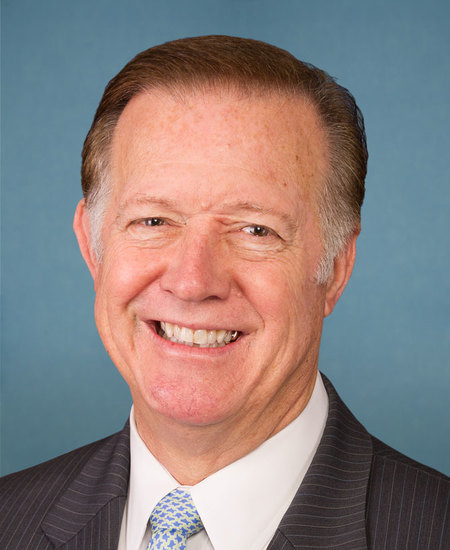
Rep. Randy K. Weber, Sr.
Sponsored bills
Maddy summaryH.J. Res. 117 is a joint resolution that would disapprove an Environmental Protection Agency (EPA) rule concerning the reconsideration of National Ambient Air Quality Standards for particulate matter. The EPA rule, published on March 6, 2024, was part of the agency’s process to review these standards, which set limits for harmful air pollutants. This resolution invokes a congressional disapproval procedure under federal law to block the rule from taking effect. If enacted, the rule would have no force or effect, preserving the existing air quality standards for particulate matter.
Maddy summaryThe Kids Online Safety Act (HR 7891) would require major online platforms (with high revenue or user numbers) to implement safety features for children and teens, including default protective settings, parental controls, and age verification. It would mandate platforms to report annually on risks to minors and their safety measures, and prohibit advertising harmful products (like tobacco, alcohol, or gambling) to minors. The bill directly affects social media platforms, online video games, and video streaming services that are used by minors, with the goal of preventing mental health harms, compulsive usage, and cyberbullying.
Maddy summaryHJRES 204 is a congressional disapproval resolution targeting an EPA rule that would have reclassified certain large pollution sources (like industrial facilities) as smaller, less-regulated "area sources" under the Clean Air Act. If passed, this resolution would block the EPA's September 10, 2024, rule (published in the Federal Register) from taking effect, preventing the regulatory change. The resolution directly affects the EPA's authority to implement this specific reclassification, which would have altered how certain facilities are regulated under Section 112 of the Clean Air Act. It does not create new policy but halts an existing EPA rule through a procedural congressional action.
Maddy summaryHRES 1456 is a symbolic resolution designating September 17, 2024, as "Constitution Day" to honor the signing of the U.S. Constitution on September 17, 1787. It calls for the people of the United States to observe the day with ceremonies and activities, recognizing the Constitution's historical significance and foundational role in American governance. This resolution does not create new laws or affect any individuals or policies; it is purely a non-binding expression of support by the House of Representatives.
Maddy summaryThe JUDGES Act of 2024 authorizes new federal district court judgeships across multiple states to address rising case backlogs in the federal judiciary. It specifies new permanent judgeships for districts including California (multiple districts), Florida, Texas, Delaware, Indiana, Iowa, New Jersey, and New York, with implementation phased through 2035, and creates temporary judgeships for Oklahoma districts with specific vacancy rules. The bill authorizes funding for these positions and requires reports on judicial caseloads and detention space needs, while mandating public access to the Judicial Conference's judgeship recommendations. The bill directly affects federal district courts in the specified locations by increasing judicial staffing to handle growing case volumes.
Maddy summaryHR 1425, the "No WHO Pandemic Preparedness Treaty Without Senate Approval Act," requires the U.S. Senate to approve any World Health Organization (WHO) pandemic preparedness treaty through a two-thirds vote. The bill deems any convention, agreement, or international instrument on pandemic prevention drafted by the WHO’s International Negotiating Body (INB) as a treaty subject to Senate ratification, rather than allowing it to take effect as an executive agreement. This directly affects U.S. foreign policy implementation regarding WHO agreements, ensuring Congress has a formal role in approving such binding international commitments. The bill stems from congressional concerns about WHO’s pandemic response and public skepticism toward the organization, as outlined in its findings.
Maddy summaryHJRES 203 is a congressional resolution seeking to block a National Labor Relations Board (NLRB) rule that would have changed procedures for union representation elections in the construction industry. The rule, published in August 2024, aimed to modify how employers prove majority support for unions and handle election bars during bargaining relationships. This resolution invokes the statutory disapproval process under federal law to prevent the rule from taking effect. If enacted, it would stop the NLRB from implementing these specific election procedures, directly affecting construction employers, unions, and workers involved in representation votes.
Maddy summaryHR 1398 establishes the "CCP Initiative" within the Department of Justice's National Security Division to counter threats from the Chinese Communist Party targeting U.S. innovation. The initiative focuses on prosecuting trade secret theft, hacking, and economic espionage; protecting academic institutions and critical infrastructure; and applying foreign agent laws to unregistered Chinese political actors. Key mechanisms include designating these investigations as top priorities with dedicated resources, requiring annual congressional briefings, and setting a 6-year sunset date. The bill directly affects DOJ operations and aims to safeguard U.S. intellectual property, academic freedom, and supply chains from foreign economic threats.
Maddy summaryThis bill prohibits U.S. port operators from entering contracts for ownership, leasing, or operation of ports covered by maritime security plans with entities owned by China, Russia, North Korea, or Iran - either directly or if any portion is owned by those countries. It applies to major U.S. ports managing international cargo and passenger traffic that require federal security plans under existing law. The law bans such contracts for all port facilities subject to these security requirements. This directly affects port authorities and private operators managing critical infrastructure under federal security mandates.