

Maddy summaryHR 3433, the "Give Kids a Chance Act of 2024," requires pharmaceutical companies developing certain cancer drugs to conduct pediatric studies if the drugs target molecular pathways relevant to childhood cancers. It directly affects drug manufacturers submitting new applications for cancer treatments, particularly those combining previously approved adult cancer drugs or containing a single new active ingredient. The bill amends FDA regulations to mandate these pediatric investigations only when specific conditions are met, such as when a drug's molecular target is relevant to pediatric cancer growth. The FDA must issue implementing guidance within 12 months, and reports to Congress will track implementation and effectiveness starting 2 years after enactment.
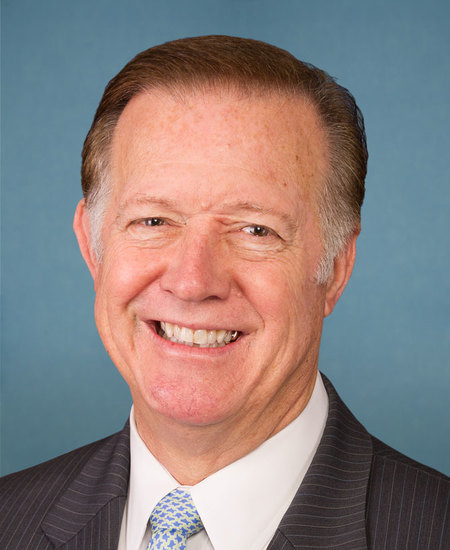
Rep. Randy K. Weber, Sr.
Sponsored bills
Maddy summaryHJRES 136 is a resolution seeking to block an Environmental Protection Agency (EPA) rule that would have set new emissions standards for light and medium-duty vehicles sold in 2027 and later model years. The EPA rule, published in April 2024, aimed to require vehicle manufacturers to meet stricter pollution limits for these vehicles. If passed, this resolution would cancel the rule, preventing the EPA from enforcing the new standards. It uses a congressional process that allows Congress to reject agency rules with a simple majority vote.
Maddy summaryHRES 1485 designates the third Friday of September each year as "National POW/MIA Recognition Day" to honor prisoners of war and missing-in-action military personnel. The resolution expresses the House's support for this designation and encourages Americans to observe the day through community commemorations, displaying the POW/MIA flag, and performing acts of service for families of those affected. It does not create new laws or alter existing policies but builds on the existing National POW/MIA Flag Act (Public Law 116-67) that requires the POW/MIA flag to be flown on federal properties. The resolution focuses on symbolic recognition and public engagement rather than substantive policy changes.
Maddy summaryThis bill blocks U.S. funding for Afghanistan through the State Department until the Secretary of State certifies that all detained U.S. citizens held by Afghanistan's government or groups within Afghanistan have been released. It requires the President to provide detailed justification to Congress if a waiver is needed to release a detained citizen, and mandates quarterly reports to Congress on the status of detained Americans and efforts to secure their release. The bill also specifies that determinations about detained citizens must follow procedures outlined in the Robert Levinson Hostage Recovery Act. It directly affects U.S. foreign aid funding for Afghanistan and the Afghan government/groups holding Americans.
Maddy summaryThis bill restricts federal funding for jurisdictions that limit cooperation with federal immigration enforcement. It defines a "sanctuary jurisdiction" as any state or local government that prohibits sharing immigration status information or complying with federal detainer requests (except for crime victims/witnesses). Starting after enactment, such jurisdictions lose eligibility for federal funds intended to provide food, shelter, healthcare, legal services, or transportation to undocumented immigrants. The law directly affects cities and states with specific immigration policies, not the immigrants themselves.
Maddy summaryHR 9745, the Lifesaving Gear for Police Act of 2024, removes barriers for state and local law enforcement agencies to access existing federal equipment. It prohibits federal agencies from enforcing any regulations (since May 15, 2015) that limit the transfer of Department of Defense or other federal equipment to police departments, unless Congress passes those rules into law. The bill also requires agencies to return or replace equipment recalled since 2015 under those regulations, provided the agency requests it, meets existing eligibility rules, and the equipment is available. This directly affects police departments that previously had equipment seized or denied under the blocked regulations. The law focuses on restoring access to current equipment-sharing programs, not creating new funding or gear.
Maddy summaryThe Royalty Resiliency Act (HR 7377) requires the federal government to make decisions on how oil and gas royalties are allocated among shared production leases within 120 days of a request. Until a decision is issued, companies must pay royalties based on their proposed allocation, and the government will waive interest on underpayments if payments are made on time. This applies to most federal oil and gas leases but excludes agreements involving tribal lands. The law aims to reduce delays and financial uncertainty for oil and gas companies operating on federal land.
Maddy summaryHJRES 144 is a congressional disapproval resolution targeting a specific rule issued by the Bureau of Alcohol, Tobacco, Firearms, and Explosives (ATF) on April 19, 2024. The resolution seeks to block the ATF's rule that redefined the term "engaged in the business" for firearm dealers, which would have affected how federal licensing requirements apply to certain sellers. If enacted, this resolution would nullify the rule, preventing it from taking effect under procedures in Title 5 of the U.S. Code. The bill directly impacts firearm dealers operating under the current regulatory framework and the ATF's enforcement authority.
Maddy summaryThis bill requires the U.S. Postal Service to publicly disclose emergency post office closures within 24 hours (via physical signs and website notices) and notify relevant local officials, congressional representatives, and state officials within 5 days. It mandates that notifications include the closure reason, temporary mail delivery solutions, and expected end date. If a closure lasts 30 days, the Postal Service must open a 30-day public comment period; for 60-day closures, the Postal Regulatory Commission reviews the closure and relocation planning begins. The Postal Service must also submit annual reports to Congress starting in 2025 detailing all emergency closures, their duration, and reasons. This directly affects post offices, local governments, and congressional representatives in affected communities.
Maddy summaryThis bill (HJRES 163) is a congressional disapproval resolution targeting an Environmental Protection Agency (EPA) rule finalized on May 9, 2024. The EPA rule established new emissions standards for greenhouse gases from fossil fuel power plants (both new and existing) and repealed a previous rule called the Affordable Clean Energy Rule. The resolution would block this EPA rule from taking effect by invoking the Congressional Review Act (Chapter 8 of Title 5, U.S. Code). If passed, it would prevent the EPA rule from being enforced, directly affecting fossil fuel power plant operators and the EPA’s regulatory authority over emissions.