

Maddy summaryH.J. Res. 30 seeks to block a Department of Labor rule that would have required retirement plan managers (like those handling 401(k)s) to follow strict "prudence and loyalty" standards when selecting investments and voting on company matters. The rule, published in December 2022, aimed to protect retirement savings by ensuring fiduciaries prioritize participants' interests. This resolution, if passed, would prevent the rule from taking effect, avoiding new compliance requirements for retirement plan managers and sponsors. It directly affects retirement plan administrators and the millions of participants in these plans.
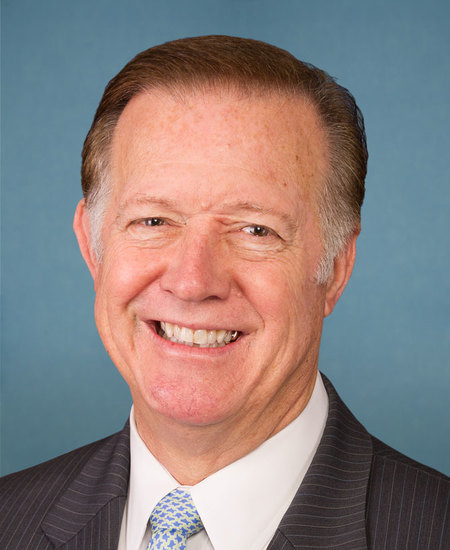
Rep. Randy K. Weber, Sr.
Sponsored bills
Maddy summaryHR 1155, the Keeping America’s Refineries Act, exempts certain petroleum refineries from a specific requirement under the Clean Air Act. It directly affects refineries operating alkylation units that use hydrofluoric acid (HF), specifically those with valid Clean Air Act permits or that meet American Petroleum Institute safety standards. The bill prohibits the EPA from mandating that these refineries assess "safer technology" or alternative risk management measures for HF use in their hazard assessments. This change removes a regulatory step requiring refineries to evaluate safer alternatives for HF acid, focusing solely on their existing operational compliance.
Maddy summaryHR 1140 allows the Environmental Protection Agency (EPA) Administrator to temporarily waive certain environmental requirements for facilities processing "critical energy resources" (like essential energy sources with vulnerable supply chains) during national or energy security emergencies. The waiver, valid for up to 90 days (renewable), permits increased processing or refining at designated facilities to meet urgent security needs, without violating other environmental laws during the waiver period. Facilities operating under this waiver are protected from legal penalties for actions that would otherwise conflict with other environmental regulations. The bill applies specifically to energy resources critical to U.S. energy systems, as defined by the Secretary of Energy.
Maddy summaryHR 1141, the Natural Gas Tax Repeal Act, repeals a specific provision (Section 136) of the Clean Air Act that established an incentive program for reducing methane emissions and waste in natural gas systems. This bill directly affects natural gas producers and operators who previously participated in or were subject to the methane emissions reduction program. The key mechanism is the removal of this incentive program, eliminating federal requirements and financial incentives related to methane waste reduction for the natural gas industry. The bill also rescinds unobligated funds allocated for this program. This is a policy change removing a regulatory incentive, not a tax repeal.
Maddy summaryThis bill (HR 1085, the REFINER Act) requires the U.S. Secretary of Energy to direct the National Petroleum Council to produce a report within 90 days of enactment. The report must examine U.S. petrochemical refineries' role in energy security, analyze their capacity and expansion opportunities, assess risks to these facilities, and evaluate federal or state policies that may have reduced refinery capacity. It also mandates recommendations for increasing refinery capacity and requires the report to be made publicly available. The bill does not change existing laws or regulations but directs a formal review of refinery operations and policy impacts affecting the sector.
Maddy summaryHR 1068, the Securing America’s Critical Minerals Supply Act, amends the Department of Energy Organization Act to define "critical energy resource" as any energy resource essential to U.S. energy systems with a vulnerable supply chain. The bill requires the Energy Secretary to conduct ongoing assessments of these resources, strengthen domestic supply chains through diversification and increased production, develop alternatives, improve recycling technology, and evaluate risks from import reliance. This legislation directly affects the Department of Energy, which must now lead these efforts in consultation with energy sector stakeholders and federal agencies. The key mechanisms focus on preventing supply disruptions for resources critical to energy technologies and systems, without specifying particular minerals or industries.
Maddy summaryHR 1700, the ATF Transparency Act, requires the Bureau of Alcohol, Tobacco, Firearms, and Explosives (ATF) to provide firearm transfer applicants with background check details and appeal options if their application is denied. It sets a 90-day deadline for the ATF to process transfer or manufacturing applications, automatically approving them if no decision is made by then. The bill also mandates that applicants denied based on background checks can appeal and seek reimbursement for attorney fees if successful. Additionally, it requires reports on unresolved background checks from 2010-2021 and a new agreement between the ATF and FBI to improve background check processing.
No Federal Funds for Abortion Travel Expenses Act of 2023 This bill prohibits the use of federal funds to support interstate travel to obtain an abortion.
Maddy summaryThe Dental and Optometric Care Access Act of 2023 (DOC Access Act) requires health insurance plans covering dental and vision care to allow providers (like dentists and optometrists) to charge patients the usual and customary rate for uncovered services, with a specific rule limiting dental cleanings to the network fee even if it exceeds annual coverage limits. It prohibits plans from restricting providers' choices of laboratories or suppliers for patient care. This law directly affects dental and vision care providers and the health insurance plans that offer these services. The bill establishes concrete billing and coverage standards to improve access to necessary dental and vision care.
Protecting an Alien child's Reasonable Expectation of No Trafficking Act of 2023 or the PARENT Act of 2023 This bill establishes that no later than 72 hours after determining that a child in federal custody is an unaccompanied alien minor, custody of that child may only be transferred to the child's verified parent or legal guardian or to the Department of Health and Human Services (HHS). Currently, HHS may release such children to sponsors, who are not required to be a parent or legal guardian but must pass a background check.