

Maddy summaryThis resolution directs the House Committee on Ethics to preserve all documents related to its investigation of alleged misconduct by former Representative Matt Gaetz (FL) and publicly release the committee's final report, including findings and recommendations. It requires the committee to anonymize witness identities and redact personal information of minors or victims before release, as discussed in November 2024. The bill specifically applies to the ethics committee's review of allegations Gaetz engaged in misconduct during his service (2017-2024), including potential violations of House rules or federal law. This is a procedural requirement for transparency, not a policy change affecting broader legislation.
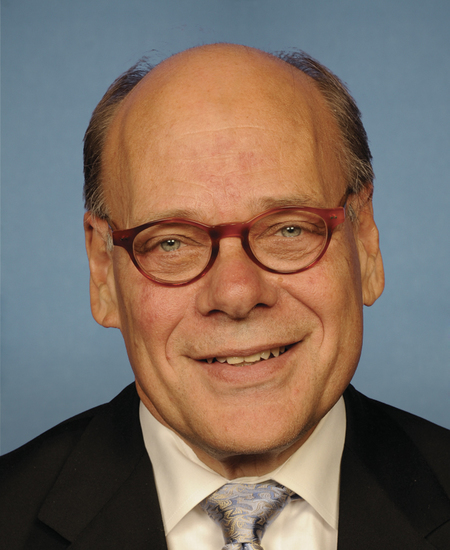
Rep. Steve Cohen
Sponsored bills
Maddy summaryThis bill designates the U.S. Postal Service facility at 300 Macedonia Lane in Knoxville, Tennessee, as the "Reverend Harold Middlebrook Post Office Building." It updates all official references in federal laws, documents, and records to use this new name. The change applies solely to the building's official designation and has no impact on postal services or policies.
Maddy summaryHR 6751 authorizes the U.S. Mint to produce commemorative coins honoring Roberto Clemente, a Hall of Fame baseball player and humanitarian, including 50,000 $5 gold coins, 400,000 $1 silver coins, and 750,000 half-dollar coins. The coins must feature Clemente's image and inscriptions like "Roberto Clemente" and "2027," with all sales including a surcharge ($5-$35 per coin) paid to the Roberto Clemente Foundation. The foundation, which supports youth sports, education, and disaster relief programs, will use these funds for its mission, while the U.S. Treasury must recover all production costs. The coins will be sold exclusively in 2027, with no net cost to the government.
Maddy summaryThe Jeanette Acosta Invest in Women’s Health Act of 2024 would expand access to preventive cancer screenings (including breast, cervical, ovarian, and uterine cancer screenings) for women, with a focus on low-income women, women of color, rural communities, and underserved populations. It authorizes $20 million annually for grants to health care providers - such as family planning centers - to increase screenings and establishes a training program for health care providers on best practices and cultural competency to address racial disparities. The bill also mandates a study analyzing cancer screening rates and disparities by race, income, geography, and insurance status, with reports to Congress every five years. These provisions aim to improve early detection, reduce mortality, and address systemic barriers in women’s cancer care.
Maddy summaryHRES 1603 directs the House Committee on Ethics to preserve all documents related to its investigation of former Representative Matt Gaetz (FL) and publicly release its final report on alleged misconduct. The bill requires the committee to share the report - including findings, recommendations, and proposed disciplinary actions - while anonymizing witness identities and redacting personal information of minors or victims. It specifically references the committee’s November 2024 discussion of allegations involving Gaetz’s conduct during his service (2017-2024), including claims of sexual misconduct, drug use, and misuse of campaign funds. The bill does not alter ethics rules but mandates transparency in the committee’s handling of this specific case.
Maddy summaryThis House resolution supports the goals of World AIDS Day by encouraging efforts to end the HIV epidemic by 2030, aiming for zero new infections, zero discrimination, and zero AIDS-related deaths. It specifically urges sharing of U=U (Undetectable=Untransmittable) information and PrEP (pre-exposure prophylaxis) to prevent transmission, and calls for increased funding for HIV prevention, treatment, and research - particularly for communities disproportionately affected by HIV, such as racial minorities, men who have sex with men, and transgender individuals. The resolution commends existing programs like PEPFAR and the Ryan White CARE Act while advocating for expanded testing, antiretroviral treatment, and comprehensive prevention services, including a National PrEP Program.
Maddy summaryThe Working Dog Commemorative Coin Act (HR 807) directs the U.S. Treasury to mint three types of commemorative coins honoring working dogs' service: $5 gold coins, $1 silver coins, and half-dollar coins with specific weight and composition requirements. Each coin will carry a surcharge ($35 for $5 coins, $10 for $1 coins, $5 for half-dollars) that will be paid directly to America's VetDogs to support their programs providing service dogs for veterans, the disabled, and others. The coins will be issued in 2027 with designs reflecting working dogs' roles in military, detection, therapy, and assistance work. The legislation specifies that all surcharge revenue must fund America's VetDogs' operations without creating new government programs. This is a commemorative measure focused on honoring working dogs' contributions through coin sales, with all surcharge funds going to a specific nonprofit organization.
Maddy summaryThis bill establishes a Truth and Healing Commission to investigate the history and impacts of U.S. Indian Boarding School policies on Native American communities, including cultural, emotional, and physical effects on survivors, descendants, and tribal communities. The Commission will document these impacts through research, public meetings, and testimony, working with two advisory committees focused on Native American perspectives and Federal agency coordination. The Commission will operate for six years, with annual reports to Congress and a final report containing recommendations for Federal action. The bill also includes provisions for managing burial sites related to boarding schools and ensures the Native American Graves Protection and Repatriation Act applies to remains found on Federal lands related to these schools.
Maddy summaryHRES 1584 directs the House Committee on Ethics to preserve all records from its ongoing review of alleged misconduct by former Representative Matt Gaetz of Florida. The resolution requires the committee to publicly release its final report on whether Gaetz violated House ethics rules or laws during his service (2017-2024), including allegations of sexual misconduct, drug use, misuse of campaign funds, and accepting improper gifts. This resolution mandates transparency by ensuring all investigative materials are retained and the committee’s findings are made public. It does not determine guilt or innocence but requires the committee to complete its review and share results with the public. The bill specifically targets the Ethics Committee’s handling of Gaetz’s case, which has been under review since 2021.
Maddy summaryThis bill extends the operating period for the African American Civil Rights Network program from 7 years to 10 years after the act's enactment. It directly affects the existing program, which supports organizations preserving civil rights history and promoting education, by allowing it to continue operating for a longer duration without needing new congressional approval. The change is a straightforward extension of an existing authorization period under federal law.