

Maddy summaryHR 7227, the Mental Health and MAMA Act of 2026, eliminates cost-sharing (like copays or deductibles) for mental health and substance use treatment services during pregnancy and for one year after childbirth. It directly affects pregnant and postpartum individuals covered by group health plans or individual insurance policies, requiring these plans to cover such services with no out-of-pocket costs from pregnancy diagnosis through the 12-month period following birth. The law applies to in-network providers and includes telehealth services, with implementation delayed until two years after enactment. It amends key laws including the Public Health Service Act, ERISA, and the Internal Revenue Code to standardize this coverage requirement across health insurance systems. This policy change aims to improve access to care during a critical health period without altering existing coverage definitions.
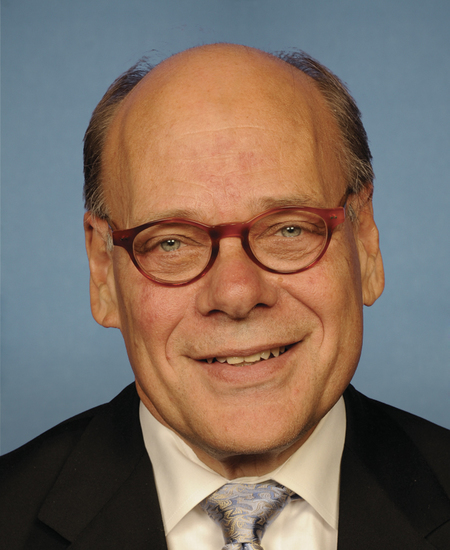
Rep. Steve Cohen
Sponsored bills
Maddy summaryHR 7173, the Follow the Science Act, restricts political appointees from influencing National Institutes of Health (NIH) operations and grant decisions. It prohibits most political appointees (defined broadly as those in policy-making roles) from being employed by NIH or participating in grant reviews, funding selections, or policy implementation. The bill requires the NIH Director to report on past political appointee involvement in these activities to Congress within 30 days of enactment. These changes aim to ensure NIH decisions are based on scientific merit rather than political influence, with limited exceptions for other federal agencies.
Maddy summaryThe PrEP Access Act expands Medicare Part B coverage to include pharmacist-provided HIV prevention services, such as pre-exposure prophylaxis (PrEP) counseling, medication administration, and related testing. It directly affects Medicare beneficiaries (primarily seniors) and pharmacists, allowing pharmacists to bill Medicare for these services under state law. Key provisions set payment at 80% of the lesser of actual charges or 85% of physician rates, and prohibit balance billing for these services. The policy change takes effect January 1, 2027, making PrEP more accessible through pharmacy settings.
Maddy summaryHR 7095 bans the importation of energy products (like refined oil) classified under chapter 27 of the U.S. tariff system if they were produced using crude oil originating from Russia, even if processed outside Russia. This directly affects U.S. importers and companies handling such energy products. The bill amends existing law to prohibit these imports by requiring customs to block shipments tied to Russian crude oil, regardless of where refining occurred. It targets "laundered" Russian oil that might otherwise enter the U.S. market through third-country refineries. The policy change focuses on restricting the flow of Russian energy revenue through import channels.
Maddy summaryHR 7089, the PARK Act, prohibits national parks and wildlife refuges from waiving entrance fees to honor the birthday of a sitting U.S. President, unless that birthday falls on a federal holiday. This policy directly affects all national park units and wildlife refuges that charge entrance fees under federal law. The key provision bans fee waivers specifically for presidential birthdays, maintaining standard fees except when the birthday aligns with a designated federal holiday like Independence Day. The bill makes no changes to other fee waivers or park operations, focusing solely on this specific exception.
Maddy summaryHR 7094 prohibits U.S. exports of petroleum equipment and services to Russia, directly affecting U.S. companies and foreign subsidiaries that supply oil/gas industry tools, software, engineering services, or related technologies to Russian entities. The bill mandates asset freezes and visa bans for violators, including foreign persons involved in such transactions, while exempting medical isotopes (like Carbon-13) and humanitarian aid for food, medicine, or agricultural commodities. Key provisions require the President to block transactions involving U.S. persons or entities, extend sanctions to parent companies for subsidiary violations, and implement regulations within 180 days. This targets energy sector support for Russia without disrupting medical, agricultural, or aid-related operations.
Maddy summaryThe Find It Early Act requires most health insurance plans, Medicare, Medicaid, TRICARE, and VA benefits to cover certain breast cancer screenings without cost-sharing for specific at-risk groups. It affects individuals at increased breast cancer risk (as determined by medical guidelines), those with dense breast tissue (as defined by the American College of Radiology), and others requiring screening due to factors like age, race, ethnicity, or family history. The bill mandates coverage for various screening methods including mammograms, ultrasounds, MRI, and other technologies at frequencies recommended by the National Comprehensive Cancer Network. This requirement takes effect for plan years beginning January 1, 2026, removing financial barriers to early detection.
Maddy summaryHRES 996 is a resolution introduced by multiple House members to impeach Kristi Lynn Arnold Noem, the Secretary of Homeland Security, for alleged violations of law and the Constitution. It outlines three articles of impeachment: obstructing congressional oversight by denying access to detention facilities and withholding funds, violating public trust through warrantless arrests and excessive force (including tear gas on children), and self-dealing by awarding federal contracts to associates without competitive bidding. If approved by the House, this resolution would formally charge Noem, triggering a Senate trial to determine her removal from office. The resolution itself does not enact new policy but initiates the constitutional impeachment process against a sitting Cabinet official.
Maddy summaryHR 926, the Fort Pillow National Battlefield Park Study Act, directs the Secretary of the Interior to conduct a special resource study of Fort Pillow Historic State Park in Tennessee. The study will evaluate the site's national significance and determine if designating it as a National Battlefield Park is suitable and feasible. This bill does not change the park's current status as a state park (established 1971) or its existing National Register and National Historic Landmark designations. The study is prompted by the historical importance of the 1864 Fort Pillow Massacre, particularly its impact on U.S. Colored Troops during the Civil War, as detailed in congressional findings. The bill itself is procedural, focusing solely on authorizing the study to inform potential future designation.
Maddy summaryHR 6271, the Food Bank Emergency Support Act of 2025, appropriates $462.5 million to prevent cuts to food assistance benefits during funding shortfalls or government shutdowns. The funds are specifically designated under the Food and Nutrition Act of 2008 to maintain existing benefit levels for programs like SNAP (Supplemental Nutrition Assistance Program) and food bank commodity distributions. It ensures these services continue without interruption, including barring furloughs for personnel involved in food distribution during emergencies. The bill directly supports food banks, grocery retailers distributing benefits, and millions of low-income households relying on these services. It takes effect as if enacted on September 30, 2025.