

Maddy summaryHR 6088, the *Restoring Food Security for American Families and Farmers Act of 2025*, repeals specific sections (10101-10108) from a prior reconciliation law. This action revives previous provisions related to food security programs that were modified by those repealed sections. The bill directly affects federal food assistance and agricultural support programs by restoring their prior legal framework. It does not create new policies but reverses recent changes to existing food security measures.
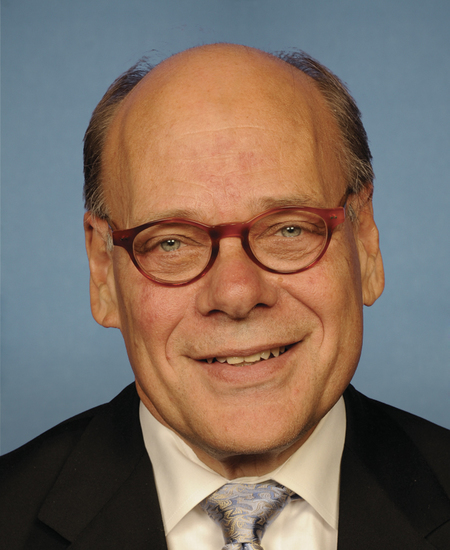
Rep. Steve Cohen
Sponsored bills
Maddy summaryThis bill establishes new standards for transporting livestock across state lines. It prohibits moving livestock deemed "unfit to travel" under specific criteria defined by international animal welfare standards, including animals that are sick, unable to stand, blind, recently giving birth, or in poor health due to weather. The bill requires the Transportation and Agriculture Secretaries to create an inspection system within 180 days to enforce these rules, including checking vehicles and records. It directly affects livestock transport companies, farmers, and ranchers moving animals interstate, with an exception allowing transport for veterinary care. The law aims to prevent suffering during transport by defining clear welfare standards.
Maddy summaryThe MORE Act (HR 5068) would remove cannabis from the federal list of controlled substances, effectively decriminalizing it at the federal level while establishing a new tax on cannabis products. The bill creates an Opportunity Trust Fund that would distribute tax revenues to support communities disproportionately impacted by cannabis prohibition, including funding for expungement programs, job training, and equitable licensing initiatives for minority business owners. It also includes provisions to prevent discrimination based on cannabis use in federal programs, immigration proceedings, and workplace policies. The bill would require federal courts to expunge non-violent cannabis convictions and establish a process for resentencing individuals currently serving time for such offenses. These provisions aim to address racial disparities in cannabis enforcement and create more equitable opportunities in the legal cannabis industry.
Maddy summaryHR 5017, the Greyhound Protection Act of 2025, prohibits commercial greyhound racing, live lure training, open field coursing, and related betting across state lines. It bans activities like using live animals as bait, conducting interstate simulcast betting, and transporting greyhounds for racing purposes. The law amends the Animal Welfare Act to make these actions unlawful, with penalties including fines and up to 7 years in prison per violation. It applies to conduct occurring on or after October 1, 2027, and does not override existing state laws banning these activities. The bill directly affects greyhound racing industry participants and the animals involved in these practices.
Maddy summaryHR 909, the Crime Victims Fund Stabilization Act of 2025, modifies how funds from the False Claims Act are deposited into the Crime Victims Fund. It specifies that from 2025 through 2029, certain False Claims Act proceeds (specifically those for qui tam plaintiff payments and government damage reimbursements) cannot be deposited into the fund. This change directly affects the composition of the Crime Victims Fund by excluding these specific revenue streams during the specified period. The bill does not create new benefits or alter victim services; it only adjusts fund allocation rules for existing False Claims Act revenues.
Maddy summaryThe Affordable CHOICE Act (HR 7023) creates a new public health insurance option to be offered exclusively through state health insurance exchanges starting in 2027. It directly affects consumers purchasing coverage through these exchanges by adding a government-run plan that must offer bronze, silver, and gold coverage tiers. Key provisions require the Secretary to set premiums based on geographic rates (using Medicare reimbursement rates if negotiations with providers fail), collect data to reduce health disparities, and establish provider networks using existing Medicare/Medicaid participating providers unless they opt out. The plan must maintain quality and affordability while operating under the same consumer protections as private plans in the exchanges.
Maddy summaryHR 7016, the "No Funds for NATO Invasion Act," blocks federal funding for any U.S. military invasion of a North Atlantic Treaty Organization (NATO) member country or territory covered by NATO's Article 5 mutual defense clause. The bill prohibits using any federal funds for such invasions and bans U.S. officials from executing these actions. It directly affects U.S. military operations and funding decisions involving NATO members. The law applies to all federal spending, preventing the use of existing budgets for this specific purpose.
Maddy summaryThis concurrent resolution (HCONRES 69) commemorates the 15th anniversary of the January 8, 2011, Tucson shooting that killed six people and injured 13, including former Congresswoman Gabby Giffords. It honors the victims, survivors, and Giffords - now a prominent advocate for gun violence prevention - and recognizes her leadership in promoting civility and reducing gun violence. The resolution also commends Tucson residents and first responders for their resilience and reaffirms Congress’s commitment to respectful dialogue and opposing political violence. As a ceremonial resolution, it does not create new laws or policies.
Maddy summaryHR 2405, the White Oak Resilience Act, establishes a voluntary coalition to coordinate federal, state, tribal, and private efforts for restoring white oak forests across the U.S. It creates pilot projects on public lands (including national forests and Department of the Interior sites), a non-regulatory grant program for landowners, and a strategy to address tree nursery shortages. The bill directly affects private landowners, tribes, state agencies, and federal land managers by providing technical assistance, funding for restoration, and research on white oak resilience. The program includes a 7-year sunset clause and emphasizes science-based restoration without mandating new regulations.
Maddy summaryHR 6968, the *Immersive Technology for the American Workforce Act of 2025*, provides $50 million annually (2026-2035) for federal grants to fund training programs using virtual reality, augmented reality, and similar immersive technologies. The bill directly affects eligible entities like community colleges, industry partnerships, and career schools that create career pathways for workers in high-demand fields, including veterans, individuals with disabilities, and those in rural areas or declining industries. Key provisions require grantees to align programs with state workforce plans, report on participant outcomes, and prioritize partnerships with employers hiring program graduates. The law aims to expand access to tech-enhanced training for economic self-sufficiency, with grants lasting up to 5 years and requiring public sharing of best practices.