

Maddy summaryThis bill gives states the option to restrict Supplemental Nutrition Assistance Program (SNAP) benefits for specific items. States may ban purchases of sugary drinks, candy, ice cream, and prepared desserts like cakes or cookies using SNAP benefits. The Secretary of Agriculture will maintain a list of these restricted items, but states can implement bans without federal approval or additional reporting. This change directly affects SNAP participants in states that choose to adopt such restrictions, altering which food items can be bought with benefits.
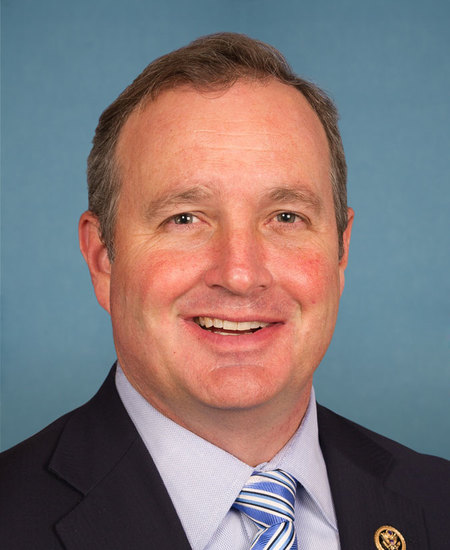
Rep. Jeff Duncan
Sponsored bills
Maddy summaryThis resolution establishes a House task force to investigate the July 13, 2024, attempted assassination of Donald J. Trump in Butler, Pennsylvania. The task force, composed of up to 11 members appointed by the Speaker (with minority leader input), will examine actions by federal, state, local, and private entities related to the incident and must issue a final report with recommendations by December 13, 2024. It has standing committee authority to hold hearings, issue subpoenas, and access relevant records, and will terminate 10 days after submitting its report. The task force directly affects the House of Representatives and the entities under investigation.
Maddy summaryHJRES 165 is a congressional resolution seeking to block a Department of Education rule issued in April 2024 that updated protections against sex discrimination in schools receiving federal funding. The resolution aims to disapprove this specific rule (published as 89 Fed. Reg. 33474), which would have required schools to address sex-based discrimination in educational programs. If passed, the rule would no longer be in effect, meaning schools would not need to comply with its requirements. This resolution directly affects all schools and educational programs receiving federal financial assistance, as it targets the implementation of the new nondiscrimination standard.
Maddy summaryHRES 1378 is a symbolic resolution passed by the U.S. House of Representatives expressing the chamber's stance on the July 13, 2024, attempted assassination of former President Donald Trump. It condemns the attack as an "abhorrent act of cowardice" that must be universally rejected and asserts that political disputes should only be resolved through elections, not violence. The resolution does not create new laws or affect any specific group; it is a non-binding statement intended to promote civility in political discourse. It was introduced by Republican members of Congress and passed without amendment.
Maddy summaryThe SAVE Act (HR 8281) requires U.S. citizens to provide documentary proof of citizenship when registering to vote in federal elections. It defines acceptable proof as documents like passports, REAL ID-compliant IDs, military IDs, or birth certificates, and mandates that states verify citizenship using information from government agencies like DHS and Social Security. States must establish processes for voters without required documentation to provide an attestation under penalty of perjury. The law also requires states to remove noncitizens from voter rolls when verified evidence shows they're not citizens. This bill directly affects all applicants registering to vote in federal elections and state election officials who must implement these requirements.
Maddy summaryHRES 1365 is a non-binding House resolution calling for the immediate termination of Kimberly Cheatle as U.S. Secret Service Director. It directly addresses the Secret Service Director and the executive branch, though it has no legal force to remove her from office. The resolution’s sole provision is a formal request for her termination, reflecting the sponsors' position on her leadership. As a symbolic gesture, it does not change her employment status or require any action from the President or Secret Service.
Maddy summaryThis is a commemorative resolution (HRES 1369) honoring Corey Comperatore, a volunteer firefighter, U.S. Army Reserves veteran, and community leader from Sarver, Pennsylvania, who died on July 13, 2024. The resolution formally mourns his passing and celebrates his life, noting he left behind his wife, Helen, and two daughters, Allyson and Kaylee. It recognizes his service to the Buffalo Township Volunteer Fire Department, his military service, and his role as a devoted member of Cabot Methodist Church. As a ceremonial resolution, it has no policy impact or direct effect on legislation or constituents beyond this formal acknowledgment.
Maddy summaryHR 9034, the Secret Service Accountability Act, would prevent federal funds from being used for the salary or expenses of Secret Service Director Kimberly Cheatle. This bill directly affects the current director by blocking all federal funding for her compensation and related costs. The key provision prohibits any federal money from covering her salary or expenses, regardless of other laws. This is a funding restriction targeting the director's position, not a change to the Secret Service's operations or public policies.
Maddy summaryHJRES 164 is a congressional resolution seeking to block a rule issued by the Department of Commerce regarding firearms license requirements. It directly targets the rule published in the Federal Register (89 Fed. Reg. 34680), which would have revised licensing procedures for firearms dealers. If passed, the resolution would prevent this rule from taking effect by invoking the congressional disapproval process under federal law. The bill does not create new regulations but aims to halt an existing rule affecting gun license applicants and dealers.
Maddy summaryHJRES 182 is a joint resolution that disapproves a rule issued by the Department of Health and Human Services (HHS) regarding placement requirements for LGBTQI+ children in foster care. The rule, published in the Federal Register on April 30, 2024, would have set specific standards for how foster care agencies must place these children. If enacted, this resolution would make the HHS rule unenforceable, blocking its implementation nationwide. The bill directly targets the HHS rule, preventing it from affecting foster care systems and related policies.