

Maddy summaryHRES 1031 is a non-binding House resolution declaring the U.S. southern border situation an "invasion," citing three specific claims: over 8 million migrant crossings since 2021, a 1,000% rise in watchlist entries, and drug-related deaths. It does not create new laws or affect individuals, as resolutions like this only express legislative sentiment. The bill formally states the House's viewpoint through these cited statistics without proposing policy changes. As a symbolic gesture, it has no legal force or impact on border policy.
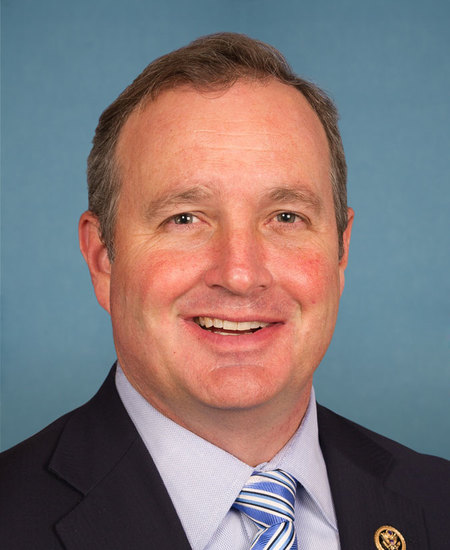
Rep. Jeff Duncan
Sponsored bills
Maddy summaryHR 7455, the Sunset Act of 2024, requires federal agencies to automatically expire significant rules after 10 years unless Congress passes a new law extending them. Agencies must submit reports 180 days before expiration, and Congress can extend rules via joint resolution within 3 legislative days of receiving the report. The bill also mandates annual reviews of 10% of active agency rules for 9 years, with rules not extended by Congress after the 10-year period expiring. It applies to all major agency rules (e.g., environmental or safety regulations) and includes limited presidential exemptions for emergencies, but does not affect existing rules already in effect.
Maddy summaryThis non-binding resolution designates April 5, 2024, as "Barth Syndrome Awareness Day" to raise public awareness about a rare genetic disorder primarily affecting males. It formally supports efforts to improve diagnosis, advance research, and develop treatments for Barth syndrome, which has fewer than 150 diagnosed cases in the U.S. and causes life-threatening heart, muscle, and immune complications. The resolution does not create new laws or funding but recognizes the need for better access to specialized care and regulatory pathways for ultrarare diseases. This symbolic action aims to benefit the small patient community and support the Barth Syndrome Foundation's awareness initiatives.
Maddy summaryHR 7450, the Protecting Privacy in Purchases Act, prohibits payment card networks and covered entities (like payment processors) from requiring or assigning merchant category codes that specifically identify firearms retailers as different from general stores or sporting goods retailers. This directly affects firearms retailers and payment networks by preventing them from using business classification codes that could flag firearm sales. The bill establishes an enforcement process where the Attorney General investigates complaints, issues remediation notices, and can seek court injunctions for non-compliance, while preempting state or local laws on this issue. It does not create private lawsuits for individuals.
This resolution expresses the sense of the House of Representatives regarding the alleged political persecution of, and weaponization of the federal government by the Biden Administration against, Donald Trump.
Maddy summaryHR 7384, the Creating Hope Reauthorization Act of 2024, extends the deadline for issuing priority review vouchers to pharmaceutical companies developing treatments for rare pediatric diseases. The bill amends the Federal Food, Drug, and Cosmetic Act to push the program’s expiration from 2024 to 2028 and adjusts another related deadline to 2030. This directly affects drug manufacturers seeking faster FDA review for new treatments targeting rare childhood illnesses. The extension ensures continued incentives for developing these critical therapies without altering the core voucher mechanism.
Maddy summaryHR 7399, the ACSE Act, would end the American Community Survey (ACS) conducted by the U.S. Census Bureau. The bill prohibits the Census Bureau from carrying out the ACS and blocks all federal funding for the survey or any similar data collection. This directly affects communities, local governments, and researchers who rely on ACS data for planning services, infrastructure, and federal funding allocation. The key provision is a complete termination of the survey and its associated funding.
Maddy summaryThis bill redirects existing federal funds that were previously allocated for the United Nations Relief and Works Agency for Palestine Refugees (UNRWA) to construct a permanent barrier along the U.S. southwest border. It directly affects UNRWA, which provides aid to Palestinian refugees, by halting its current funding stream for border construction. The bill mandates that all unspent funds designated for UNRWA be repurposed for border wall construction and prohibits all future federal funding for UNRWA starting upon enactment. These are concrete policy changes: redirecting specific existing funds and banning all future support.
Maddy summaryHR 4316, the Citizen Ballot Protection Act, amends the National Voter Registration Act to allow states to require mail voter registration applicants to provide proof of U.S. citizenship after federal elections. This change applies specifically to the state mail voter registration form, adding a citizenship verification step that states may implement following federal election cycles. The bill does not alter current in-person registration requirements or the timing of citizenship proof for initial registration. It directly affects voters who submit registration applications by mail for federal offices. The law would take effect upon its enactment.
Maddy summaryThis bill prohibits abortion providers from disposing of fetal remains (including medical waste from abortions) into publicly owned water systems, such as drains or pipes managed by government entities. It applies specifically to individuals performing abortions, not the patients receiving care. Violations could result in fines, up to five years in prison, or both. The law clarifies that patients cannot be held liable for such violations and does not prevent states from enacting stricter disposal requirements.